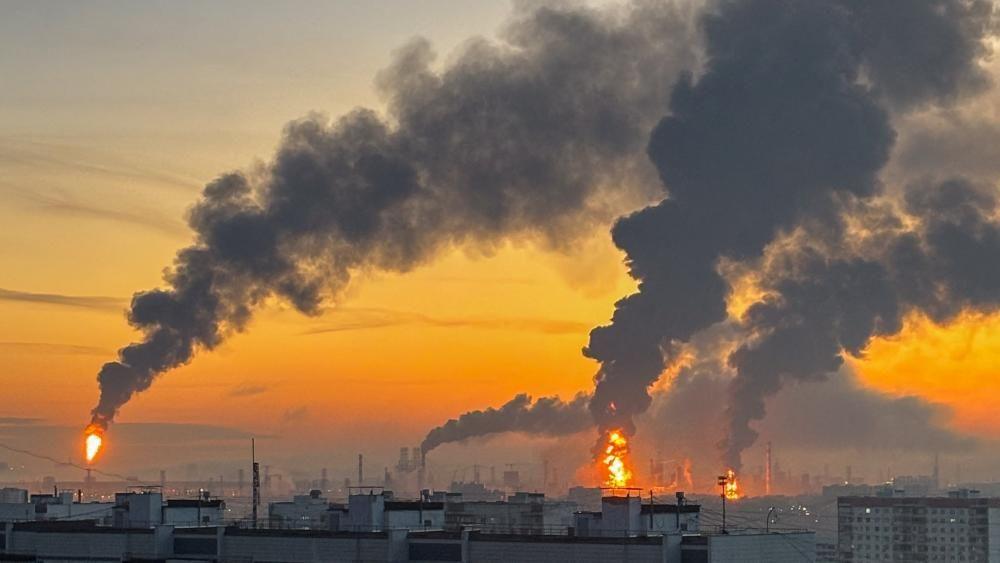
Wildfires: More than 200,000 people flee or lock down as blazes sweep France and Spain
Fast-moving wildfires driven by extreme heat and drought have forced over 200,000 people to evacuate or lock down across France and Spain.

- Core Development: Fast-moving wildfires driven by extreme heat and drought have forced over 200,000 people to evacuate or lock down across France and Spain.
- Beat Context: Categorized under World with independent corroboration.
- Reporting Depth: 3 minute analytical read synthesized from verified newsroom sources.
More than 200,000 people have been forced to flee from their homes or lock down as fast-moving wildfires sweep across France and Spain, according to The Irish Times reporting. The cascading crisis has triggered a national emergency in Spain's Madrid region and forced total evacuations along the French Atlantic coast, as emergency responders battle what officials describe as an unprecedented convergence of extreme heat, drought, and high winds.
The situation escalated rapidly on Saturday as French authorities ordered the evacuation of thousands of residents from suburbs near Bordeaux. Sophie Brocas, head of the local administration of La Nouvelle-Aquitaine et de la Gironde, announced via social media that the areas of Le Haillan, Eysines, and Merignac were being cleared out. French Prime Minister Sebastien Lecornu stated that more than 141,000 people had been evacuated from the Gironde and Landes regions alone. Lecornu characterized the disaster on X by writing that the fires hitting the country have reached a level never seen before, prompting the deployment of the French army to assist exhausted emergency crews.
Media additions
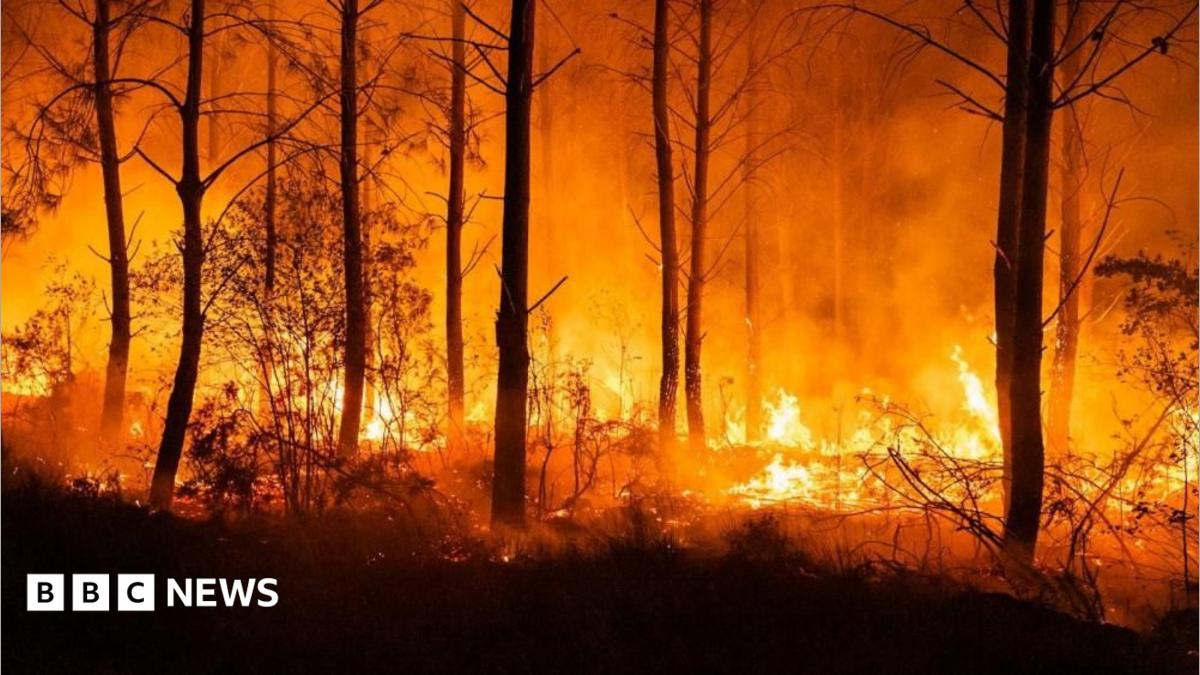
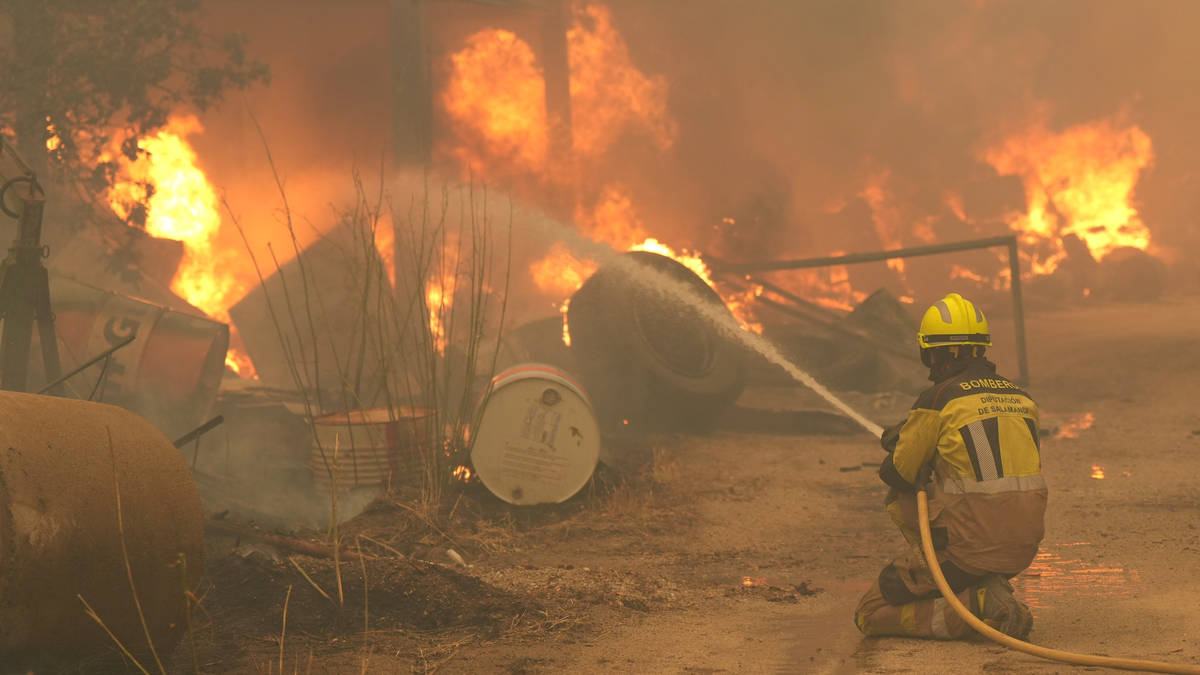
The crisis in south-west France was compounded by an intense, unpredictable wildfire that burned through more than 19,000 hectares of forest and forced the total evacuation by land and sea of the Cap Ferret peninsula. As Lbc reported, the upmarket tourist destination saw thousands flee by boat as flames threatened to sever the only access road. Philippe de Gonneville, the mayor of Lège-Cap Ferret, described the overnight spread as faster than imagined, noting that neither residents nor firefighters had previously witnessed such extreme conditions. A second major blaze near Biscarrosse burned more than 2,500 hectares and led to the evacuation of approximately 31,000 people, accompanied by chaotic scenes as residents and animals fled the encroaching smoke.
Across the border, Spain declared its first national emergency for a wildfire as two large blazes merged outside Madrid and pushed toward a third. Madrid's regional leader, Isabel Díaz Ayuso, described the event as the worst fire in the region's history, pointing to a perfect storm of relentless winds and soaring temperatures. Carlos Novillo, the emergency management chief for the Madrid regional government, warned that the fire had reached its peak and was beyond the capacity of firefighters to extinguish. Defensive measures were instead adopted as the fire advanced toward the municipalities of Robledo de Chavela and Fresnedillas de la Oliva. An estimated 25,000 people were evacuated in the region, while more than 20,000 others were placed under lockdown.
The scale of the devastation has strained local resources in both nations, leading to appeals for international help. French President Emmanuel Macron announced that France had activated the European Union's civil protection mechanism. Reinforcements are arriving from across the continent, including two Croatian aircraft, two Portuguese planes, and two heavy helicopters from the Czech Republic and Slovakia. Spanish authorities similarly requested EU assistance through the same civil protection framework as the state meteorological office warned that severe fire dangers would persist.
Scientists and meteorological agencies emphasize that the current disaster is unfolding against a backdrop of historic climate pressures. Europe is heating at roughly twice the global average rate, and consecutive heatwaves have left vegetation tinder-dry while evaporating soils and waterways.
Investigations into the human triggers behind the blazes are already underway. In Spain, the Guardia Civil arrested one man and placed another under investigation in connection with a forest fire in the Ávila municipality, alleging that the suspects ignored heavy machinery bans and generated sparks. Meanwhile, communities are looking toward long-term adaptations, such as the reintroduction of nimble livestock like the Cachena 'goat-cow' in northwestern Spain to graze on undergrowth and reduce fuel loads.
What to watch next
- Spanish Prime Minister Pedro Sánchez is scheduled to visit the affected emergency coordination zones to oversee relief efforts.
- Emergency services remain on high alert as variable winds threaten to push active fire fronts closer to major metropolitan edges, including the Bordeaux suburbs.
- International aircraft and military units are expected to arrive to bolster ground crews currently operating beyond standard containment capacities.
How significant is this development?
Contribute your assessment to the aggregated reader sentiment ledger.
Frequently Asked Questions
Key questions answered in this reportWhat is the key development in: Wildfires: More than 200,000 people flee or lock down as blazes sweep France and Spain?
Fast-moving wildfires driven by extreme heat and drought have forced over 200,000 people to evacuate or lock down across France and Spain.
Why is this World development significant for the UK?
This report covers critical events in our World beat. Independent reporting monitors related UK statements, regulatory shifts, and public responses as further verified details emerge.
How was this reporting corroborated and verified?
Newsarchy UK compiles and cross-references reporting from primary reporting from irishtimes.com and cross-checked wire reports. All coverage adheres to published editorial standards.
When was this report published?
This briefing was published on July 25, 2026 and is permanently cataloged in the Newsarchy UK World archives.