ACCC to consider mandatory domestic mobile roaming
The ACCC has launched an inquiry into regional mobile coverage that could force telecommunications operators to share their network infrastructure.
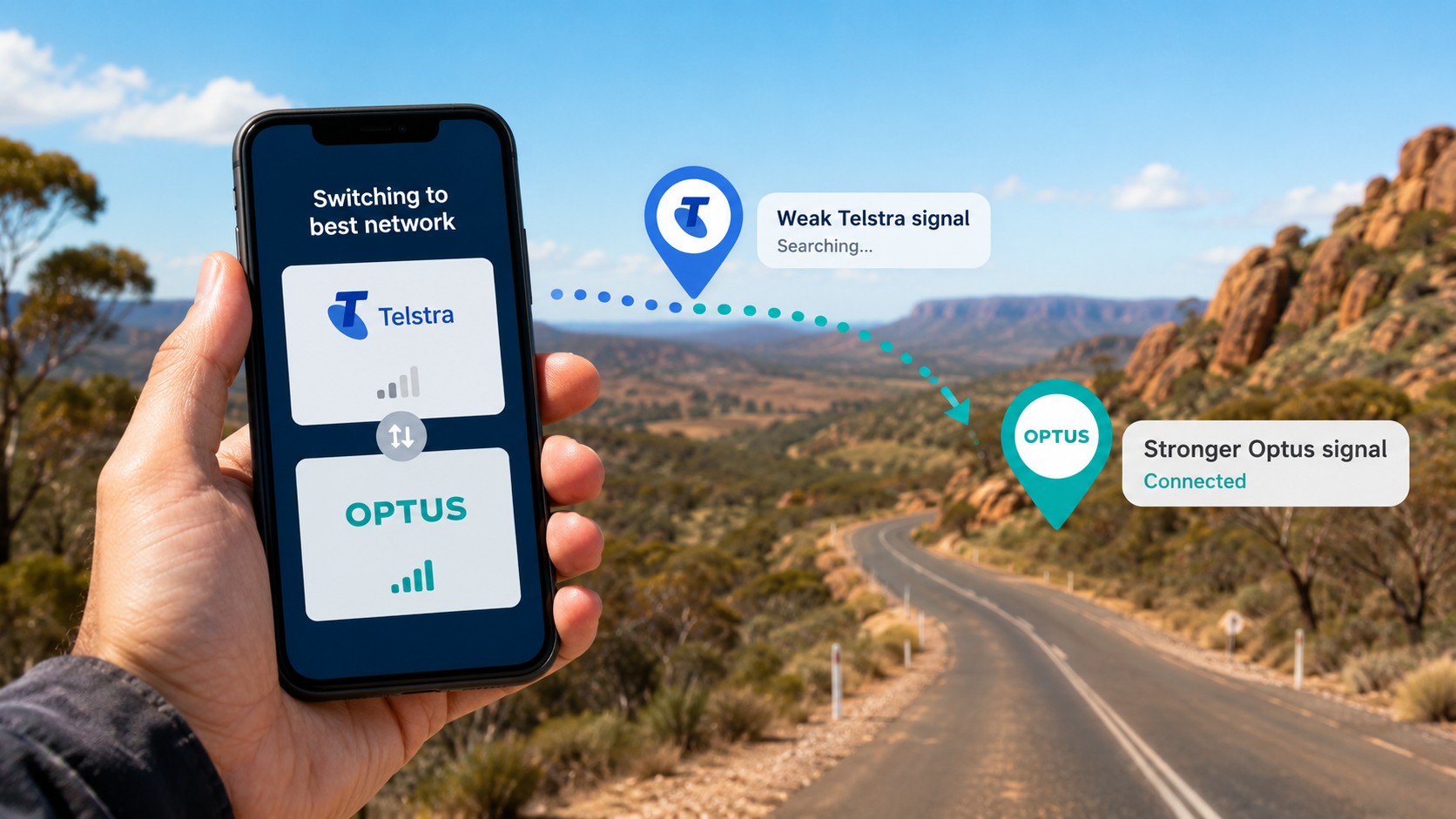
- Core Development: The ACCC has launched an inquiry into regional mobile coverage that could force telecommunications operators to share their network infrastructure.
- Beat Context: Categorized under Business with independent corroboration.
- Reporting Depth: 3 minute analytical read synthesized from verified newsroom sources.
The Australian Competition and Consumer Commission has launched a major inquiry into regional mobile coverage that could force telecommunications operators to share their network infrastructure.
Announced by commissioner Anna Brakey, the review will examine whether to declare wholesale mobile services such as domestic roaming and shared radio access networks. According to Brakey, the regulatory step responds to sustained interest from regional consumers, industry participants, and parliamentary reviews regarding persistent coverage gaps in the bush. Brakey stated that the inquiry provides an opportunity to examine current market conditions and new technologies through a public, evidence-based and consultative process before deciding whether regulation is needed.
Minister for Communications Anika Wells welcomed the review, calling it timely and noting that it will complement the rollout of the Universal Outdoor Mobile Obligation rules.
The debate over forced infrastructure sharing comes amid growing scrutiny of network reliability following high-profile outages. Major disruptions at carriers such as Optus and Telstra have previously cut off payment services, halted trains, and left millions without voice or data access.
Proponents argue that allowing customers to switch automatically between different carriers’ signal towers would bridge connectivity divides. Similar frameworks already operate in other countries, having been established in New Zealand and Canada.
Industry reaction to the competition watchdog's review is sharply divided among the major players.
Telstra maintains strong opposition to compulsory domestic roaming. A company spokesperson argued that generalized competitor access to its network damages long-term outcomes by discouraging investment and risking network congestion and signalling storms. Telstra stated that it opposes mandated domestic roaming where competitors' generalised access is imposed by regulation, citing its preference for the recently finalised temporary disaster roaming framework and commercial arrangements.
By contrast, TPG Telecom welcomed the inquiry. The company previously formed an 11-year multi-operator core network partnership with Optus, exchanging spectrum licences for access to extra mobile network sites. A TPG spokesperson stated that network sharing has helped close the coverage gap between mobile operators and urged that emerging satellite-to-mobile technologies work alongside terrestrial systems without undermining necessary investments.
Optus adopted a more neutral stance, welcoming the inquiry while withholding a definitive position on mandatory infrastructure sharing. A spokesperson for Optus noted that the inquiry provides an opportunity to weigh ongoing investment, innovation, and competition against national digital, economic growth, and security objectives.
Public safety advocates argue that connectivity is too critical to leave entirely to corporate decisions. Carol Bennett, chief executive of the Australian Communications Consumer Action Network, urged Minister for Communications Anika Wells to bypass the competition regulator and immediately mandate domestic roaming on public safety grounds. Bennett noted that many regional and Indigenous consumers routinely lack access to emergency services, describing it as a luxury they do not have much of the time. Bennett argued that because the ACCC is a competition regulator not required to consider public safety in its review, the decision to mandate roaming sits directly with Wells.
The regulatory review will also weigh the impact of new technologies, including direct-to-device low earth orbit satellite services from operators such as SpaceX and Amazon. RMIT University Associate Professor Mark Gregory argued that mandatory roaming remains a cost-efficient method for improving remote and regional performance, pointing out that recent outages highlight an urgent need for such measures.
Meanwhile, broader market shifts continue to reshape the sector. Singtel, the owner of Optus, is exploring a partial sale of the telco, while authorities prepare to auction reallocated radiofrequency spectrum for mobile satellite services.
What to watch next
- The inquiry is expected to run for 12 months, informed by a discussion paper and public forums in regional and remote areas.
- Industry participants and government agencies are currently testing temporary disaster roaming apparatus, which is understood to become operational around October ahead of the upcoming disaster season.
- Universal outdoor mobile obligation rules and spectrum auctions for mobile satellite services are anticipated to roll out later in the year.
How significant is this development?
Contribute your assessment to the aggregated reader sentiment ledger.
Frequently Asked Questions
Key questions answered in this reportWhat is the key development in: ACCC to consider mandatory domestic mobile roaming?
The ACCC has launched an inquiry into regional mobile coverage that could force telecommunications operators to share their network infrastructure.
Why is this Business development significant for the UK?
This report covers critical events in our Business beat. Independent reporting monitors related UK statements, regulatory shifts, and public responses as further verified details emerge.
How was this reporting corroborated and verified?
Newsarchy UK compiles and cross-references reporting from primary reporting from itnews.com.au and cross-checked wire reports. All coverage adheres to published editorial standards.
When was this report published?
This briefing was published on August 5, 2026 and is permanently cataloged in the Newsarchy UK Business archives.