Airservices Australia CEO summoned after Sydney Airport tarmac near-miss
Airservices Australia CEO Rob Sharp faced government scrutiny following a dangerous tarmac near-miss at Sydney Airport that injured a crew member.
- Core Development: Airservices Australia CEO Rob Sharp faced government scrutiny following a dangerous tarmac near-miss at Sydney Airport that injured a crew member.
- Beat Context: Categorized under Business with independent corroboration.
- Reporting Depth: 4 minute analytical read synthesized from verified newsroom sources.
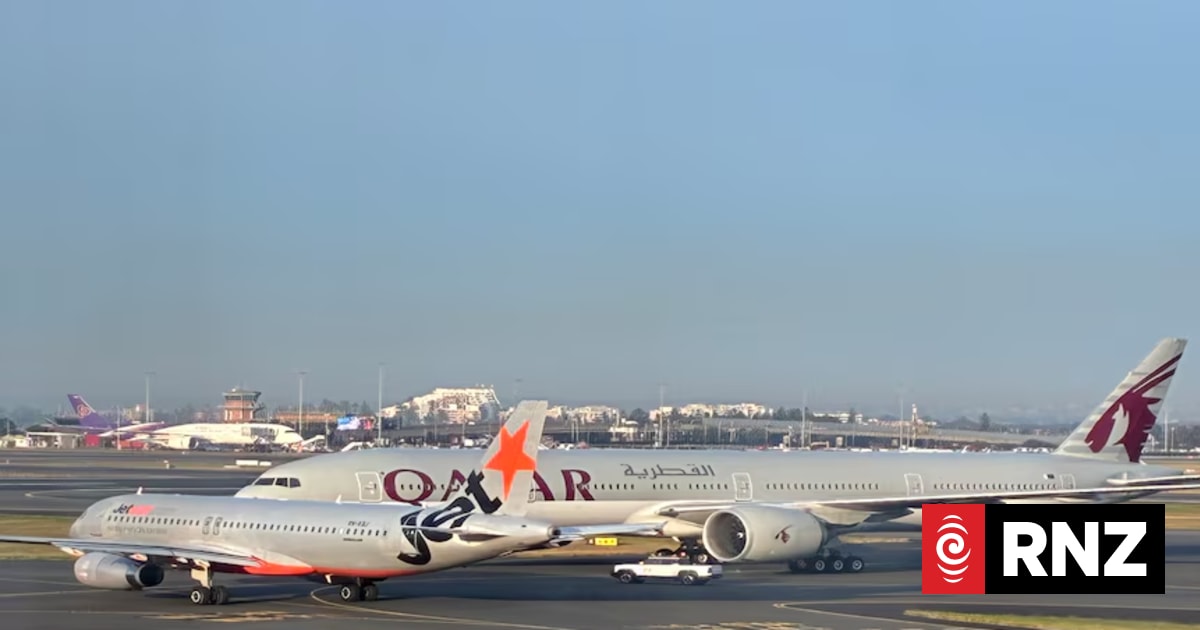
Federal authorities hauled in the chief of Australia’s air traffic control agency following a dangerous near-collision on the tarmac at Sydney Airport that injured a crew member and capped days of cascading flight disruptions. According to primary reporting from Rnz, the emergency meetings in Canberra took place after a Jetstar passenger plane and a Qatar Airways jet came within metres of striking one another on Sunday.
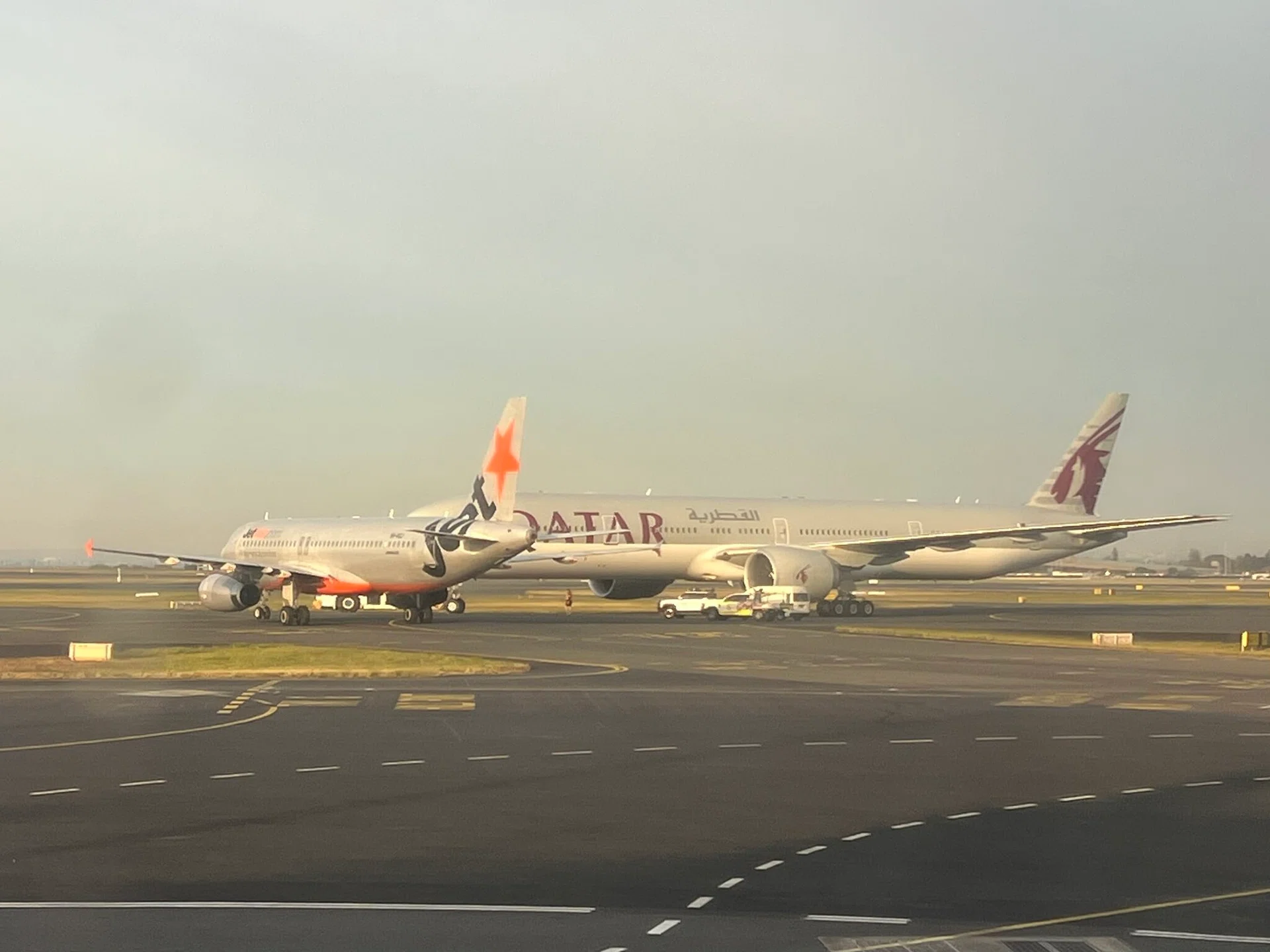
The incident unfolded when Jetstar flight JQ402 was taxiing to the runway to depart for the Gold Coast, following air traffic control instructions. The flight crew suddenly spotted a Qatar Airways Boeing 777 being towed across their path by an aircraft tug. Both vehicles slammed on their brakes, avoiding a crash by mere metres. The abrupt stop injured a Jetstar cabin crew member, who required medical treatment at the scene after falling in the cabin, and caused minor damage to the connection between the Boeing 777's nose gear and the tug. Flightradar24 data indicated the widebody jet was being towed to a remote parking stand near Terminal 2 after landing earlier that morning at Terminal 1.
Media additions


Regulatory pressure and safety probes
Transport Minister Catherine King condemned the chaos, calling the situation unacceptable
after sitting down with Airservices Australia chief executive Rob Sharp. As reported by The Canberra Times, King demanded an explanation from the government-owned body, which manages air traffic across more than 10 per cent of the world's airspace, and ordered the agency to outline a clear pathway for service delivery improvements. The federal minister stated that Airservices needs to do better
in managing airport disruptions.
The Australian Transport Safety Bureau launched an investigation into the tarmac near-miss. Chief Commissioner Angus Mitchell noted that while the collision occurred at low speed, the incident still had the potential to be very significant. Investigators are interviewing flight crews, air traffic controllers, and tug operators, alongside reviewing visual evidence to determine if a communication breakdown or coordination failure occurred between controllers and ground handlers. Both an air traffic controller and a ground worker involved in Sunday's incident have been stood down pending the outcome of the probe, as reported by The Sydney Morning Herald.
Controller burnout and staffing shortages
Sunday's near-miss marks the second time in under a month that aircraft have narrowly avoided a collision at the nation's busiest hub, following a late-July incident involving two Qantas planes. Industry figures attribute the ongoing instability to severe understaffing within the air traffic control tower. Civil Air Australia president Scott Nugent warned that the system relies heavily on excessive overtime—with some frontline workers logging more than twenty extra hours weekly—due to staffing deficits lingering since a mass retirement wave during the COVID pandemic. Nugent pointed out that capacity issues and burnout have made workers stressed and reluctant to cover constant shifts.
Aviation safety specialist Geoff Dell, a former airport operations safety manager for Qantas, explained that understaffing strips vital redundancy from airport operations. Dell noted that managing roughly seventy hourly movements near Sydney Airport's capacity cap of eighty hourly movements becomes akin to managing a complex chessboard when delays accumulate.
In response to the mounting pressure, Airservices Australia implemented Air Traffic Flow Management measures, introducing departure spacing to safely govern airborne and departure demands. The measures contributed to extensive delays affecting thousands of passengers, with over 150 flights disrupted on Saturday. Airservices CEO Rob Sharp issued an apology for the travel delays, assuring the public that safety remains uncompromised despite staffing strains. Sharp and Airservices committed to rolling out improved rostering practices for Sydney controllers.
Timeline of events and operational changes
- Saturday: Airservices Australia enforces departure spacing due to roster issues, causing widespread delays for more than 150 flights.
- Sunday (7:00 AM): A Jetstar Airbus 320 taxiing for the Gold Coast slams on its brakes to avoid a towed Qatar Airways Boeing 777, injuring a cabin attendant.
- Monday: Transport Minister Catherine King holds emergency meetings in Canberra with Airservices CEO Rob Sharp and union representatives.
- Early September: Improved rostering practices for air traffic controllers scheduled to take effect.
Industry leaders continue to demand transparency from the traffic management body. Airlines for Australia and New Zealand chief executive Stephen Beckett asserted that management must provide a credible plan to resolve recurring operational failures. Meanwhile, Australian Travel Industry Association chief executive Dean Long noted that while the broader travel sector successfully restored performance post-pandemic, Airservices continues to struggle. According to sources, further developments depend on the ongoing Australian Transport Safety Bureau probe, with Airservices expected to finalize its updated staff scheduling before the early September rollout.
How significant is this development?
Contribute your assessment to the aggregated reader sentiment ledger.
Frequently Asked Questions
Key questions answered in this reportWhat is the key development in: Airservices Australia CEO summoned after Sydney Airport tarmac near-miss?
Airservices Australia CEO Rob Sharp faced government scrutiny following a dangerous tarmac near-miss at Sydney Airport that injured a crew member.
Why is this Business development significant for the UK?
This report covers critical events in our Business beat. Independent reporting monitors related UK statements, regulatory shifts, and public responses as further verified details emerge.
How was this reporting corroborated and verified?
Newsarchy UK compiles and cross-references reporting from primary reporting from rnz.co.nz and cross-checked wire reports. All coverage adheres to published editorial standards.
When was this report published?
This briefing was published on August 10, 2026 and is permanently cataloged in the Newsarchy UK Business archives.