Andy Burnham poised to succeed where Starmer failed on welfare cuts
Prime Minister Andy Burnham is tackling rising sickness and disability benefit costs as Downing Street prepares for an upcoming review into youth unemployment.

Andy Burnham has set the stage for generational welfare reform by framing benefits as a backstop rather than a starting point, navigating political terrain where his predecessor stumbled. That shift matters now as Downing Street moves to tackle the rising cost of sickness and disability benefits ahead of an upcoming review into youth unemployment, according to Lbc.
When Keir Starmer occupied No 10 Downing Street, attempts to cut the welfare bill triggered fierce backbench rebellions and ministerial infighting. Starmer ultimately resigned after local election losses and mounting pressure over his handling of the economy and party discipline, as Al Jazeera reported. Now, under Burnham’s premiership, Labour MPs who previously opposed cuts are expressing a different attitude. According to reporting from The i Paper, parliamentarians feel more included in the consultation process this time around.
Media additions

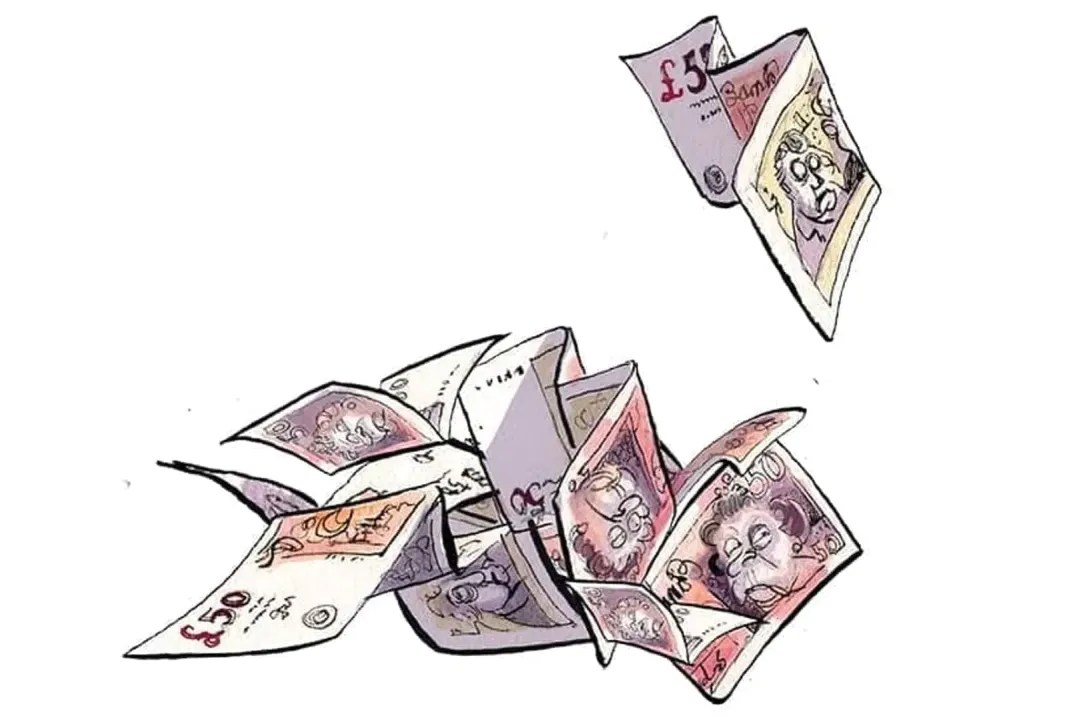

At the center of the impending debate is a forthcoming report on young people not in employment, education, or training, led by former minister Alan Milburn. The review addresses the surging number of individuals aged 16 to 24 claiming out-of-work benefits for long-term sickness and mental health conditions. As detailed by The Spectator, the proportion of young people claiming out-of-work benefits on the basis of long-term sickness climbed from a low of 5.2 per cent in 2018 to reach 9.3 per cent in 2024.
According to LBC, over 205,000 young people aged 16 to 24 receive Personal Independence Payments (PIP) for ADHD or autism, which is more than triple the 2019 figure. Alan Milburn wrote in his interim report, as reported by LBC:
Milburn further noted that the damage done to the life chances of these young people is almost incalculable."A young person first claiming health and disability benefits in 2019 is a third more likely to be NEET 5 years later than those who first claimed in 2010. Today, around seven in 10 young people claiming a health and disability benefit are still claiming a decade later."
Alan Milburn, former minister, via LBC
The political difficulty of welfare reform stems from deep-seated party instincts. As The Spectator notes, a significant proportion of Labour MPs could never bring themselves to vote for a welfare cut because to them it is tantamount to kicking away the crutches of the poor. During Starmer's tenure, his administration tried to reduce the PIP bill by £5bn a year by 2030 by tightening eligibility, but faced a revolt where 49 Labour MPs voted against the government, as reported by the BBC and Al Jazeera. That friction ultimately led to the departure of then-Work and Pensions Secretary Liz Kendall, according to The Spectator.
The broader fiscal picture remains pressing for the government. Working-age sickness and disability benefits stand at around £58bn a year and are projected to rise to £78bn a year by 2030, according to the BBC. Meanwhile, total PIP claimants are forecast to rise from four million to five million by 2030, and the UK NEET rate for the 16–24 age group has risen to the second highest in Europe after Romania, as outlined by the BBC.
| Metric / Category | Previous Figures | Projected / Current Figures |
|---|---|---|
| Working-age sickness & disability benefits cost | Lower post-pandemic levels | Around £58bn a year, projected to reach £78bn by 2030 |
| Total PIP claimants | Historical baseline | Forecast to rise from 4 million to 5 million by 2030 |
| Young people (16–24) claiming PIP for ADHD/autism | Lower historical figures (e.g., 2019 baseline) | More than triple the 2019 figure, exceeding 205,000 |
| UK NEET rate (16–24 age group) | Mid-pack among EU nations in 2015 | Rose to second highest in Europe after Romania |
Despite the historical reluctance of the Parliamentary Labour Party to accept reductions, supporters of the current approach argue that extensive engagement led by Work and Pensions Secretary Pat McFadden and Alan Milburn has changed the dynamic. According to The i Paper, MPs feel they are being taken on a journey rather than presented with arbitrary savings targets.
Meanwhile, opposition figures remain skeptical about whether Burnham can actually deliver structural savings without faltering under parliamentary pressure.
What to watch next
- Publication of Alan Milburn’s final independent report on the NEET crisis.
- The government's formal policy response and proposed legislation regarding under-25 benefit eligibility in the coming weeks.
- Chancellor John Healey's upcoming Budget announcements and departmental spending allocations.