Burnham meets King as he is appointed prime minister
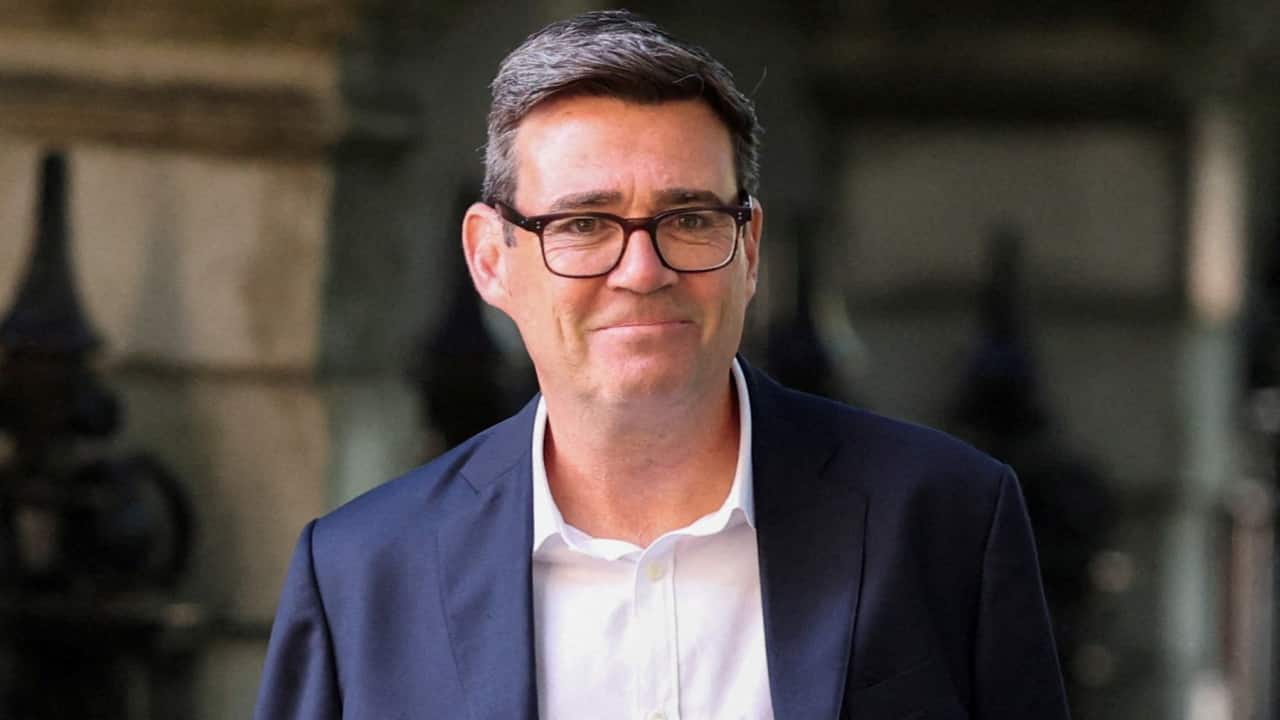
Former Greater Manchester mayor Andy Burnham has officially assumed the role of Prime Minister following Keir Starmer's resignation. He now faces immediate pressure to address the cost-of-living crisis and infrastructure challenges.
- Core Development: Former Greater Manchester mayor Andy Burnham has officially assumed the role of Prime Minister following Keir Starmer's resignation. He now faces immediate pressure to address the cost-of-living crisis and infrastructure challenges.
- Beat Context: Categorized under Business with independent corroboration.
- Reporting Depth: 3 minute analytical read synthesized from verified newsroom sources.
Britain’s political turnover accelerated on Monday, 20 July 2026, when Labour’s Andy Burnham met King Charles III at Buckingham Palace and was formally invited to form a new government. The transition concludes the premiership of Keir Starmer, who tendered his resignation to the monarch earlier in the day.
Starmer’s departure followed a farewell address delivered outside 10 Downing Street. During his remarks, the outgoing prime minister stated his work is done
and expressed pride in his administration’s achievements. Reflecting on his time in office, Starmer said he was leaving confident that Britain was stronger and fairer than it was two years ago.
He further stated that Burnham has my full support.
Media additions
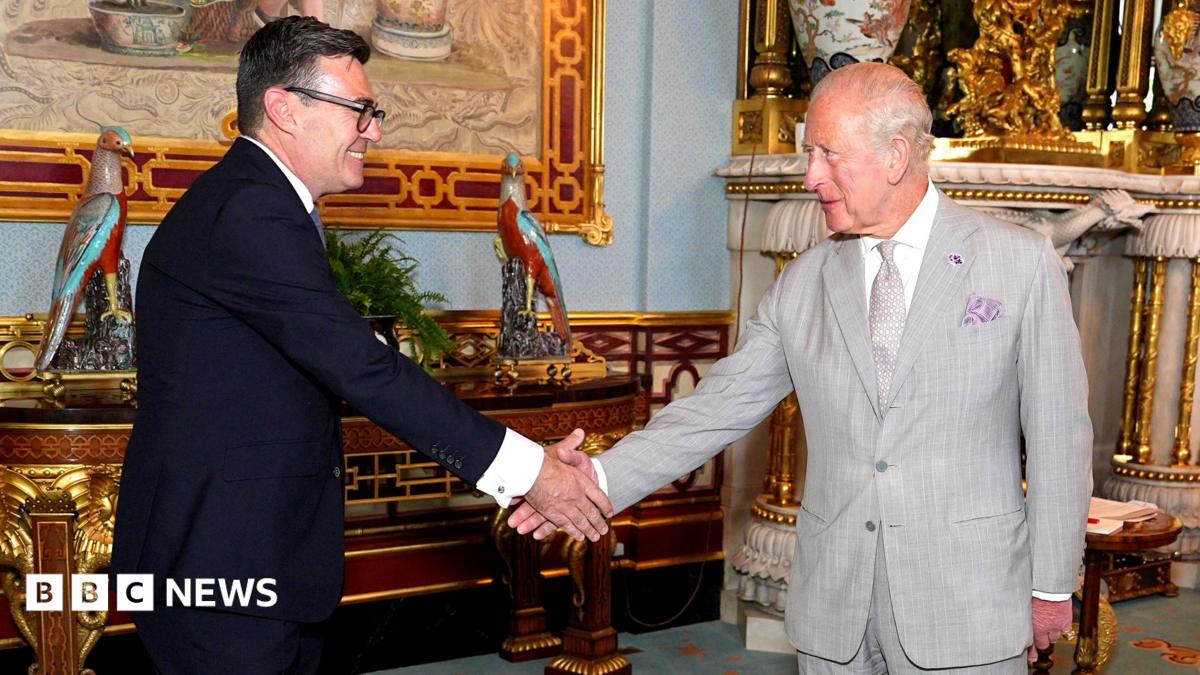
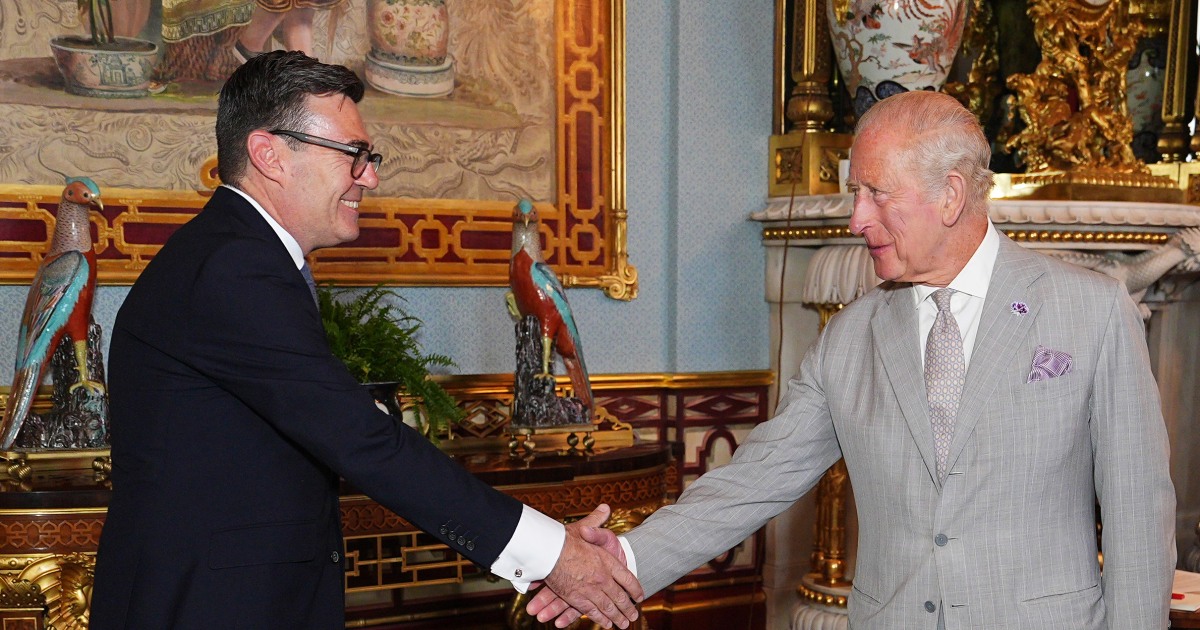
Following the resignation, Burnham traveled to the palace to accept the King’s offer to form a new administration. This ceremonial appointment, traditionally referred to as "kissing hands," legally confirms the prime minister’s status. Buckingham Palace confirmed in a statement that the King received the new leader and requested him to form a government, an offer which Burnham accepted.
The transition is the latest in a decade marked by frequent changes in national leadership. Burnham, the former mayor of Greater Manchester, returns to Westminster following his victory in the Makerfield by-election last month. As the sole candidate for the Labour leadership, he secured nominations from 379 of the party's 403 MPs.
Policy priorities and domestic challenges
The new prime minister enters office with an agenda focused on shifting political and economic priorities. Burnham has pledged to scrap the existing digital ID programme, stating that he intends to focus financial resources and attention on the cost of living. He has also indicated a desire to devolve power away from London to regional authorities, a move he described as a core part of his "reset of priorities."
Economic stability remains a significant concern for the new government. Thames Water currently faces a substantial debt, and reports suggest that Burnham’s administration may consider measures such as temporary nationalisation to resolve the utility’s financial crisis. Additionally, social care reform has been identified as a policy area where the new prime minister intends to expend political capital.
Energy policy has also drawn attention. While Burnham has not confirmed his position, speculation regarding the potential easing of the current moratorium on North Sea oil and gas licences has surfaced. This has led to public commentary from U.S. President Donald Trump, who suggested on social media that such a move could transform the United Kingdom’s economic outlook. Environmental campaigners, however, have cautioned that any move to lift the ban would conflict with Labour’s 2024 manifesto commitments.
Reaction and the road ahead
Political figures have responded to the change in leadership with varied expectations. Liberal Democrat leader Sir Ed Davey has urged Burnham to address the social care crisis through a universal safety net, while Conservative leader Kemi Badenoch has signalled that her party intends to hold the new government to account regarding its welfare and tax policies.
Observers have noted that Burnham faces immediate pressure to demonstrate tangible economic growth. Joshi Herrmann, founder of the news site The Mill, noted that the success of the new administration will depend on its ability to address the lack of growth that has hindered the country.
How significant is this development?
Contribute your assessment to the aggregated reader sentiment ledger.
Frequently Asked Questions
Key questions answered in this reportWhat is the key development in: Burnham meets King as he is appointed prime minister?
Former Greater Manchester mayor Andy Burnham has officially assumed the role of Prime Minister following Keir Starmer's resignation. He now faces immediate pressure to address the cost-of-living crisis and infrastructure challenges.
Why is this Business development significant for the UK?
This report covers critical events in our Business beat. Independent reporting monitors related UK statements, regulatory shifts, and public responses as further verified details emerge.
How was this reporting corroborated and verified?
Newsarchy UK compiles and cross-references reporting from primary reporting from apnews.com and cross-checked wire reports. All coverage adheres to published editorial standards.
When was this report published?
This briefing was published on July 20, 2026 and is permanently cataloged in the Newsarchy UK Business archives.