Asian stocks slip as SK Hynix, Samsung lead chip sell‑off
Asian equity markets slipped after heavy selling in semiconductor giants SK Hynix and Samsung Electronics dragged regional indices lower amid AI valuation concerns.
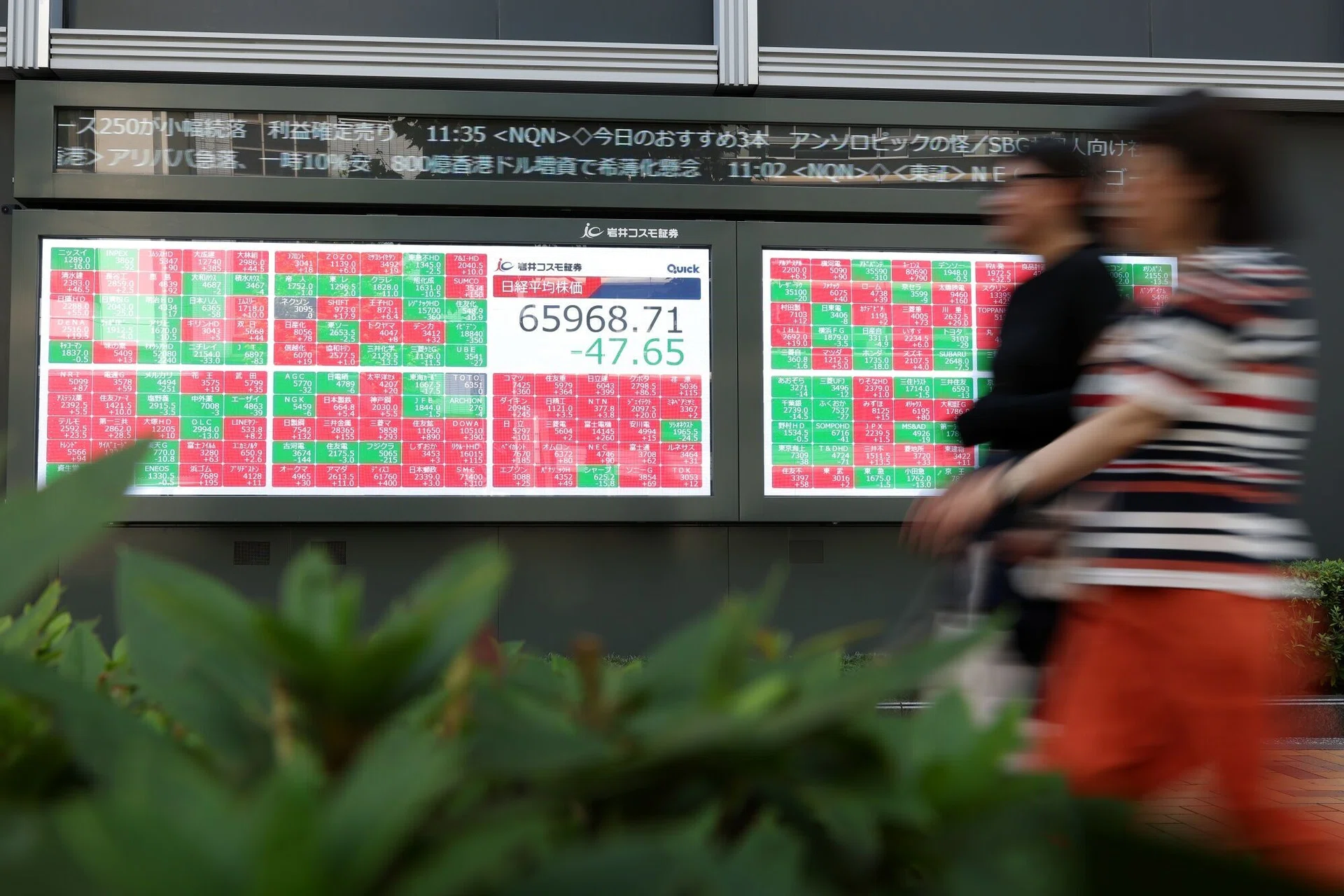
- Core Development: Asian equity markets slipped after heavy selling in semiconductor giants SK Hynix and Samsung Electronics dragged regional indices lower amid AI valuation concerns.
- Beat Context: Categorized under Business with independent corroboration.
- Reporting Depth: 3 minute analytical read synthesized from verified newsroom sources.
On Monday 24 August 2026 Asian equity markets fell after a wave of selling in semiconductor giants dragged regional indices lower and raised fresh questions about the durability of the artificial‑intelligence (AI) rally.
The MSCI Asia‑Pacific index slipped 0.4 per cent, the broadest decline in the region for the session. Chip‑related shares bore the brunt: SK Hynix, Samsung Electronics and Advantest were singled out as the top contributors to the loss.
In Tokyo, the Nikkei 225 futures fell 0.5 per cent while Hong Kong’s Hang Seng futures rose 0.6 per cent, a rare opposite move that reflected the mixed response to the sell‑off. Australia’s S&P/ASX 200 edged up 0.5 per cent, underscoring the uneven impact across the continent.
U.S. Markets mirrored the Asian tension. The Nasdaq composite slipped 0.8 per cent and the S&P 500 fell 0.3 per cent, with Nvidia’s 2.9 per cent drop identified as the heaviest weight on the S&P‑500. Micron Technology and Broadcom also contributed to the downward pressure, tumbling 5.8 per cent and 2.6 per cent respectively. The Globe and Mail noted that tech stocks “led the way downward” as investors worried the AI‑chip frenzy had pushed valuations too high.
“Details about US economic sanctions on Iran, the Treasury’s attempts to lower long‑term yields, and economic data may shape much of the sentiment backdrop,” said Chris Larkin at E*Trade from Morgan Stanley.
Chris Larkin, analyst, via Business Times
“Nvidia and other tech earnings are positioned to be a major weight on the market’s momentum scale,” added Richard Reyle, chief investment officer at Questar Capital Partners, citing the same Business Times report.
Beyond earnings, the broader backdrop includes a tentative easing in Treasury yields. The 10‑year U.S. Treasury yield slipped to 4.70 per cent on Monday, down from 4.74 per cent late Friday, after a surprise Treasury decision to enlarge its buy‑back programme for older securities. The Globe and Mail warned that the move may have limited impact because it does not address the underlying debt and oil‑pressure pressures.
Oil prices fell in tandem, with Brent crude trading around US$90.54 a barrel, a 2.3 per cent drop that helped the Treasury‑yield dip. The commodity’s decline came after U.S. Treasury Secretary Scott Bessent threatened economic punishment for any country doing business with Iran, a stance that also sent the Iranian rial to a record low against the dollar.
Gold rose 0.9 per cent to near US$4,695 an ounce, echoing a five‑day rally that has kept the precious metal in the spotlight as investors seek safe‑haven assets amid the bond‑market turbulence.
For South Korea, the sector shock was especially stark. The Kospi fell 3.1 per cent, a move the Globe and Mail linked to the twin AI powerhouses Samsung Electronics and SK Hynix, which dominate the market’s exposure to AI chips.
What to watch next
- 26 August – Nvidia earnings: The company’s quarterly results will be a litmus test for AI‑chip demand and pricing.
- 30 August – Fed Chair Warsh’s Jackson Hole speech: Markets will listen for clues on the trajectory of interest rates amid still‑elevated Treasury yields.
- Potential policy shifts: Any follow‑up from Treasury Secretary Bessent on bond‑buybacks could affect long‑term yields.
- Geopolitical developments: Further U.S. Sanctions on Iran or movement in oil markets may sway sentiment in the coming week.
The confluence of chip‑stock pressure, Treasury‑yield uncertainty, and upcoming high‑profile earnings and policy speeches creates a tightly packed week for investors.
How significant is this development?
Contribute your assessment to the aggregated reader sentiment ledger.
Frequently Asked Questions
Key questions answered in this reportWhat is the key development in: Asian stocks slip as SK Hynix, Samsung lead chip sell‑off?
Asian equity markets slipped after heavy selling in semiconductor giants SK Hynix and Samsung Electronics dragged regional indices lower amid AI valuation concerns.
Why is this Business development significant for the UK?
This report covers critical events in our Business beat. Independent reporting monitors related UK statements, regulatory shifts, and public responses as further verified details emerge.
How was this reporting corroborated and verified?
Newsarchy UK compiles and cross-references reporting from primary reporting from businesstimes.com.sg and cross-checked wire reports. All coverage adheres to published editorial standards.
When was this report published?
This briefing was published on August 25, 2026 and is permanently cataloged in the Newsarchy UK Business archives.