Shipping traffic at key Gulf waterways little changed on uncertain US-Iran peace talks
Maritime traffic through key Middle Eastern straits remained subdued amid conflicting diplomatic signals between Washington and Tehran, influencing global markets.

- Core Development: Maritime traffic through key Middle Eastern straits remained subdued amid conflicting diplomatic signals between Washington and Tehran, influencing global markets.
- Beat Context: Categorized under World with independent corroboration.
- Reporting Depth: 4 minute analytical read synthesized from verified newsroom sources.
Shipping traffic through critical Middle Eastern maritime routes remained largely subdued and virtually unchanged at the start of the week, reflecting deep uncertainty surrounding diplomatic efforts, according to Business Times reporting.
According to Kpler shipping data cited by Business Times, passage through the Bab el-Mandeb strait held steady on Monday, Aug 3, with twenty vessels—comprising 12 tankers and eight bulk carriers—navigating the corridor. Of those crossings, 12 were exits and eight were entries, with most vessels keeping their transponders active.
Media additions
Conversely, traffic through the Strait of Hormuz slipped slightly, falling to six transits on Monday compared to the previous day's tally, based on the same shipping metrics. That total included three tankers and three bulk carriers making five entries and one exit via the Iranian shipping route. Analysts note that additional vessels may be navigating the area with their transponders turned off, rendering them uncounted in standard tracking data.
The cautious shipping sentiment stems directly from ongoing security concerns and the lingering threat of vessel attacks. Some Saudi-flagged supertankers have altered their routes in the Gulf of Aden, diverting toward southern Africa amid explicit threats from Yemen's Houthi movement directed at Saudi shipping.
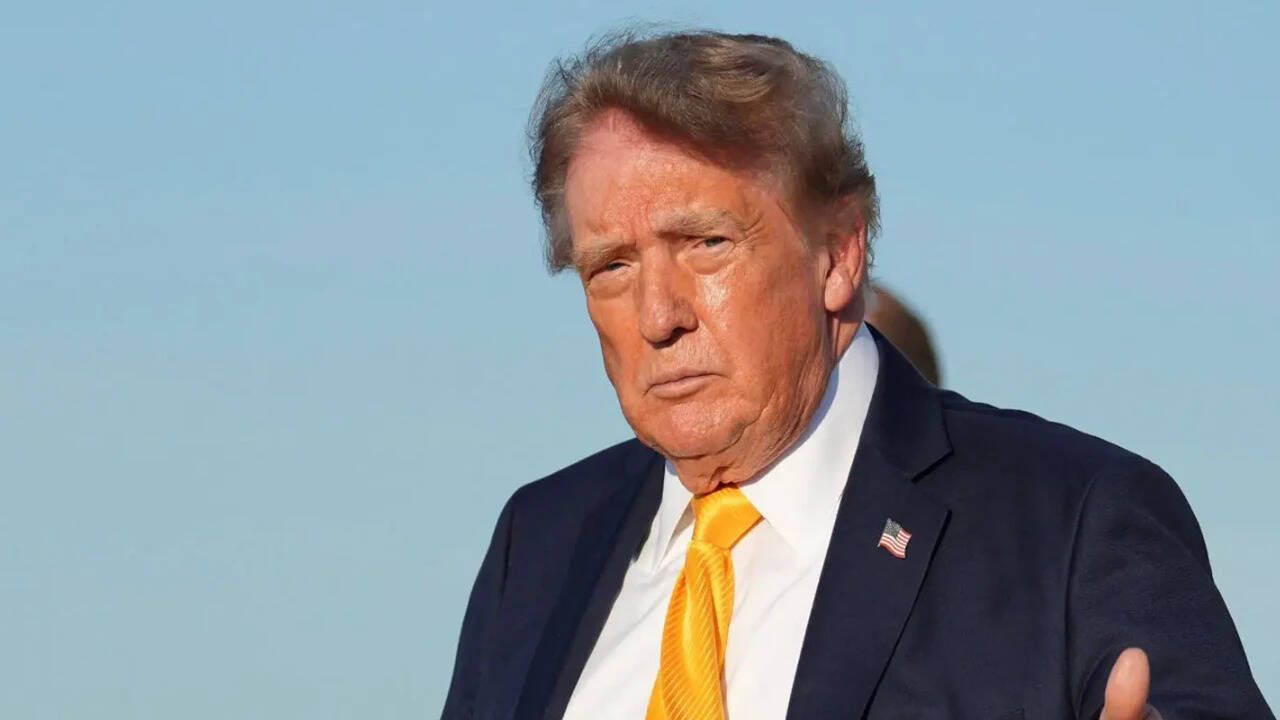
Geopolitical tensions that escalated last week somewhat subsided this week, but the lack of positive developments toward lasting peace and the absence of clear signals from Tehran continue to fuel investor fears, as highlighted by Anadolu Agency. US President Donald Trump told members of the press that negotiations with Tehran resumed on Tuesday and were ongoing, noting that Iran had made contradictory statements about the talks.
Trump disclosed that Washington is conducting talks with Tehran with support from Saudi Arabia, the United Arab Emirates, Qatar, and other countries, warning that it is the last chance to make a good deal. Trump said he had prepared to launch one of the largest attacks since the Second World War unless Gulf countries called on him to stop, adding that he decided to halt the attacks after the countries facilitating the talks contacted him by phone.
Contradicting Washington's assessment, Iran's Foreign Ministry spokesman Esmail Baghaei asserted on Monday that no negotiations with the United States were taking place and that no meetings were scheduled. This mixed messaging has fueled ongoing uncertainty, keeping investor anxiety high even as geopolitical tensions have superficially subsided from previous peaks.
Market Reactions and Broader Economic Data
The lack of concrete results from Middle Eastern diplomacy has directly influenced global economic indicators. Oil prices have begun to climb as constrained tanker traffic through the Strait of Hormuz complicates monetary policy expectations. October-delivery Brent crude climbed 1.5% to $85 a barrel, while gold opened Tuesday up 0.2% at $4,062 per ounce.
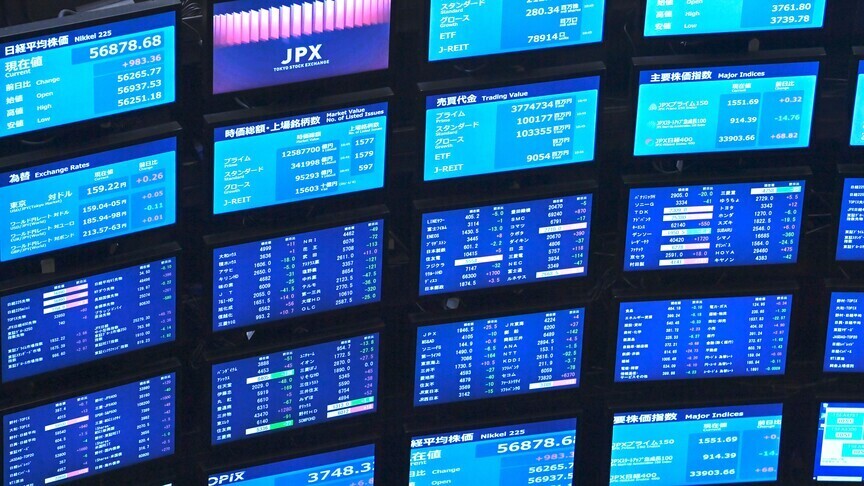
Global financial markets traded on a mixed trend despite ongoing peace talks in the Middle East, as expectations of a new conflict erupting in the region due to a lack of concrete results from the dialogue are fueling uncertainty. In the United States, major indexes closed higher on Monday, with the S&P 500 rising 1.48%, the Nasdaq climbing 2.13%, and the Dow Jones Industrial Average gaining 1.32% to a record high, buoyed by positive earnings from corporate entities such as Palantir.
Meanwhile, European stock markets also traded higher on Tuesday, except in the UK, aided by eurozone manufacturing Purchasing Managers' Index data showing growth. The eurozone's manufacturing PMI rose to 51.9 in July, marking its fastest increase in the past four and a half years. Conversely, the UK's manufacturing PMI fell to 51.9 in the same period, down from 52.5 in June, representing its lowest level in the past four months, while the UK's FTSE 100 fell 0.1%.
Asian equity markets experienced a largely bearish trend, weighed down by valuation concerns in the technology sector and regional economic uncertainty. The Japanese yen reached its highest level against the US dollar in nearly three months on Monday following joint intervention by Washington and Tokyo, with the US dollar-Japanese yen exchange rate falling to 155.2 on Monday before trading up 0.3% at 157.6 at the start of Tuesday.
In other regional developments, European Commission President Ursula von der Leyen praised the efforts by Madrid and Rabat to ensure the swift return of undocumented migrants attempting to cross from Morocco into the North African Spanish territory of Ceuta, stating that the two administrations prevented potential illegal crossings into mainland Spain and the rest of Europe.
What to Watch Next
- Upcoming nonfarm payrolls data due on Friday will heavily influence whether the Federal Reserve implements anticipated interest rate hikes by year-end, following a Fed rate maintenance decision where three members voted for a rate hike.
- Further corporate earnings announcements, including financial results from SpaceX and AMD scheduled for Tuesday, will continue to test investor risk appetite on Wall Street.
- Any official clarification or verifiable shifts in the diplomatic posture between Washington and Tehran regarding the Strait of Hormuz will dictate immediate energy market movements.
How significant is this development?
Contribute your assessment to the aggregated reader sentiment ledger.
Frequently Asked Questions
Key questions answered in this reportWhat is the key development in: Shipping traffic at key Gulf waterways little changed on uncertain US-Iran peace talks?
Maritime traffic through key Middle Eastern straits remained subdued amid conflicting diplomatic signals between Washington and Tehran, influencing global markets.
Why is this World development significant for the UK?
This report covers critical events in our World beat. Independent reporting monitors related UK statements, regulatory shifts, and public responses as further verified details emerge.
How was this reporting corroborated and verified?
Newsarchy UK compiles and cross-references reporting from primary reporting from aa.com.tr and cross-checked wire reports. All coverage adheres to published editorial standards.
When was this report published?
This briefing was published on August 5, 2026 and is permanently cataloged in the Newsarchy UK World archives.