Modi praises UPI's decade of growth as digital payments milestone
Modi praises UPI's decade of growth as digital payments milestone
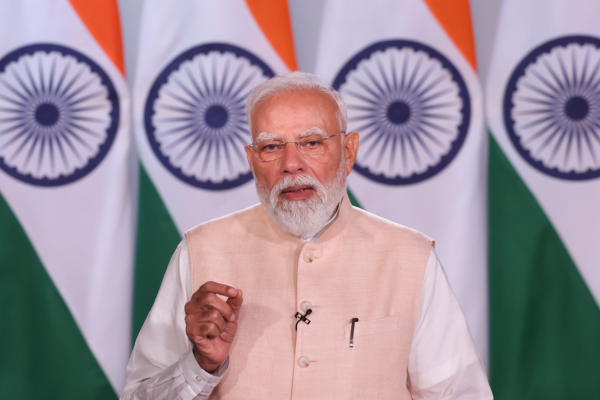
- Core Development: Modi praises UPI's decade of growth as digital payments milestone
- Beat Context: Categorized under Business with independent corroboration.
- Reporting Depth: 3 minute analytical read synthesized from verified newsroom sources.
India’s flagship digital‑payments platform marked its tenth anniversary on 25 August, and Prime Minister Narendra Modi used the occasion to underline why the milestone matters for a country that is racing toward a cash‑free economy. In a post on X, Modi called the “scale and reach” of the Unified Payments Interface (UPI) a source of national pride and urged citizens to share how the system has reshaped their daily transactions.
The message landed at a critical juncture. The Finance Ministry’s latest figures show annual UPI transactions soaring from 1.78 crore in the 2016‑17 fiscal year to more than 24,162 crore in 2025‑26. Transaction value climbed from Rs 0.07 lakh crore to around Rs 314 lakh crore over the same span. Those numbers translate into a “13,000‑fold” surge in volume, according to the Ministry’s data cited by both NKTV and Hindusthan Samachar.
Media additions


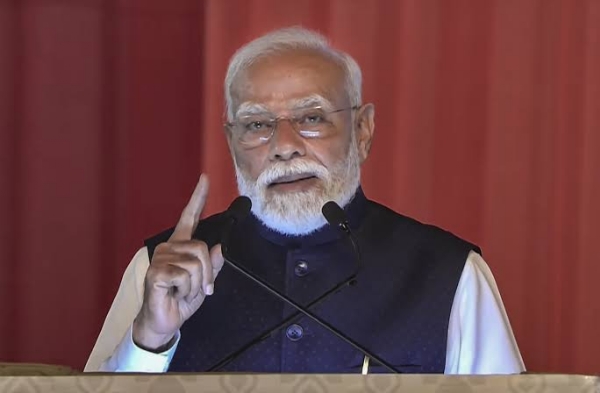
Why does the growth now command attention? First, UPI now processes nearly half of all global real‑time payment transactions, a share the ministry says reached 49 percent in 2024. The International Monetary Fund has highlighted India’s “remarkable progress in retail digital payments”, suggesting the platform is reshaping not just domestic commerce but the country’s position in the worldwide payments arena.
Second, the platform has crossed borders. Operative in eleven countries — including Greece, the Maldives, Bhutan, Nepal, Singapore, the United Arab Emirates, France, Sri Lanka, Mauritius and Qatar — UPI is emerging as a cornerstone of India’s Digital Public Infrastructure export strategy. The outreach is confirmed by the Ministry of Finance and reiterated by Union Home Minister Amit Shah, who framed UPI as a showcase of what “innovation and the Digital India initiative can achieve”.
Third, the ecosystem is expanding its functional depth. In 2025 the system introduced on‑device authentication, letting users approve payments via fingerprint or face‑unlock. Aadhaar‑based face authentication was added to simplify PIN onboarding for first‑time users and senior citizens. These features, detailed in the Hindusthan Samachar report, aim to broaden inclusion and tighten security, two pillars that have underpinned UPI’s rapid adoption.
Behind the headline figures lies a network of 741 live banks as of July 2026. In that month alone, the platform handled 2,365.8 crore transactions worth Rs 29.87 lakh crore. Such velocity underscores the platform’s role as a “major component of India’s digital payments ecosystem”, a description offered by the National Payments Corporation of India (NPCI), the entity that built UPI.
Key milestones in UPI’s first decade
- 2016 – Launch: UPI introduced as a real‑time, interoperable payments platform under the Digital India programme.
- 2017 – First year: 1.78 crore annual transactions, Rs 0.07 lakh crore in value.
- 2025‑26 – Scale: 24,162 crore annual transactions; Rs 314 lakh crore in value; 741 participating banks.
- 2026 – International footprint: Operational in 11 countries, latest additions Greece and the Maldives.
The celebration comes at a time when the BJP is gearing up for “Seva Sankalp Abhiyan”, a month‑long outreach effort beginning in September. While the campaign focuses on broader public‑service themes, Modi’s invitation to “share your UPI experience” dovetails with the party’s push to highlight technology‑driven development as a cornerstone of its agenda.
For businesses, the takeaway is clear: a payment infrastructure that processes nearly half of the world’s real‑time transactions offers a fertile ground for fintech innovation, cross‑border commerce, and data‑driven services. As the platform continues to add security layers and expand geographically, companies that embed UPI into their payment flows stand to benefit from a system that is both trusted by consumers and championed by the highest levels of government.
How significant is this development?
Contribute your assessment to the aggregated reader sentiment ledger.
Frequently Asked Questions
Key questions answered in this reportWhat is the key development in: Modi praises UPI's decade of growth as digital payments milestone?
Modi praises UPI's decade of growth as digital payments milestone
Why is this Business development significant for the UK?
This report covers critical events in our Business beat. Independent reporting monitors related UK statements, regulatory shifts, and public responses as further verified details emerge.
How was this reporting corroborated and verified?
Newsarchy UK compiles and cross-references reporting from primary reporting from economictimes.indiatimes.com and cross-checked wire reports. All coverage adheres to published editorial standards.
When was this report published?
This briefing was published on August 25, 2026 and is permanently cataloged in the Newsarchy UK Business archives.