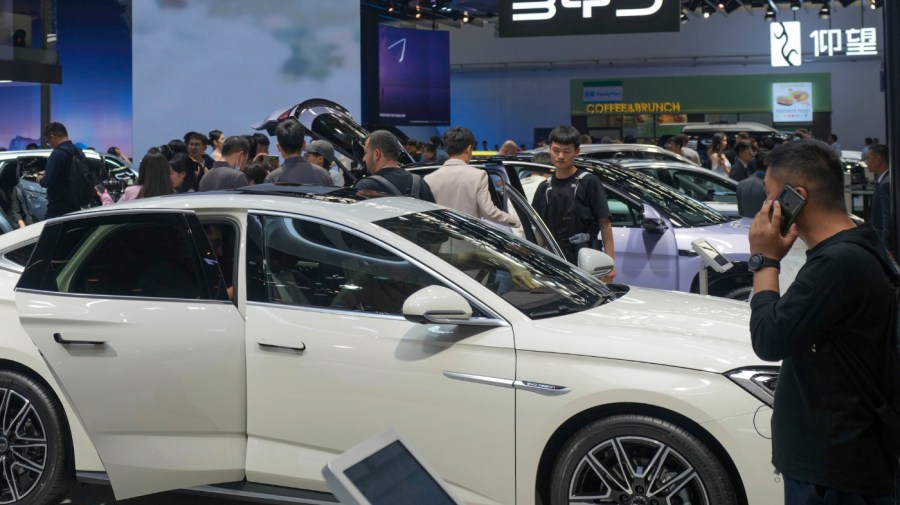
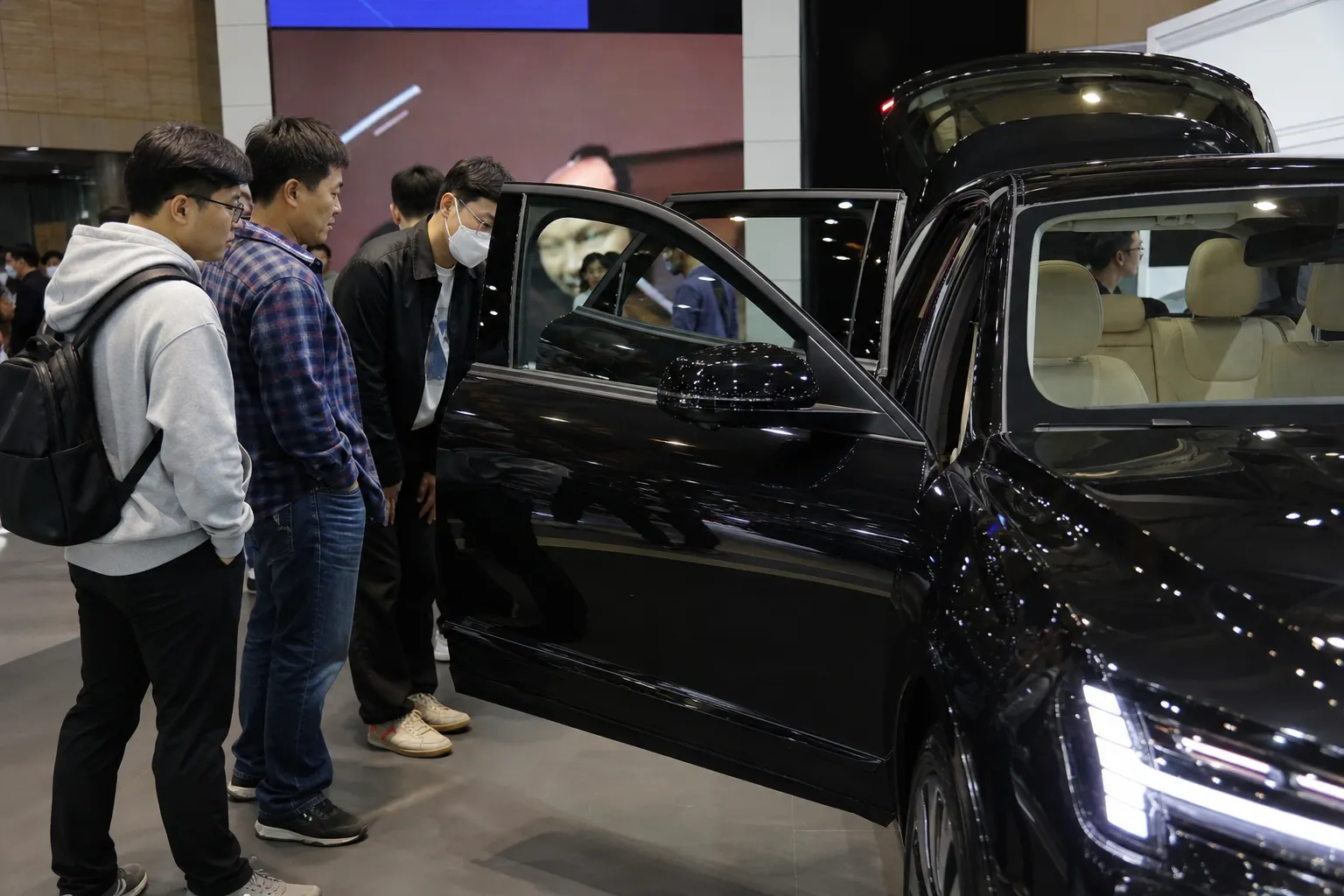
At the close of the 119th Congress, the Alliance for Automotive Innovation (AAI) is pressing lawmakers to enact a permanent ban on the sale, import and manufacture of Chinese‑connected vehicles, hardware and software before the session ends on Jan. 3. The appeal arrives amid a wave of bipartisan legislation that seeks to lock in an executive order from early 2025 that already bars vehicles with Chinese communications technology.
"Right now, Chinese automakers are dumping subsidized vehicles with connected software and hardware around the world. This hasn't happened inside the U.S. yet, but given the scale and urgency of this threat, we urge you to enact a Chinese vehicle, software and hardware ban before adjourning this year and make this policy the law of the land."
Media additions
Image via aol.comImage via CNBCImage via UA.NEWS
John Bozzella, CEO, Alliance for Automotive Innovation, via Yahoo Finance
The Thursday‑dated letter was addressed to Senate Majority Leader John Thune (R‑SD), Senate Minority Leader Chuck Schumer (D‑NY), Speaker Mike Johnson (R‑LA) and House Minority Leader Hakeem Jeffries (D‑NY). In the missive Bozzella described China’s auto sector as “rooted in a well‑documented pattern of unfair trade, subsidies, intellectual‑property theft and surveillance” and warned that Chinese‑made vehicles could undercut U.S. Producers while feeding “sensitive vehicle and consumer data to the Chinese Communist Party.”
Legislative backdrop
The push follows a July vote by the Senate Commerce, Science and Transportation Committee that approved a bipartisan bill targeting firms with “more than 15 percent Chinese ownership.” Under that threshold, Mercedes‑Benz would be barred from U.S. Sales because Chinese investors own “nearly 20 percent” of the German marque, a point highlighted in both the CBS News and CNBC coverage.
In the House, Rep. John Moolenaar (R‑MI) and Rep. Debbie Dingell (D‑MI) introduced the “Connected Vehicle Security Act of 2026,” which lists 72 co‑sponsors from across the aisle. The Senate counterpart, championed by Sen. Bernie Moreno (R‑OH) and Sen. Elissa Slotkin (D‑MI), mirrors the House language and adds the ownership threshold.
Both bills would translate the Biden administration’s Jan. 2025 executive order — originally aimed at vehicles with Chinese software — into permanent law and add enforcement mechanisms, according to the Aol report.
Industry concerns
AAI members, including General Motors, Ford, Toyota, Volkswagen, Hyundai, Honda, Stellantis and Mercedes‑Benz, argue that Chinese firms such as BYD, Geely and Chery are “saturating global markets” with lower‑cost models. CBS notes that BYD is “exporting more low‑cost vehicles worldwide,” while the Autoweek piece adds that these rivals are gaining footholds in Europe, Central and South America, Southeast Asia and Australia.
Honda’s effort to save 1.5 trillion yen by 2030 was cited as a concrete response to price pressure from Chinese EV makers.
“Chinese smart vehicles present a clear national security threat.”
John Moolenaar, Rep., via Autoweek
Beyond cost, Bozzella and the alliance stress that modern vehicles collect “large amounts of data through cameras, sensors and software systems,” creating a potential espionage vector if Chinese companies control the technology. The CBS story repeats that such data could be transmitted to the Chinese government.
Political timing
The alliance flags the November 2026 midterm elections as a possible inflection point for congressional momentum. BigGo Finance notes that AAI is urging a “year‑end” vote to lock the policy in place before the electoral cycle reshapes the House and Senate.
According to CNBC, the letter also emphasizes that the Alliance wants to work with lawmakers to “achieve a balanced policy so all our member companies continue to succeed and thrive inside the U.S.” That language signals an attempt to safeguard members like Mercedes‑Benz from being caught in a blanket ban.
Opposing view
The Chinese embassy in Washington responded by urging the United States to “stop overstretching the concept of national security,” a criticism echoed in both the Autoweek and Car and Driver coverage.
What comes next
Both chambers still need to pass the respective bills and reconcile any differences before the Jan. 3 adjournment. The Senate version must clear the full Senate, while the House bill requires a majority vote on the floor. If enacted, the law would define “high‑risk” hardware and software, set compliance deadlines for manufacturers and outline penalties for violations.
Key questions that legislators will face include whether Chinese subsidiaries that build vehicles in North America fall under the ownership threshold, and how enforcement agencies will monitor software provenance in an increasingly global supply chain. The alliance has signaled that it will continue to lobby on those details, positioning the ban as a national‑security response to what it calls “China’s strategy to dominate global automotive manufacturing.”
READER INTELLIGENCE PULSE
How significant is this development?
Contribute your assessment to the aggregated reader sentiment ledger.
Click an option to register your anonymous assessment.
Frequently Asked Questions
Key questions answered in this report
What is the key development in: Automakers' alliance urges Congress to permanently ban Chinese vehicles?
Automakers' alliance urges Congress to permanently ban Chinese vehicles
Why is this Business development significant for the UK?
This report covers critical events in our Business beat. Independent reporting monitors related UK statements, regulatory shifts, and public responses as further verified details emerge.
How was this reporting corroborated and verified?
Newsarchy UK compiles and cross-references reporting from primary reporting from aol.com and cross-checked wire reports. All coverage adheres to published editorial standards.
When was this report published?
This briefing was published on September 4, 2026 and is permanently cataloged in the Newsarchy UK Business archives.