CSLR faces $170m shortfall as First Guardian, Shield claims surge
A surge in claims from the collapse of the First Guardian and Shield super funds has created a $170 million funding gap for the Compensation Scheme of Last Resort. Government officials are considering widening the industry levy base to address the shortfall.
- Core Development: A surge in claims from the collapse of the First Guardian and Shield super funds has created a $170 million funding gap for the Compensation Scheme of Last Resort. Government officials are considering widening the industry levy base to address the shortfall.
- Beat Context: Categorized under Business with independent corroboration.
- Reporting Depth: 3 minute analytical read synthesized from verified newsroom sources.
CSLR faces $170 million shortfall as First Guardian, Shield claims surge
New figures released this week show the Compensation Scheme of Last Resort (CSLR) is $170 million short of the money needed to meet the flood of claims stemming from the First Guardian and Shield super‑fund collapses. The gap threatens to leave thousands of retirees without the promised safety net and forces the government to consider widening the levy base to cover advisers, APRA‑regulated funds and other industry players.
The shortfall emerged after the scheme’s initial FY 2027 levy estimate – published in November 2025 – omitted any impact from the Shield and First Guardian failures. CSLR CEO David Berry told Abc News that “details have emerged relating to the potential size and scale of compensation required” and that the revised estimate now builds an allowance for those claims.
Media additions

Assistant Treasurer Daniel Mulino has already signalled a Treasury consultation on expanding the levy scope. He is weighing the inclusion of financial advisers and APRA‑regulated super funds so that the burden does not fall on a single subsection of the industry.
At present, the CSLR holds roughly $20 million raised through ASIC levies. The scheme is capped at $150,000 per claim, meaning that even if all eligible consumers are compensated, the total payout could run into the hundreds of millions. The Australian Financial Review warned that compensation could top out at $300 million, despite almost $1 billion of superannuation at risk between the two funds.
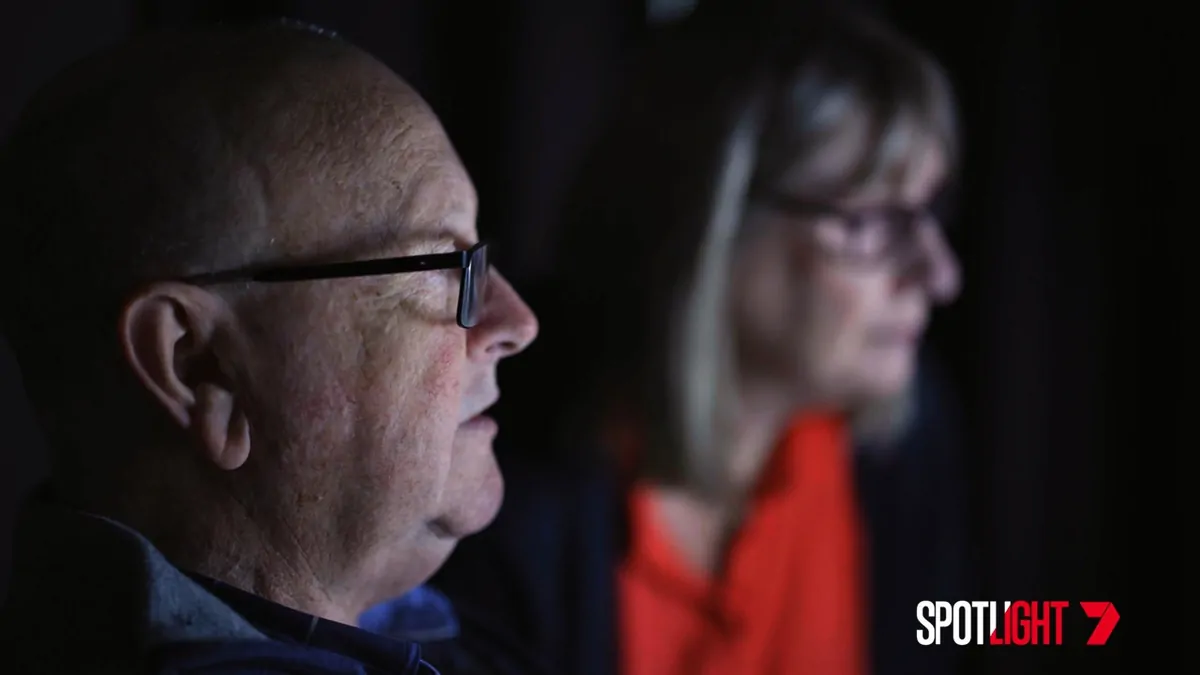
Victims describe the personal devastation in stark terms. Peter Spencer‑Franks, a 61‑year‑old bus driver, watched his balance tumble from $1.4 million to $28,000 within weeks. “It is devastating, quite simply I’ve worked all my life, I’ve saved all my life,” he told The Senior. Melinda Kee, who lost around $400,000, now runs a Facebook support group for affected investors and urges anyone to “check their super balance”.
ASIC has labelled the misconduct “industrial‑scale”. Deputy Chair Sarah Court told The Nightly that “what we have seen in these matters is I would call misconduct on an industrial scale”. The regulator has filed civil penalty proceedings against Equity Trustees and launched a separate action against the financial adviser Ferras Merhi, accusing him of unconscionable conduct and of pocketing $37 million in fees and marketing costs.
Meanwhile, the Australian Financial Complaints Authority (AFCA) is grappling with the volume. An AFCA spokesperson said the body had received 3,343 complaints about Shield and First Guardian, issued 89 decisions and was juggling 644 simultaneous investigations. The authority also noted a 23 per cent increase in total complaints across all products in the first quarter of the year, underscoring the broader pressure on the dispute‑resolution system.
The fallout extends beyond the two funds. The CSLR’s shortfall also accounts for claims linked to the Dixon Advisory collapse, Walker Stores’ instalment‑finance scheme and the Remi Capital debacle, all of which add to the cumulative compensation burden.
Legal manoeuvring adds another layer of complexity. InterPrac Financial Planning sued AFCA in the Federal Court after an AFCA determination ordered it to pay Ms Kee $368,093.11 plus interest. The lawsuit has frozen AFCA’s ability to enforce that determination, delaying payment for an investor who successfully fought the loss of her retirement nest‑egg.
In response to the growing crisis, ASIC is backing a new consumer website, takeyoursuperback.com, to guide investors through the complaint process and encourage them to lodge claims with AFCA. The platform, developed by Super Consumers Australia, will go live tomorrow, according to a Financial News Wire release.
"Where there has been clear regulatory and systemic failure, victims should be compensated promptly."
Melinda Kee, advocate, via ABC News
How significant is this development?
Contribute your assessment to the aggregated reader sentiment ledger.
Frequently Asked Questions
Key questions answered in this reportWhat is the key development in: CSLR faces $170m shortfall as First Guardian, Shield claims surge?
A surge in claims from the collapse of the First Guardian and Shield super funds has created a $170 million funding gap for the Compensation Scheme of Last Resort. Government officials are considering widening the industry levy base to address the shortfall.
Why is this Business development significant for the UK?
This report covers critical events in our Business beat. Independent reporting monitors related UK statements, regulatory shifts, and public responses as further verified details emerge.
How was this reporting corroborated and verified?
Newsarchy UK compiles and cross-references reporting from primary reporting from abc.net.au and cross-checked wire reports. All coverage adheres to published editorial standards.
When was this report published?
This briefing was published on July 2, 2026 and is permanently cataloged in the Newsarchy UK Business archives.