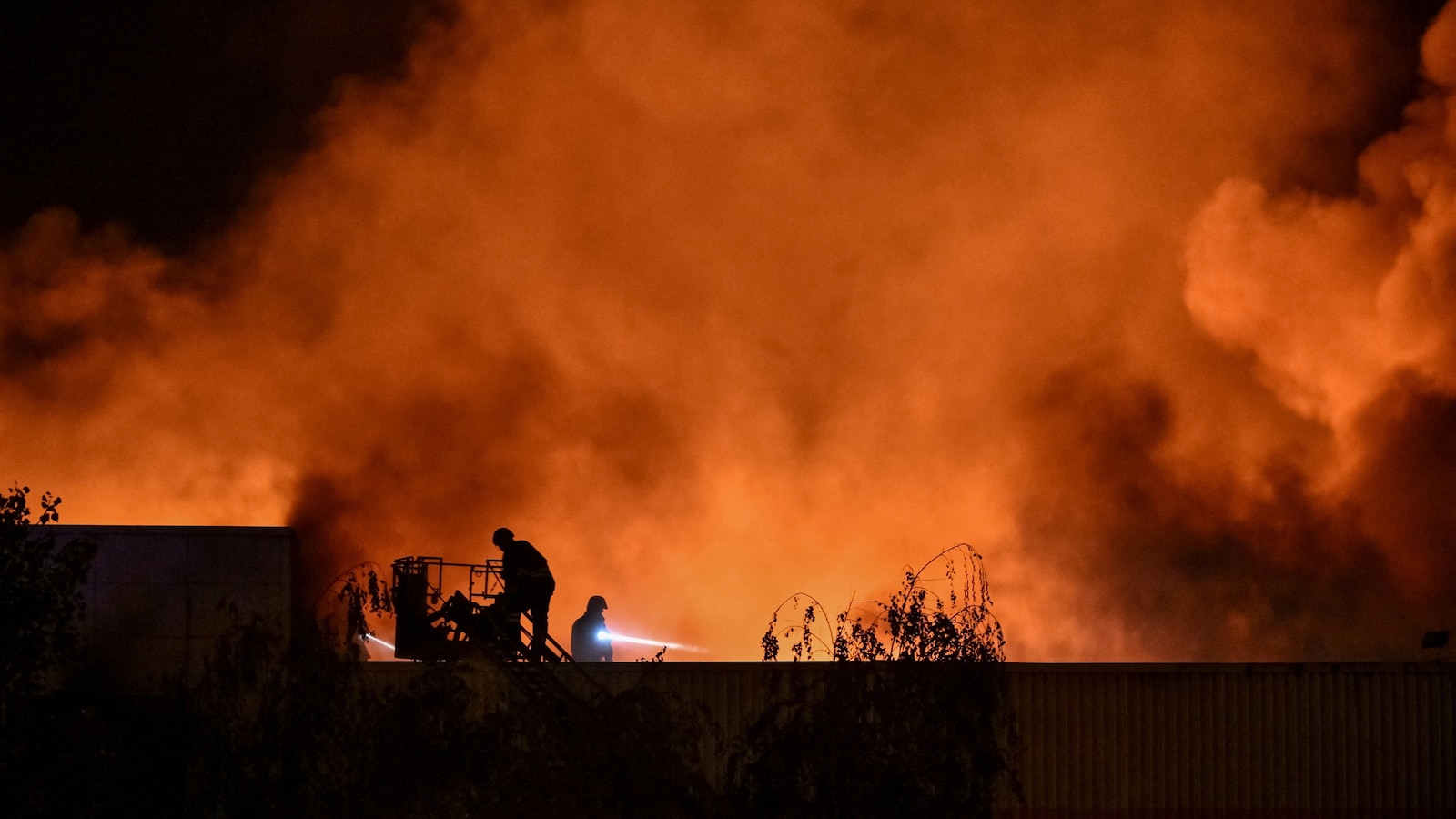
RMT tube strike shuts London Underground, commuters shift to buses
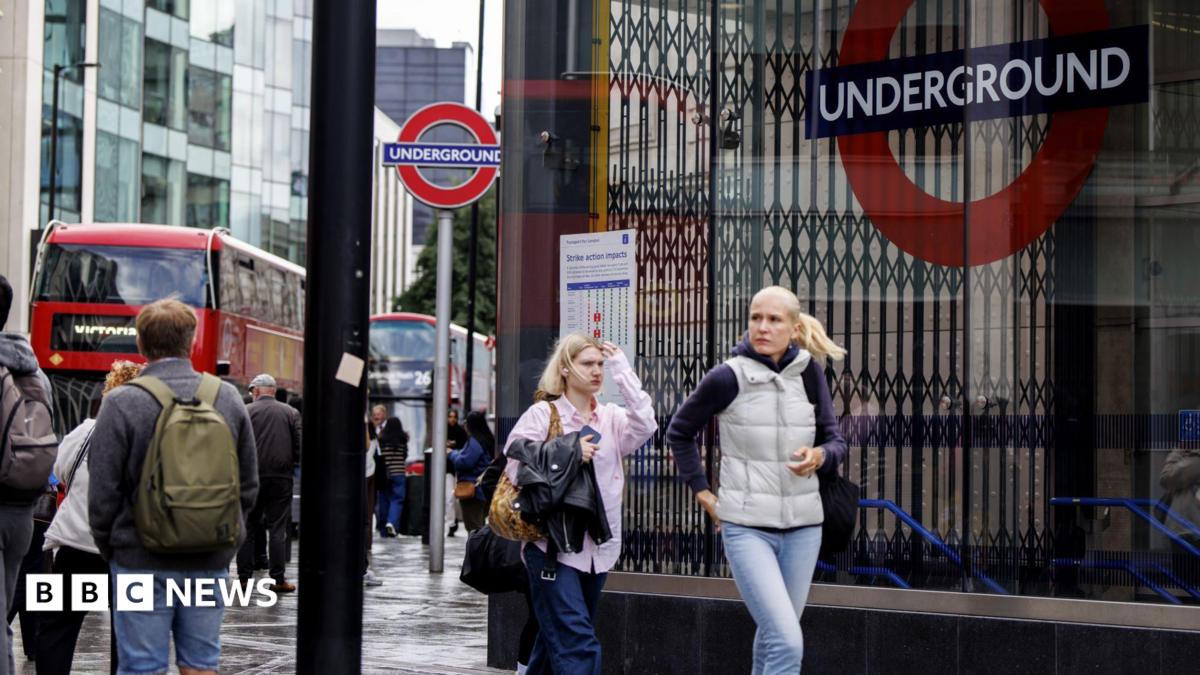
RMT strikes have caused widespread London Underground closures and significant travel disruption. Transport for London and union leaders face pressure.
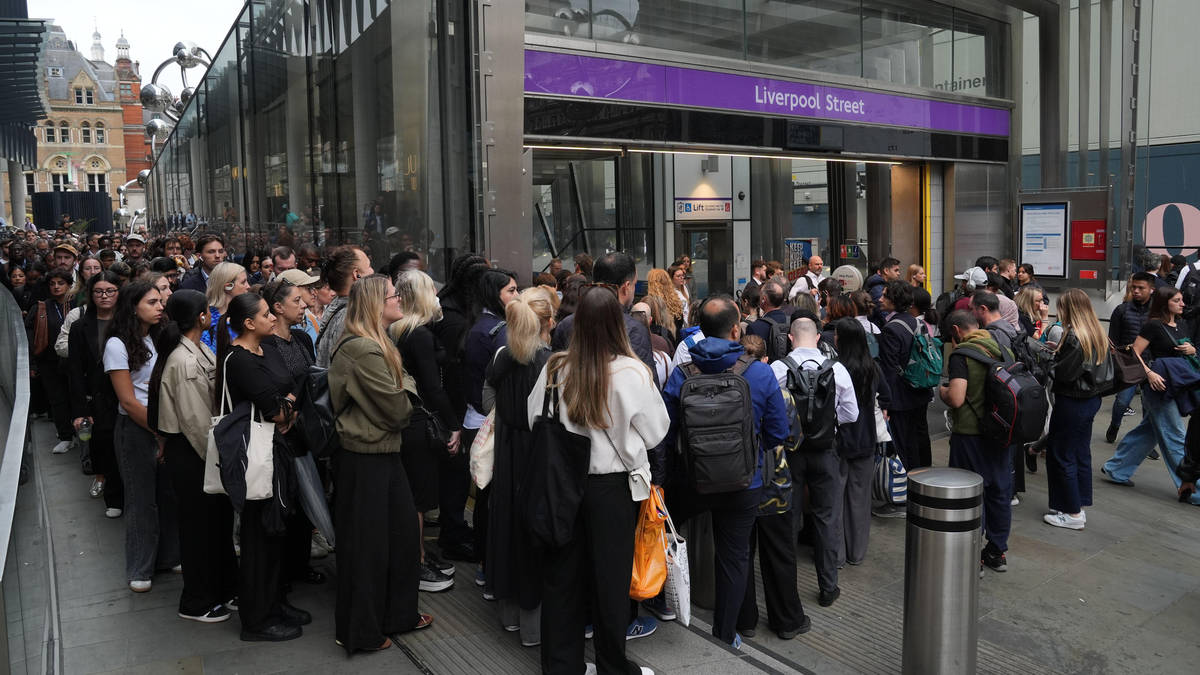
- Core Development: RMT strikes have caused widespread London Underground closures and significant travel disruption. Transport for London and union leaders face pressure.
- Beat Context: Categorized under Transport with independent corroboration.
- Reporting Depth: 3 minute analytical read synthesized from verified newsroom sources.
Strikes roll out across the week
By Wednesday, “a majority of Tube stations across London remained closed”.
Transport for London’s response
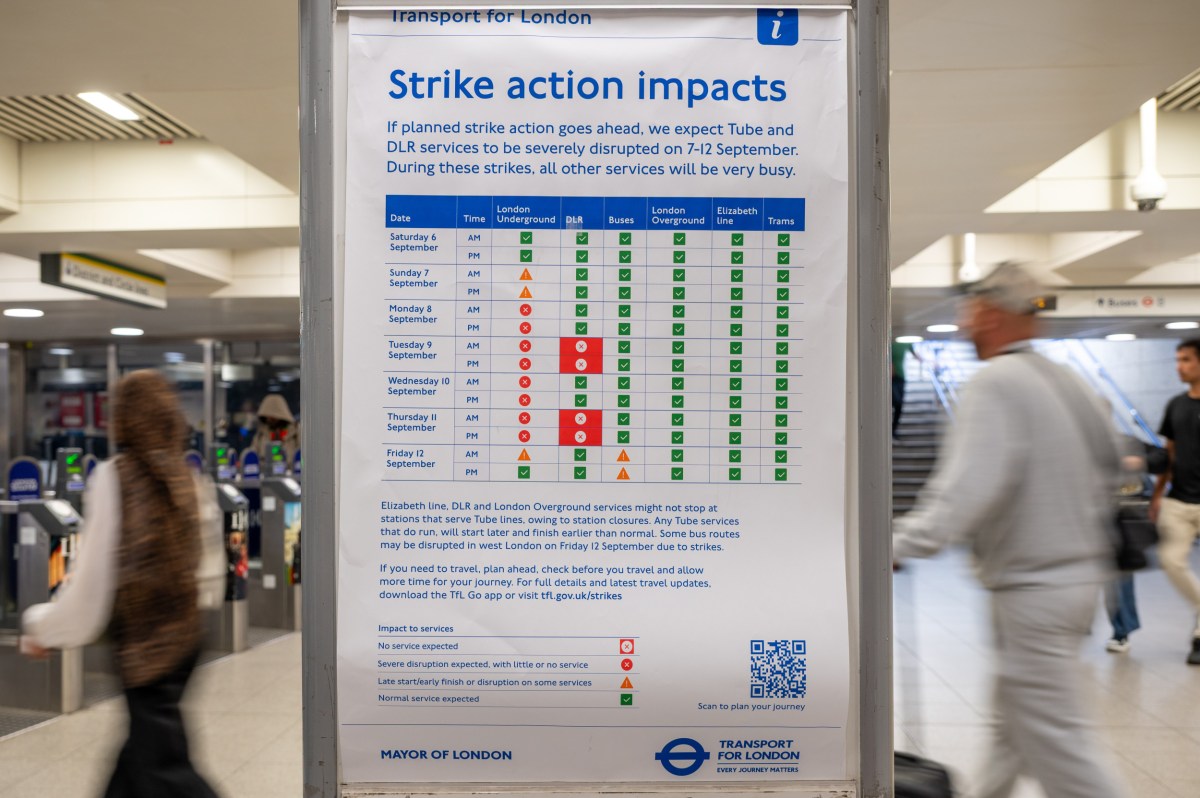
TfL said it would run “at least half of Tube services” on the strike days, but announced that the DLR would be out of service on Tuesday and Thursday as part of a separate dispute. Bus queues stretched along pavements, and a “huge increase” in bicycle hires was recorded – 19 608 hires by 15:00 BST on Wednesday, “up by 93 %” on the previous Wednesday.
Media additions
“We call on the RMT to suspend this action, put our fair and affordable offer to their members and continue discussions with us.”
Claire Mann, TfL chief operating officer, via Daily Mail
Claire Mann added that the voluntary four‑day week “has been designed to improve work‑life balance” and that drivers who prefer the five‑day pattern could remain on it. TfL’s director of customer operations, Nick Dent, said TfL was “very keen” to work with the union and noted that the ballot had taken place before a pay offer was communicated.
Union demands and the pay offer
The RMT is pressing for a contracted week reduced from 35 hours to 32 hours and a pay rise above TfL’s “3.4 %” proposal, which the union calls “unaffordable”. TfL estimates that the shorter week would cost the network “£200 million per year”. RMT general secretary Eddie Dempsey argued that “fatigue and extreme shift rotations are serious issues impacting on our members’ health and wellbeing”.
“Fatigue and extreme shift rotations are serious issues impacting on our members’ health and wellbeing – all of which have not been adequately addressed for years.”
Eddie Dempsey, RMT general secretary, via BBC
In a separate statement, an RMT spokesperson warned that drivers have “very real concerns about spending longer hours in the driver cab, becoming more fatigued, losing flexibility around their shifts and the impact that could have on safety”.
Political pressure and public reaction
The mayor’s office said Sir Sadiq Khan had “ensured TfL is ready to restart talks”. Conservative leader Kemi Badenoch posted on X that the strike adds “more misery” to an already strained economy.
Commuters voiced anxiety on social media. Florian, 45, told The Standard, “We are trying to take the bus and we’re not sure if we’ll get there on time at all.” French tourists Ilona and Valentin, 26, said they “took the bus everywhere” after learning about the strikes before arriving.
Hospitality firms warned of “further blow to the sector” and a think‑tank estimate put the economic impact at “£230 million”.
Alternative travel modes and city‑wide effects
TfL’s journey‑planner app crashed under the surge, and its website struggled with traffic.
What happens next?
Eddie Dempsey has called for a summit with Sir Sadiq Khan, urging the mayor “to invite us to the meeting, let’s have a discussion”. TfL says it is “very keen” to restart talks, while the mayor’s office has pledged to facilitate a meeting.
In the meantime, TfL urges passengers to “check live service updates, allow extra travel time and consider alternatives such as cycling, walking or using the Elizabeth line and London Overground”.
How significant is this development?
Contribute your assessment to the aggregated reader sentiment ledger.
Frequently Asked Questions
Key questions answered in this reportWhat is the key development in: RMT tube strike shuts London Underground, commuters shift to buses?
RMT strikes have caused widespread London Underground closures and significant travel disruption. Transport for London and union leaders face pressure.
Why is this Transport development significant for the UK?
This report covers critical events in our Transport beat. Independent reporting monitors related UK statements, regulatory shifts, and public responses as further verified details emerge.
How was this reporting corroborated and verified?
Newsarchy UK compiles and cross-references reporting from primary reporting from dailymail.com and cross-checked wire reports. All coverage adheres to published editorial standards.
When was this report published?
This briefing was published on July 21, 2026 and is permanently cataloged in the Newsarchy UK Transport archives.