Gatwick runway closed 50 minutes after Norse Atlantic plane stuck
The primary runway at Gatwick was shut for 50 minutes after a Norse Atlantic Boeing 787 stalled and became immobilised.

- Core Development: The primary runway at Gatwick was shut for 50 minutes after a Norse Atlantic Boeing 787 stalled and became immobilised.
- Beat Context: Categorized under Business with independent corroboration.
- Reporting Depth: 3 minute analytical read synthesized from verified newsroom sources.
On Friday 4 September 2026, Gatwick Airport’s main runway was shut for almost an hour after a Norse Atlantic Airways Boeing 787 rejected its take‑off roll and became immobilised. The incident brought all scheduled flights to a halt, forced diversions to London Stansted, Birmingham and Luton, and triggered a wave of delays that stretched across the afternoon.
Incident details
The aircraft involved was Norse Atlantic Airways flight Z0701, bound for New York’s John F. Kennedy International Airport. While accelerating on runway 26L, the jet stalled at roughly 138 mph. According to the Aviation Herald, a problem with the nose gear caused the nose wheels to turn 90 degrees, preventing the aircraft from moving forward.
Media additions
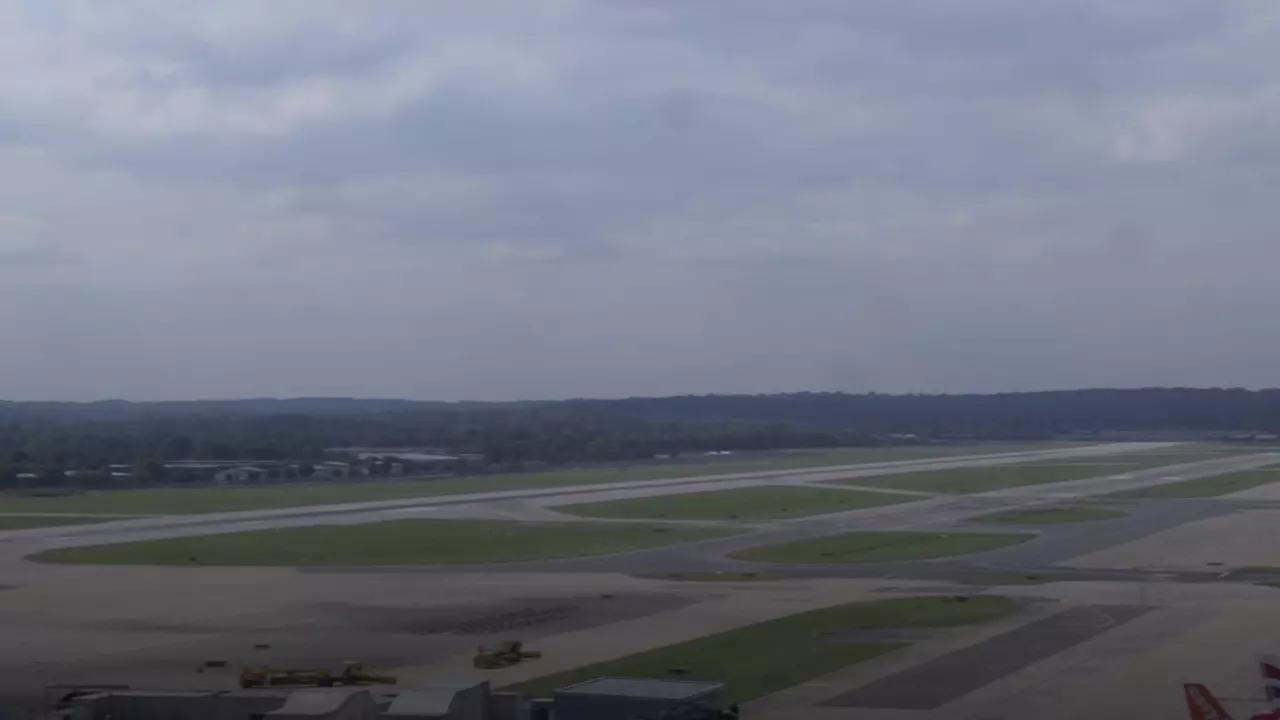

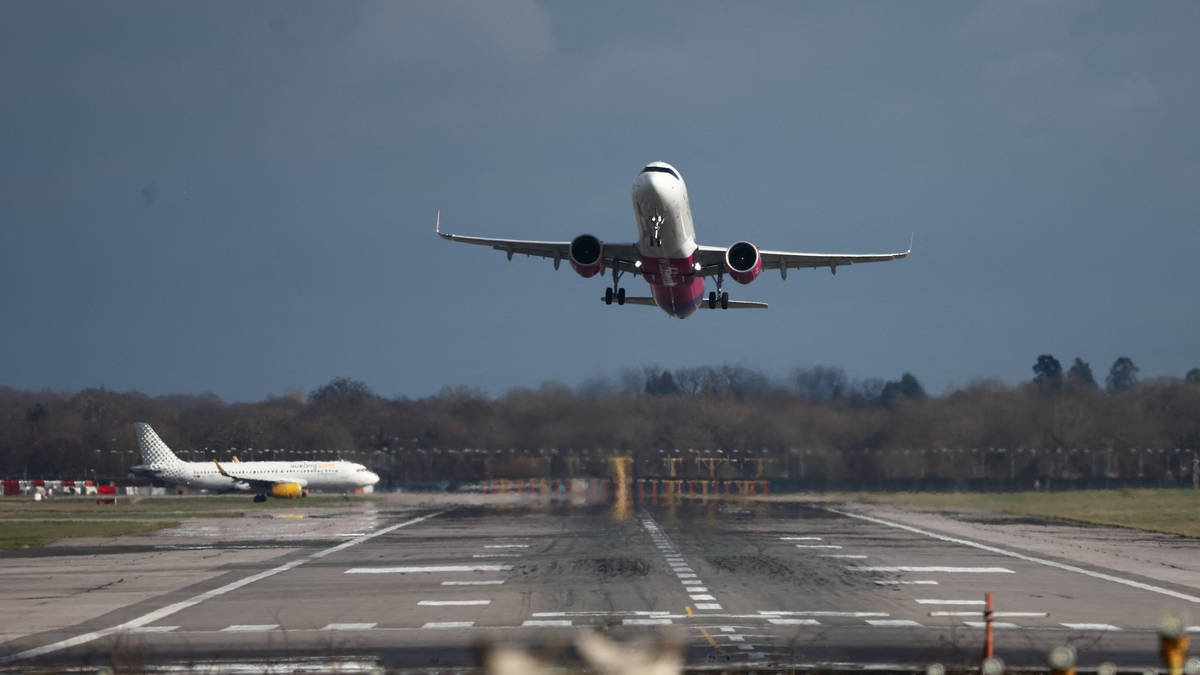
Emergency crews arrived quickly, surrounding the plane with a convoy of ground vehicles. The aircraft was towed from the runway after about half an hour, as confirmed by Flightradar24 data and the airport’s own reports. The runway was inspected, cleared and reopened at 2:40 pm BST, allowing flights to resume normal operations.
"The runway was closed for 50 minutes this afternoon (Friday 4 September) due to a technical issue with a departing aircraft. The aircraft was towed from the runway, which reopened shortly afterwards following a full safety inspection." London Gatwick spokesperson, via Lbc
Impact on passengers
Flightradar24 data recorded that, just after 16:00 BST, 40 % of flights were delayed and 1 % were cancelled. Inbound services experienced delays ranging from 20 minutes to two hours. Some EasyJet arrivals were diverted to alternative airports, including London Luton and London Stansted, while a number of departures were pushed back for several hours.
Passengers were advised to remain at the airport and to check the official Gatwick website for updates. Airport officials urged customers to still travel to the airport for their scheduled times, even as diversions and delays continued.
"As always, safety and security is our number one priority." London Gatwick spokesperson, via Bbc
Airport response
Following the removal of the aircraft, the runway was reopened after a full safety inspection. Flights to major European tourist destinations were delayed, and staff at the airport communicated with passengers about the situation. The airport’s spokesperson reiterated that safety remained the top priority throughout the incident.
Investigators are still examining the cause of the nose‑gear failure. Preliminary information from the Aviation Herald notes that the nose wheels turned 90 degrees, a detail that explains why the aircraft could not move forward. The incident has highlighted the importance of runway safety procedures at busy airports.
What to watch next
Gatwick Airport has pledged to review its emergency protocols to minimise future disruptions. The investigation into the nose‑gear failure is ongoing, with preliminary findings already circulating. Norse Atlantic Airways has been contacted for a statement, and the Aviation Herald is continuing to collect data on the incident.
Travelers planning journeys from Gatwick should keep an eye on the airport’s official communications and allow extra time for potential delays. While the runway is now operational, the event serves as a reminder of the complex logistics required to keep one of the world’s busiest airports running smoothly.
How significant is this development?
Contribute your assessment to the aggregated reader sentiment ledger.
Frequently Asked Questions
Key questions answered in this reportWhat is the key development in: Gatwick runway closed 50 minutes after Norse Atlantic plane stuck?
The primary runway at Gatwick was shut for 50 minutes after a Norse Atlantic Boeing 787 stalled and became immobilised.
Why is this Business development significant for the UK?
This report covers critical events in our Business beat. Independent reporting monitors related UK statements, regulatory shifts, and public responses as further verified details emerge.
How was this reporting corroborated and verified?
Newsarchy UK compiles and cross-references reporting from primary reporting from aol.co.uk and cross-checked wire reports. All coverage adheres to published editorial standards.
When was this report published?
This briefing was published on September 4, 2026 and is permanently cataloged in the Newsarchy UK Business archives.