Global food prices at three-year high as heatwaves and wars push up crop costs
Global food prices have climbed to their highest level in three and a half years, driven by a combination of severe summer heatwaves and escalating conflicts.
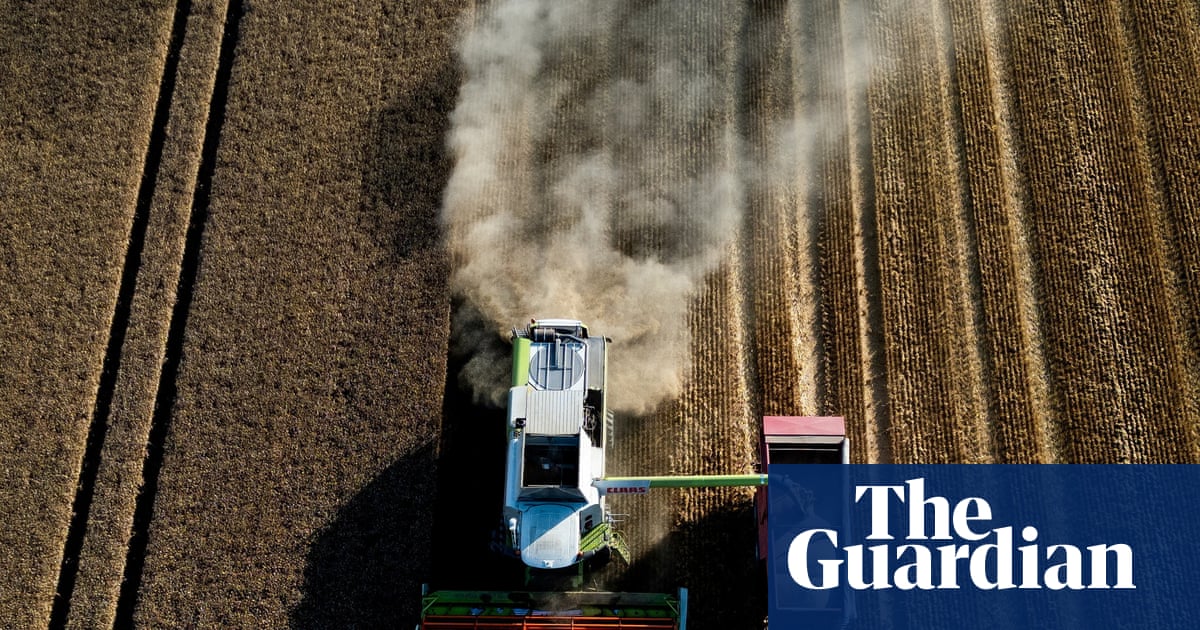
- Core Development: Global food prices have climbed to their highest level in three and a half years, driven by a combination of severe summer heatwaves and escalating conflicts.
- Beat Context: Categorized under Business with independent corroboration.
- Reporting Depth: 4 minute analytical read synthesized from verified newsroom sources.
Global food prices have climbed to their highest level in three and a half years, driven by a combination of severe summer heatwaves and escalating conflicts in Ukraine and the Middle East, according to reporting detailed by The Guardian.
The benchmark measure tracked by the Food and Agriculture Organization of the United Nations (FAO) reached 131.1 points in July 2026. This marks a rise from 130.3 points in June and stands at its highest point since January 2023, as reported by Miragenews.
Media additions

The upward spiral is primarily being fuelled by what the Thenews describes as a perfect storm of compounding pressures. Severe weather conditions, including intense heatwaves and the developing El Niño weather system, are damaging crop yields worldwide. At the same time, geopolitical tensions, particularly in the Black Sea region and the Gulf, continue to disrupt export flows and drive up energy costs.
Cereals, Sugar and Vegetable Oils Lead the Rise
The cereal price index increased by 3.4% month-on-month in July. This rebound reversed a previous decline, pushing cereal prices to a level 6.9% above their standing from July of the previous year.
Global wheat costs surged by 5.8% during the month. Continued disruptions to Black Sea export flows and damage to export infrastructure — stemming from intensified attacks between Russia and Ukraine — exacerbated the pressure. Furthermore, a deadly heatwave that swept across Europe in June forced grain farmers to destroy an estimated 9 million tonnes of crops such as wheat, barley, maize, and oats.
Maize prices also increased by 3.6%. This was supported by hot and dry weather in parts of the United States, alongside spillover effects from firmer energy markets driven by heightened geopolitical tensions. Meanwhile, the FAO All Rice Price Index held broadly steady.
Sugar prices jumped by 5.6% in July, erasing a June decline. The FAO attributed this increase to fears over persistent hot and dry weather affecting crop yields in the European Union, alongside El Niño-related conditions impacting production in Asia. Stronger demand for ethanol in Brazil, following new rules that increased the mandatory ethanol blend in gasoline, also supported sugar prices, though this was partly mitigated by improving harvesting conditions in Brazil's key Center-South growing regions.
Vegetable oil prices rose by 2%, reaching their highest level since June 2022. International quotations for palm oil climbed due to firm demand from Indonesia's biodiesel sector and higher crude oil prices. World soy oil prices likewise increased on the back of robust feedstock demand in the United States and stronger global import demand.
Energy Woes and Geopolitical Conflict
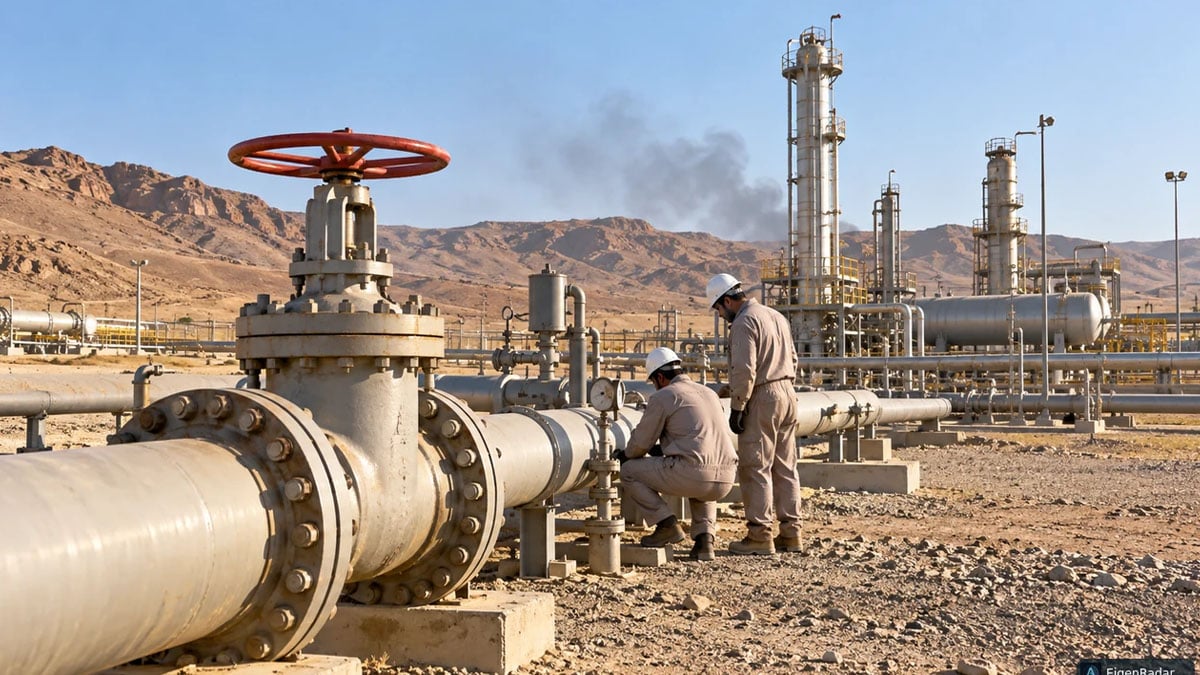
Energy market dynamics and warfare are playing a central role in the current agricultural squeeze. The war involving Iran has pushed up food prices by threatening vital trade routes. About a third of global fertiliser production travels through the Strait of Hormuz.
Higher crude oil prices, fueled by escalation in the Iran war and strong demand for biodiesel, supported palm and soy oil prices. However, not all vegetable oils followed the trend, as global sunflower and rapeseed oil prices declined.
Offsets in Meat and Dairy Markets
Not all commodities shared in the upward price movement. The meat price index weakened by 2.8% from its record high in June, marking the first monthly decline of the year.
International poultry prices decreased largely due to lower quotations in Brazil amid ample export supplies. Pig meat quotations dipped due to abundant supplies in the European Union and subdued global demand. World bovine meat prices also eased, reflecting weaker import demand from Asia. In contrast, ovine meat prices rose to a new record high, supported by persistently tight exportable supplies in Oceania.
Dairy prices slipped by 0.7% in July, with quotations for whole and skim milk powders dropping alongside butter. Prices for internationally traded cheese bucked the trend, rising for the first time in a year as tighter seasonal milk supplies in the European Union more than offset continuing price declines in Oceania and intensified competition from the United States.
Broader Economic and Humanitarian Implications
Economists warn that these converging agricultural shocks and geopolitical tensions threaten to usher in a renewed wave of global food inflation. Increased food commodity prices typically translate into higher prices on supermarket shelves in future months as suppliers pass on their increased costs to consumers.
The situation carries severe humanitarian consequences. The UN’s World Food Programme warned that 50 million people are likely to be pushed into acute hunger before the end of next year by the El Niño weather phenomenon. Despite the recent surge, the FAO index remains 18.2% below its peak reached in March 2022 following Russia’s full-scale invasion of Ukraine.
- July 2026 Index Reading: 131.1 points
- Monthly Change: Up 0.6% from June 2026
- Wheat Price Increase: Up 5.8%
- Cereal Price Increase: Up 3.4%
- Sugar Price Increase: Up 5.6%
- Vegetable Oil Increase: Up 2.0%
- Meat Price Decrease: Down 2.8%
- Dairy Price Decrease: Down 0.7%
How significant is this development?
Contribute your assessment to the aggregated reader sentiment ledger.
Frequently Asked Questions
Key questions answered in this reportWhat is the key development in: Global food prices at three-year high as heatwaves and wars push up crop costs?
Global food prices have climbed to their highest level in three and a half years, driven by a combination of severe summer heatwaves and escalating conflicts.
Why is this Business development significant for the UK?
This report covers critical events in our Business beat. Independent reporting monitors related UK statements, regulatory shifts, and public responses as further verified details emerge.
How was this reporting corroborated and verified?
Newsarchy UK compiles and cross-references reporting from primary reporting from theguardian.com and cross-checked wire reports. All coverage adheres to published editorial standards.
When was this report published?
This briefing was published on August 7, 2026 and is permanently cataloged in the Newsarchy UK Business archives.