Indian car dealership inventories shrink amid festive surge and supply strains
Indian car dealerships are grappling with soaring vehicle inventory values and working capital stress as a festive season surge collides with persistent manufacturing backlogs.

Indian car dealerships face unprecedented supply strains and rapidly shrinking inventory levels as a festive season surge collides with persistent manufacturing backlogs. According to industry reporting, major automakers are grappling with low vehicle stocks despite surging customer bookings, creating severe working capital stress across the retail network.
The contemporary Indian automotive market spans an enormous valuation spectrum, with prices for new vehicles ranging from the affordable Maruti Suzuki Alto K10 up to luxury flagships like the Mercedes-Benz G-Class, as detailed in Car Prices in India 2026 by NDTV. Yet beneath this variety lies a deep structural friction. According to reporting from The Economic Times, Indian car dealerships are sitting on a record unsold inventory valued between ₹51,000 crore and ₹52,000 crore. While the sheer volume of physical cars sitting in yards is slightly below previous yearly peaks, the soaring financial worth of these vehicles has amplified working capital pressures for local merchants.
Media additions
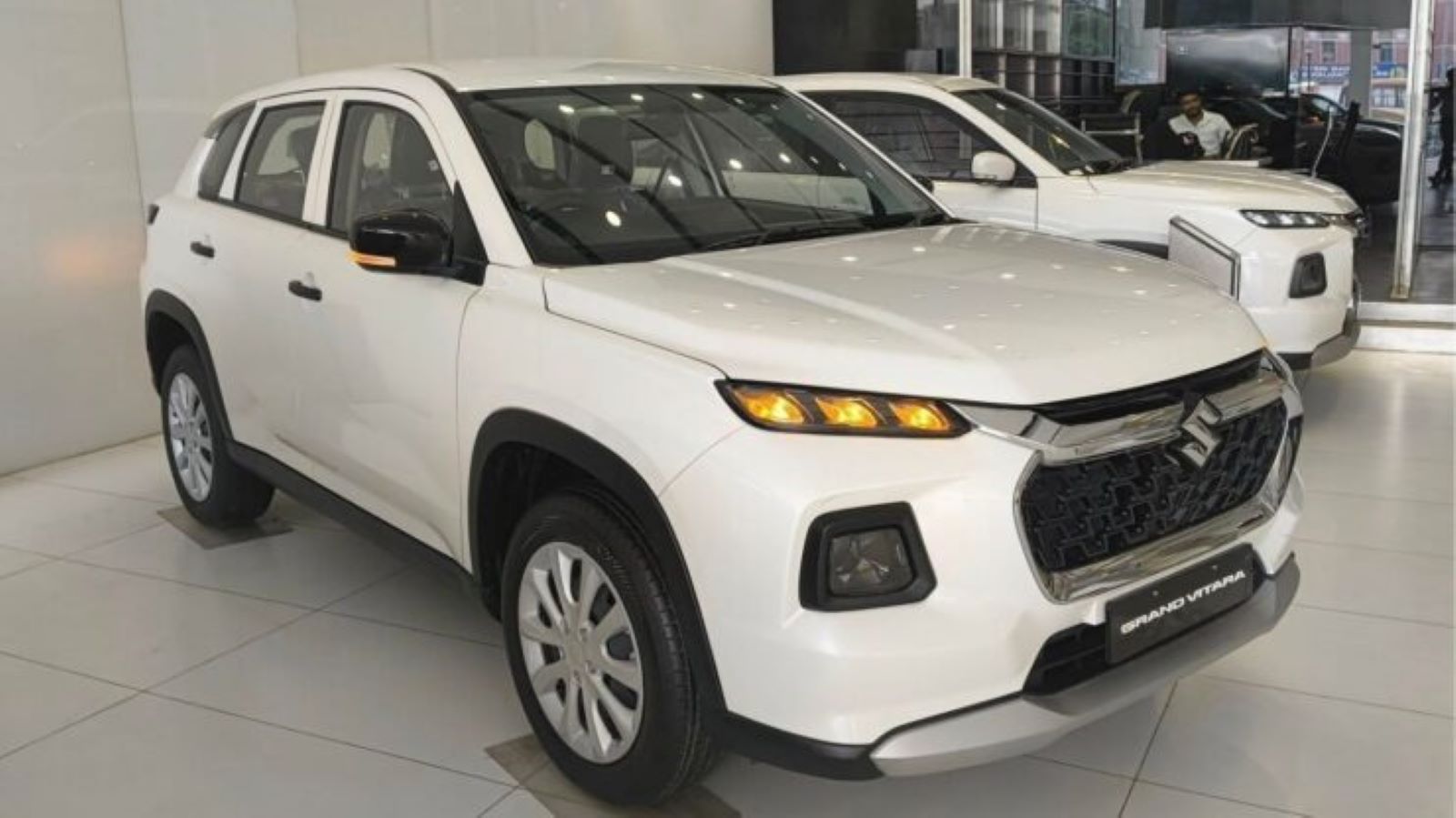
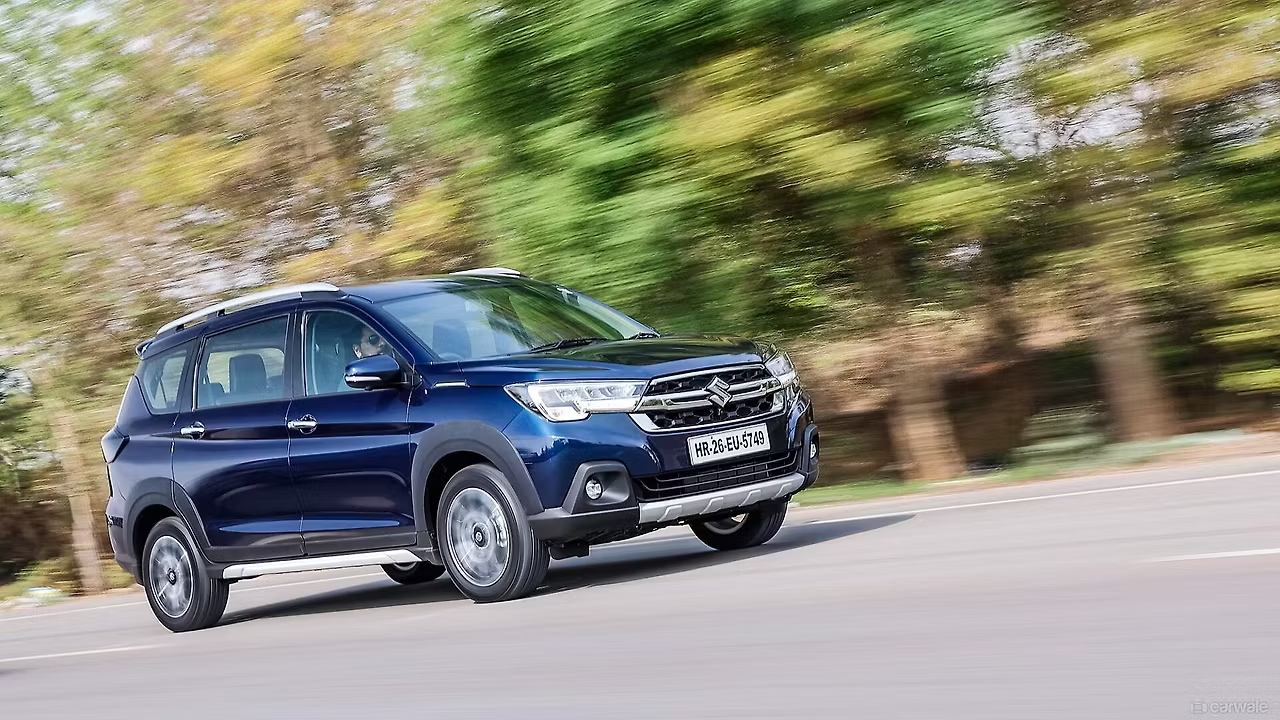

Dealers are struggling because retail sales continue to lag behind wholesale factory dispatches. Manufacturers frequently count vehicles as sold the moment they leave the production line—a metric critics describe as misleading since cars routinely languish at dealership yards for weeks or months. High inventory holding costs, especially when stocks exceed a benchmark thirty-day window, have historically pushed vulnerable dealerships to the brink of insolvency. Industry experts cited by Economic Times note that this perennial push by manufacturers to hit arbitrary wholesale targets, without regard for local retail conditions, sits at the root of the crisis.
Parallel supply challenges are evident across other legacy nameplates. While mainstream hatchbacks and subcompact crossovers navigate tiered discounting, iconic off-roaders like the Suzuki Jimny have experienced varied commercial trajectories since their initial market introductions. Originally rooted in the Japanese light-vehicle kei class, the Jimny series has evolved through four distinct generations characterized by ladder-frame chassis construction, solid-beam axles, and selectable four-wheel-drive systems.
Other major industry players are experiencing divergent inventory realities. While Maruti Suzuki grapples with an order backlog topping 200,000 units alongside thinning ready stocks for specific models, companies like Hyundai Motor India are actively ramping up production lines to head off anticipated demand slowdowns.
The broader automotive ecosystem continues to evolve under the weight of these inventory pressures. Trade bodies such as the Federation of Automobile Dealers' Associations have repeatedly raised concerns regarding unsustainable stock levels, urging closer dialogue with manufacturing councils like the Society of Indian Automobile Manufacturers to establish safer inventory ceilings. Observers note that without stricter demand-forecast alignment, dealerships will remain vulnerable to cash-flow crunches whenever retail customer footfall stalls.
What to Watch Next
- Upcoming retail sales data releases from the Federation of Automobile Dealers' Associations to measure whether festive-season off-takes have successfully brought dealership inventory down below the critical thirty-day threshold.
- Potential policy discussions between dealer representatives and manufacturing bodies regarding wholesale dispatch metrics and working capital relief frameworks.