Johnson & Johnson offers $5.5bn to settle US baby powder lawsuits
Johnson & Johnson has proposed a $5.5bn settlement to resolve tens of thousands of US lawsuits alleging its talc-based baby powder caused ovarian cancer.
- Core Development: Johnson & Johnson has proposed a $5.5bn settlement to resolve tens of thousands of US lawsuits alleging its talc-based baby powder caused ovarian cancer.
- Beat Context: Categorized under Business with independent corroboration.
- Reporting Depth: 4 minute analytical read synthesized from verified newsroom sources.
Johnson & Johnson has offered to pay $5.5bn (£4.14bn) to resolve tens of thousands of US lawsuits alleging that its talc-based baby powder and related products caused ovarian cancer. Reported across Malaysia News Yahoo, International Business Times, and Samaa TV, the proposed deal targets an end to prolonged litigation that has shadowed the healthcare giant for over a decade. The fresh development arrives through ordinary court processes, marking a distinct shift away from previous attempts to resolve the claims.
The vast settlement proposal covers roughly 69,000 ovarian cancer claims pending in federal multidistrict litigation in New Jersey and related state court cases. According to primary reporting, these filings account for the vast majority of the company's remaining talc litigation. Yet, the agreement hinges entirely on acceptance. At least 95% of the roughly 76,000 total remaining claimants must agree to the proposal before the deal can become final.
Media additions

Payment terms outlined by the company stipulate an initial disbursement of no more than $3bn (£2.26bn) next year. Following that initial transfer, no additional payments will occur before 2028. While law firms representing the plaintiffs have confirmed the agreement, individual payout schedules have not been made public.
Crucially, the settlement excludes several related legal battles. Mesothelioma claims linked to talc are not covered and will be addressed separately by the company. Furthermore, the agreement leaves out a separate ongoing case in the United Kingdom involving more than 7,000 potential claimants, as well as future lawsuits.
Corporate leaders continue to maintain that the underlying litigation lacks merit. Erik Haas, Worldwide Vice President of Litigation at Johnson & Johnson, issued a statement regarding the ongoing dispute.
"These claims lack scientific merit and were sustained only by unreliable expert opinions that could not survive rigorous judicial review."
Erik Haas, Worldwide Vice President of Litigation, via Malaysia News Yahoo
Haas added that the resolution enables the business to move forward. This resolution allows the company to put this matter behind it and remain focused on its mission to develop medicines and devices that save lives,
he noted, maintaining that the firm had won the majority of talc cases heard so far and would have ultimately prevailed in court.
The timing of the announcement follows a major legal hurdle for plaintiffs. A US federal court cast significant doubt on individual plaintiffs' ability to prove "specific causation"—the necessary legal standard to demonstrate that talc directly caused an individual's cancer. This ruling reportedly accelerated settlement discussions after plaintiffs' counsel acknowledged the same scientific and legal hurdles.
Unlike earlier resolutions attempted by Johnson & Johnson, which involved placing talc liabilities into a subsidiary and filing for bankruptcy, this new agreement applies directly to existing claims via standard litigation. Courts rejected both prior bankruptcy attempts, ruling that the corporate parent possessed adequate financial capacity to handle claims independently.
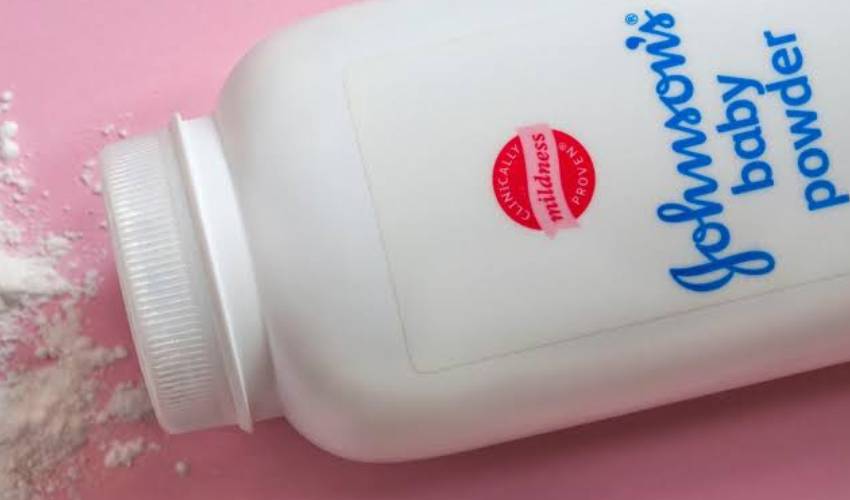
The controversy spans a history of more than 15 years, originating from consumer complaints in 2009 that prolonged use of talc-based powder caused ovarian cancer due to alleged asbestos contamination. Talc, a mineral formed of magnesium, silicon, oxygen, and hydrogen, is ground into fine dust for use in body powders and cosmetics to absorb moisture and prevent nappy rash. Critics argued that talc mined near asbestos deposits could contain harmful carcinogenic fibres. Meanwhile, the World Health Organization classified talc as probably carcinogenic to humans, and individual jury verdicts have previously reached substantial sums, including a California award granted to a deceased plaintiff's family.
Johnson & Johnson has consistently denied that its products contained asbestos or caused cancer, insisting that rigorous scientific studies confirm the safety of its talc. Amid mounting pressure, the corporation discontinued talc-based baby powder in the United States and subsequently stopped sales worldwide, transitioning instead to a cornstarch-based formula.
Corporate restructuring has also shifted geographic liabilities. Responsibility for Johnson's Baby Powder outside North America now rests with Kenvue, a consumer health company spun off from Johnson & Johnson that manages household brands including Calpol, Listerine, Aveeno, and Band-Aid.
What to watch next
- Monitoring whether law firms representing the required 95% threshold of claimants formally sign off on the $5.5bn proposal.
- Observing developments in the separate United Kingdom legal action involving more than 7,000 claimants.
- Tracking how the company chooses to handle separate mesothelioma claims that remain entirely outside the scope of the current ovarian cancer settlement.
How significant is this development?
Contribute your assessment to the aggregated reader sentiment ledger.
Frequently Asked Questions
Key questions answered in this reportWhat is the key development in: Johnson & Johnson offers $5.5bn to settle US baby powder lawsuits?
Johnson & Johnson has proposed a $5.5bn settlement to resolve tens of thousands of US lawsuits alleging its talc-based baby powder caused ovarian cancer.
Why is this Business development significant for the UK?
This report covers critical events in our Business beat. Independent reporting monitors related UK statements, regulatory shifts, and public responses as further verified details emerge.
How was this reporting corroborated and verified?
Newsarchy UK compiles and cross-references reporting from primary reporting from ibtimes.sg and cross-checked wire reports. All coverage adheres to published editorial standards.
When was this report published?
This briefing was published on July 28, 2026 and is permanently cataloged in the Newsarchy UK Business archives.