Michigan reports first two deaths in cyclosporiasis outbreak
Michigan health officials confirmed the first two U.S. deaths linked to a cyclosporiasis outbreak, intensifying scrutiny over supply-chain practices.
- Core Development: Michigan health officials confirmed the first two U.S. deaths linked to a cyclosporiasis outbreak, intensifying scrutiny over supply-chain practices.
- Beat Context: Categorized under Business with independent corroboration.
- Reporting Depth: 4 minute analytical read synthesized from verified newsroom sources.
The confirmation on August 3, 2026 that two Michigan residents have died after contracting cyclosporiasis shifts the nation’s largest food‑borne illness from a public‑health nuisance to a business risk. The deaths, the first linked to the parasite in the United States, have heightened scrutiny of supply‑chain practices, forced fast‑food chains to rethink menus, and raised questions about the speed of regulatory action.
State officials said both decedents “had significant underlying health conditions that may have been impacted by cyclosporiasis and dehydration.” The Michigan Department of Health & Human Services (MDHHS) declined to release further personal details, underscoring the tension between transparency and privacy in a crisis that has already sparked a multi‑state recall of iceberg lettuce.
Media additions
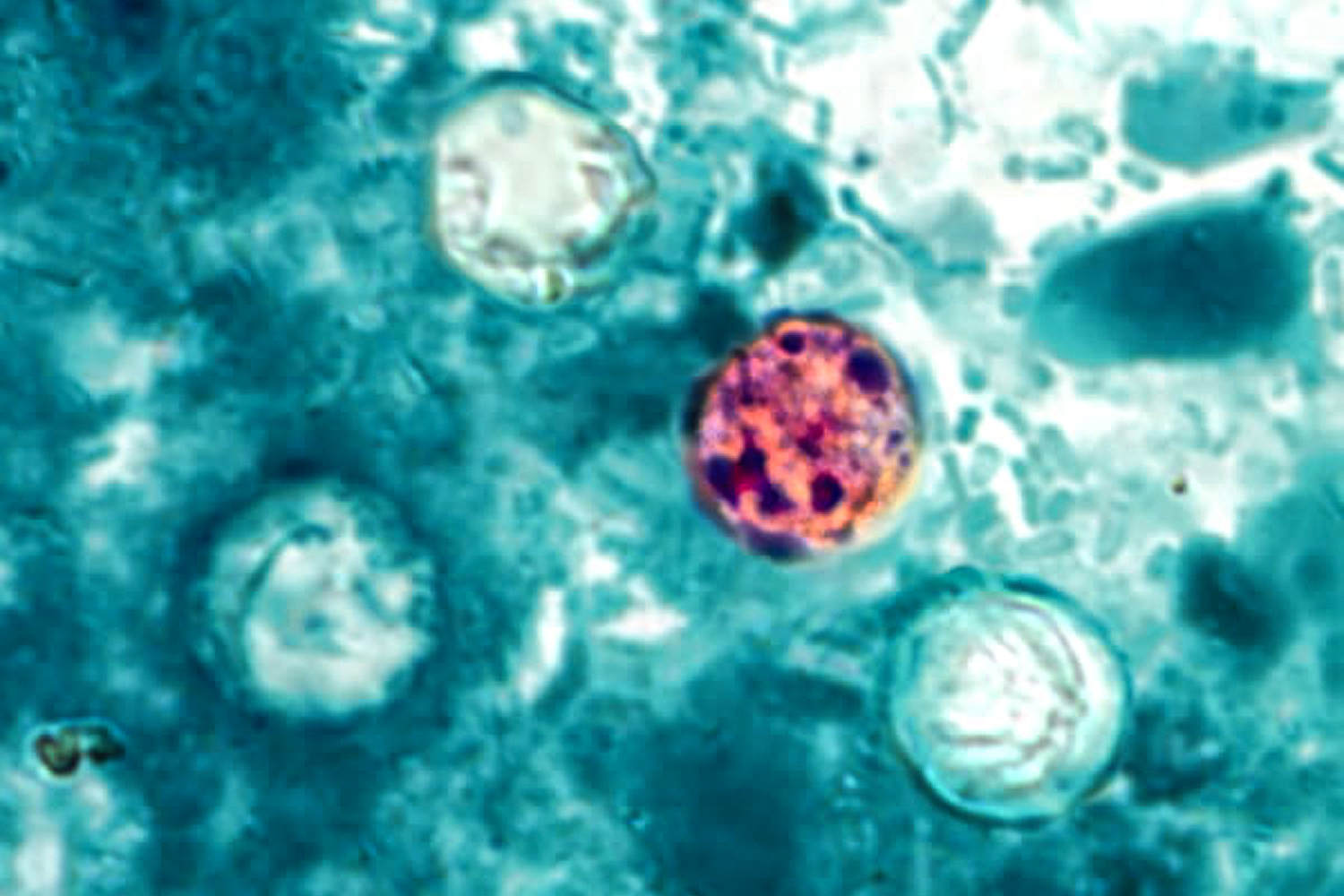

While the Centers for Disease Control and Prevention (CDC) notes the parasite usually produces a self‑limiting diarrhoea, the fatal outcomes illustrate how vulnerable groups can tip a routine infection into a life‑threatening episode. The business implications are already reverberating through restaurants, growers and retailers.
Supply‑chain fallout
Investigators have zeroed in on lettuce imported from central Mexico and supplied by Taylor Farms. Federal agencies linked the contaminated product to several Taco Bell locations, prompting the chain to remove shredded lettuce from its menu in the affected states. A voluntary recall of all iceberg lettuce sourced from the region was issued on July 17, 2026, and remains in effect across 27 states.
Financial markets felt the shock. The parent company of Taco Bell, Yum! Brands, saw its share price dip about 4 % in July after the recall and related news coverage. Comparable chains that rely heavily on fresh greens — Sweetgreen, Cava Group and Chipotle — have also reported stock pressure, even though none have been formally tied to the outbreak.
“Out of an abundance of caution we moved swiftly to voluntarily remove potentially impacted ingredients from select stores,” Taco Bell’s statement read, echoing an earlier internal memo that asked for “a discussion about any intervention or notification” with Michigan health officials on July 2. The timing of that call, weeks before the public recall, has spurred congressional inquiries into whether industry influence delayed regulatory action.
Industry response and consumer guidance
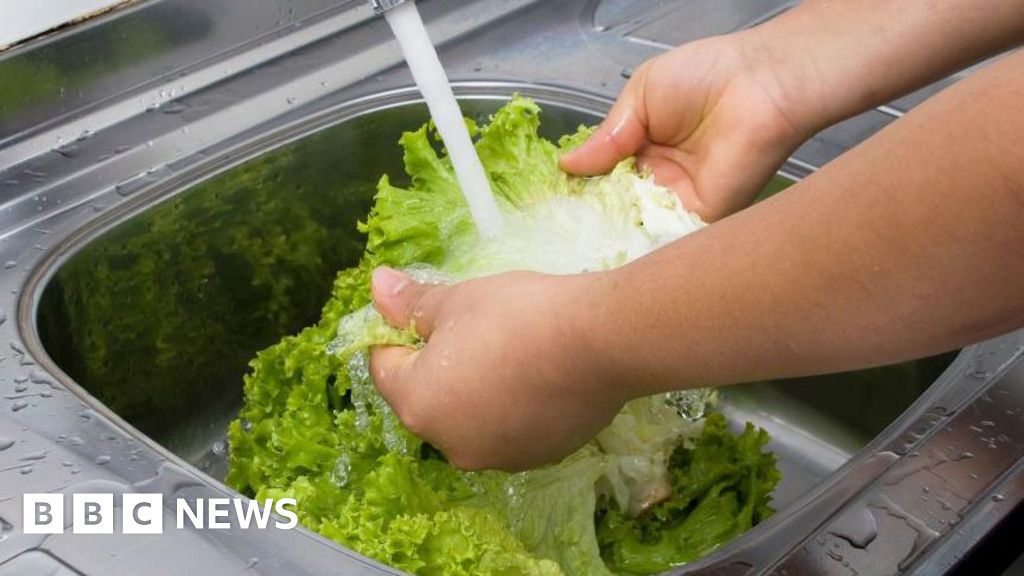
MDHHS has issued practical advice for shoppers: buy whole heads of lettuce rather than pre‑packaged bags, discard the outer three leaves of any head, and cook leafy greens when feasible. The agency stresses that washing alone may not eradicate the parasite, a point echoed by the BBC in its coverage of the CDC’s recommendations.
Health experts interviewed by several outlets agree that the risk to the general population remains low, but they warn that dehydration is the primary danger for anyone with compromised immunity. Dr. William Schaffner, an infectious‑disease specialist, described cyclosporiasis as “generally not life‑threatening” but highlighted that severe diarrhoea can quickly lead to fluid loss.
The outbreak has also uncovered gaps in public‑health funding. A 2026 poll cited by Cidrap pointed to a decline in confidence in government food‑safety oversight, a sentiment that may pressure policymakers to allocate more resources to outbreak detection and traceability.
Timeline of key events
- Early May 2026 – First cases of cyclosporiasis reported in the Midwest.
- July 2 2026 – Michigan health officials hold a conference call with Yum! Brands to discuss the emerging outbreak.
- July 4 2026 – MDHHS advises businesses to take extra precautions with lettuce and leafy greens.
- July 7 2026 – Media reports note signage at some Taco Bell locations about a possible ingredient issue.
- July 14 2026 – Taco Bell publicly confirms removal of “limited ingredients” from select restaurants.
- July 17 2026 – Taylor Farms launches a voluntary recall of iceberg lettuce from central Mexico.
- July 19 2026 – FDA clarifies that a positive test on a lettuce sample was a “false positive,” but maintains focus on the same supplier.
- July 30 2026 – Michigan reports more than 11,000 cases and 193 hospitalisations.
- August 3 2026 – MDHHS announces the first two deaths linked to the outbreak.
Business implications beyond the farm
The recall has forced retailers to scramble for substitute produce. Large grocery chains reported an uptick in demand for whole‑head lettuce, driving price volatility in the short term. Food‑service operators are revisiting menu designs to reduce reliance on pre‑cut greens, a trend that could reshape the fast‑casual sector’s cost structures for the remainder of 2026.
Insurance firms have begun reassessing liability exposure for food‑borne illnesses. Preliminary statements from several carriers suggest that policies covering product recalls may see premium adjustments as “risk‑assessment models account for the scale of the current cyclospora event.”
For growers, the episode shows how much water‑quality monitoring. The parasite’s life cycle requires exposure to contaminated water, and the CDC’s guidance emphasizes that irrigation and washing with untreated water can introduce Cyclospora.
What to watch next
- Continued updates from MDHHS on case numbers and any additional deaths.
- Potential expansion of the recall if epidemiological interviews identify new sources.
- Congressional hearings on the timing of the Taco Bell‑Taylor Farms communication.
- FDA’s final determination on the false‑positive test and any subsequent regulatory actions.
- Retail and restaurant‑sector adjustments to supply contracts for fresh produce.
As the outbreak stretches into the autumn months, the business community will be watching how quickly the supply chain can adapt, whether regulators tighten oversight of imported produce, and how consumer confidence rebounds after the first fatal cases were reported. The next steps will determine whether the current crisis remains an isolated health event or becomes a catalyst for broader industry change.
How significant is this development?
Contribute your assessment to the aggregated reader sentiment ledger.
Frequently Asked Questions
Key questions answered in this reportWhat is the key development in: Michigan reports first two deaths in cyclosporiasis outbreak?
Michigan health officials confirmed the first two U.S. deaths linked to a cyclosporiasis outbreak, intensifying scrutiny over supply-chain practices.
Why is this Business development significant for the UK?
This report covers critical events in our Business beat. Independent reporting monitors related UK statements, regulatory shifts, and public responses as further verified details emerge.
How was this reporting corroborated and verified?
Newsarchy UK compiles and cross-references reporting from primary reporting from cnet.com and cross-checked wire reports. All coverage adheres to published editorial standards.
When was this report published?
This briefing was published on August 3, 2026 and is permanently cataloged in the Newsarchy UK Business archives.