N Chandrasekaran to exit as Tata Sons Chairman, won’t seek reappointment
Tata Sons Chairman N Chandrasekaran has confirmed he will not seek another term and will remain in post until his mandate expires in February 2027 following board friction.

- Core Development: Tata Sons Chairman N Chandrasekaran has confirmed he will not seek another term and will remain in post until his mandate expires in February 2027 following board friction.
- Beat Context: Categorized under Business with independent corroboration.
- Reporting Depth: 4 minute analytical read synthesized from verified newsroom sources.
N Chandrasekaran confirmed on 12 August 2026 that he will not seek reappointment as chairman of Tata Sons, announcing that he will step down when his current term ends in February 2027. The announcement arrives just ahead of the holding company's annual general meeting, which had been expected to consider his reappointment as a director, according to reporting from The News Minute, Free Press Journal, Goodreturns, and the BBC.
Chandrasekaran's decision follows months of tensions and a lack of unanimous support within the board regarding his tenure extension, according to the sources. When the proposal to extend his term by five years was brought to the Tata Sons board on 24 February 2026, it failed to achieve unanimity. While the Sir Dorabji Tata Trust and Sir Ratan Tata Trust had unanimously resolved to recommend the extension — a recommendation recorded by the Tata Sons Nomination and Remuneration Committee and the board — one board member did not support the proposal.
Media additions
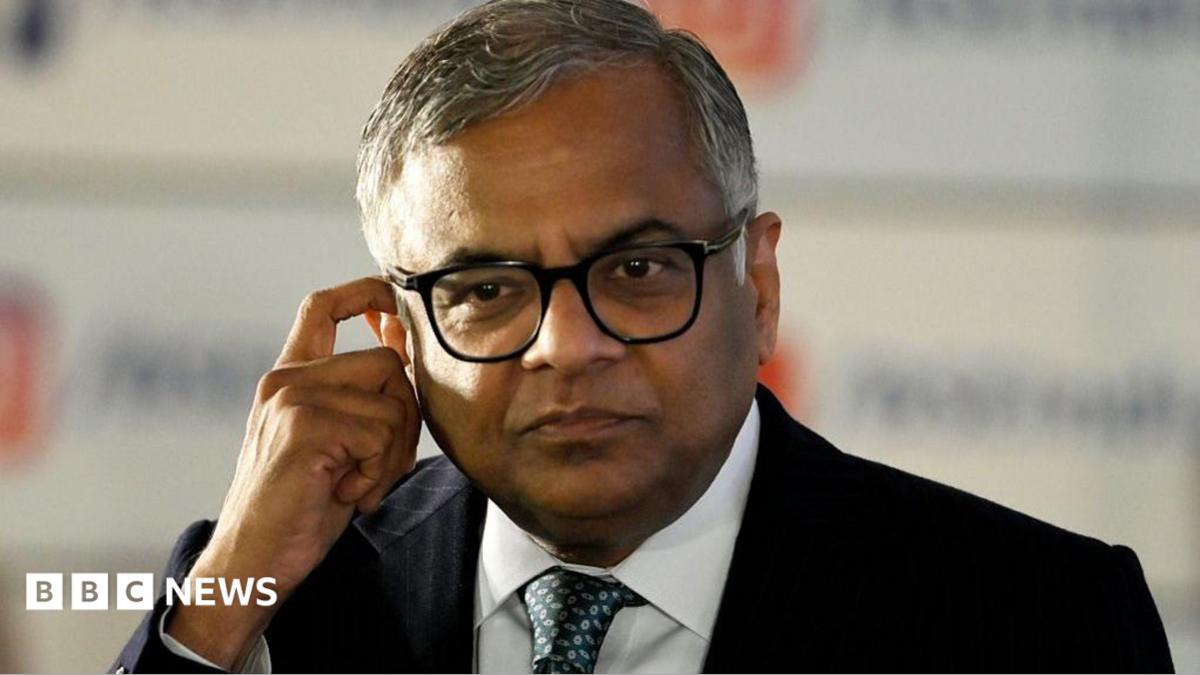
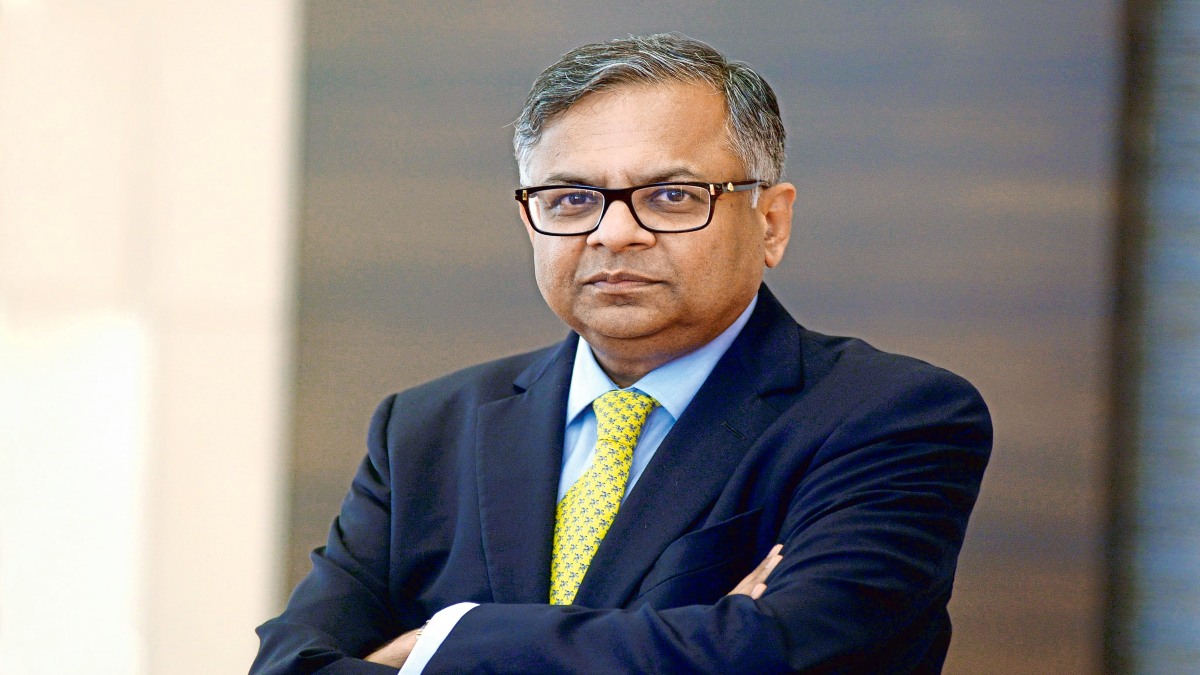
"The proposal was not carried through because one of the Board Members did not support it, and in the absence of unanimous support, I chose to defer the decision."
N Chandrasekaran, via BBC
Four Tata Sons directors were reportedly ready to vote in favour of the extension, but Chandrasekaran opted to postpone the decision in keeping with a tradition followed by former chairman Ratan Tata. Reports indicate that trustees led by Tata Trusts chairman Noel Tata had informally decided against renominating Chandrasekaran as a director, with the matter slated for formal consideration at a Tata Trusts meeting. Goodreturns and other reports note that the underlying discord involved disputes over the performance of newer businesses, the group's debt profile, potential public listing plans for Tata Sons, and an ongoing dispute with minority shareholder Shapoorji Pallonji. Additionally, Vijay Singh, a trustee of Sir Ratan Tata Trust, stepped down ahead of his term expiry by choosing not to seek reappointment.
Kamlesh Shroff, president of the All India Non-Manufacturers’ Association, suggested the exit aligned with a pre-decided course rather than a sudden fallout, noting that Chandrasekaran had already dedicated decades to the organisation.
"I think that after doing four decades of work at the company, it's not something he has himself, so it is as per course that he had decided to exit this."
Kamlesh Shroff, via WebIndia123
Shroff also praised Chandrasekaran for stepping down rather than forcing a renewal without unanimous support, viewing it as a mark of integrity that leaves adequate time for a smooth transition. Chandrasekaran himself emphasized the need for orderly succession planning given the scale of the institution.
"I have completed 40 years of professional life at the Tata Group. I am grateful for the immensely satisfying opportunity to contribute to this venerable institution. Leading Tata Sons over the past decade has been a great honour and a profound responsibility."
N Chandrasekaran, via The News Minute
Chandrasekaran also stated that he asked the board to initiate the succession process promptly to ensure a proper transition. He joined the Tata Group in 1987, rose to become chief executive officer of Tata Consultancy Services (TCS) in 2009, and was appointed executive chairman of Tata Sons in February 2017, succeeding the late Cyrus Mistry as the first outsider and non-Parsi to lead the conglomerate, before securing a second five-year term in February 2022.
During his decade-long stewardship, the salt-to-steel conglomerate expanded and restructured across multiple sectors, overseeing the acquisition of Air India, the integration of aviation assets like Vistara, the establishment of Tata Digital, and major capital investments in electric vehicles, batteries, electronics, and semiconductor manufacturing through Tata Electronics. As chairman of several major operating companies including Tata Steel, Tata Motors, TCS, and Indian Hotels, his departure will also require those individual entities to appoint new chairpersons by February 2027.
Financial markets reacted swiftly to the leadership announcement on 12 August 2026. Shares of prominent group companies came under immediate pressure, with TCS, Tata Steel, Tata Power, Tata Motors Passenger Vehicles, and Tata Consumer Products all seeing declines as investors weighed future capital allocation strategies, debt management, and leadership continuity.
Attention now turns to the company's annual general meeting on 18 August 2026, where shareholders and market observers will look for further clarity on how Tata Sons and its controlling charitable trusts intend to navigate the formal succession process ahead of February 2027.
How significant is this development?
Contribute your assessment to the aggregated reader sentiment ledger.
Frequently Asked Questions
Key questions answered in this reportWhat is the key development in: N Chandrasekaran to exit as Tata Sons Chairman, won’t seek reappointment?
Tata Sons Chairman N Chandrasekaran has confirmed he will not seek another term and will remain in post until his mandate expires in February 2027 following board friction.
Why is this Business development significant for the UK?
This report covers critical events in our Business beat. Independent reporting monitors related UK statements, regulatory shifts, and public responses as further verified details emerge.
How was this reporting corroborated and verified?
Newsarchy UK compiles and cross-references reporting from primary reporting from goodreturns.in and cross-checked wire reports. All coverage adheres to published editorial standards.
When was this report published?
This briefing was published on August 12, 2026 and is permanently cataloged in the Newsarchy UK Business archives.


