Nasdaq 100 cracks 5%, faces 2 trillion wipeout in October as AI spending fears deepen
Wall Street tech stocks faced intense selling pressure in October, wiping out trillions in value as soaring AI infrastructure costs spark investor anxiety.
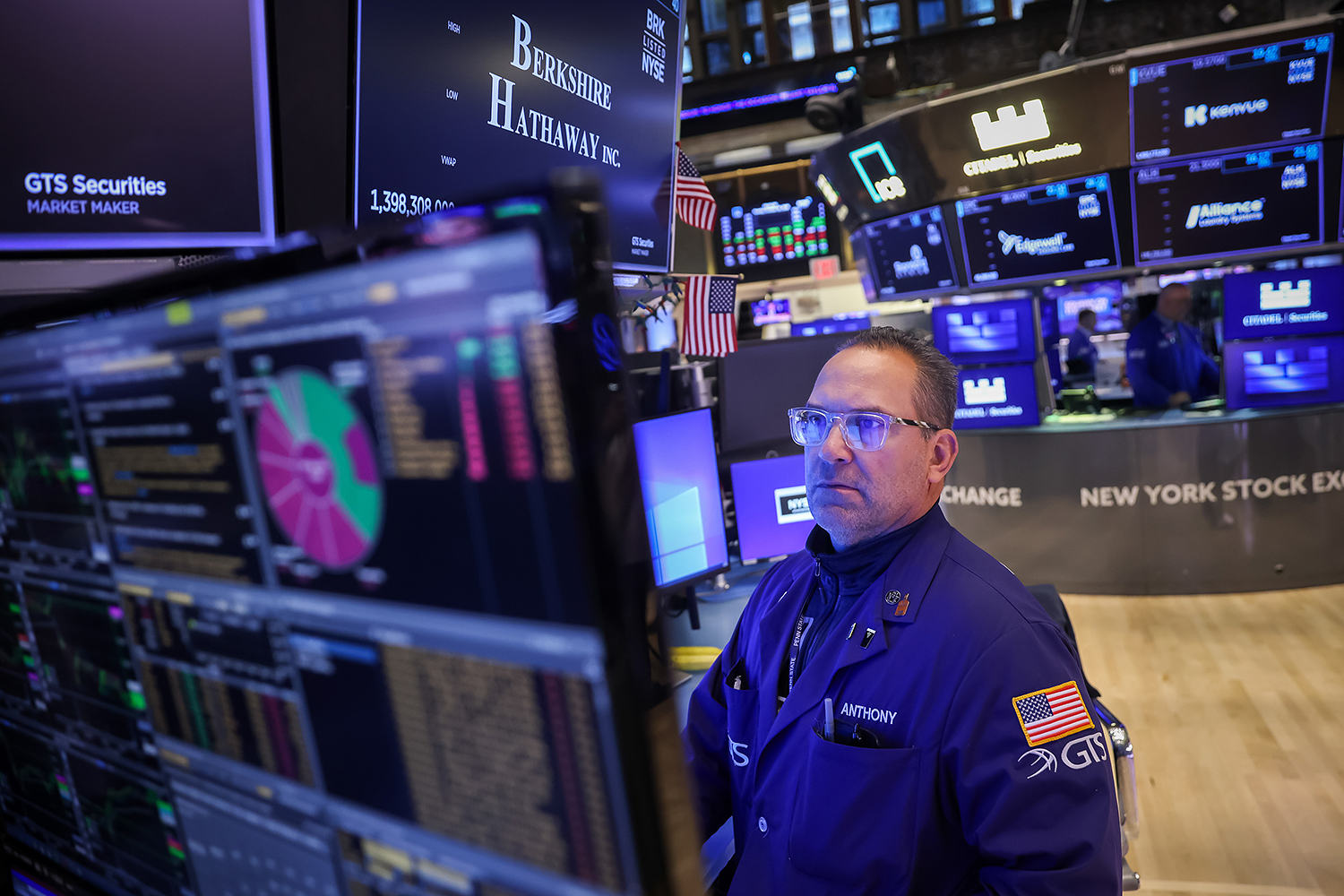
- Core Development: Wall Street tech stocks faced intense selling pressure in October, wiping out trillions in value as soaring AI infrastructure costs spark investor anxiety.
- Beat Context: Categorized under Business with independent corroboration.
- Reporting Depth: 4 minute analytical read synthesized from verified newsroom sources.
Technology stocks on Wall Street faced intense pressure as a major market sell-off wiped out trillions of dollars in value during October, driven by mounting anxiety over whether massive artificial intelligence spending will ever generate adequate financial returns. As reported by The Economic Times, the Nasdaq 100 cracked over 5% as part of a broader correction that shook global equities and reshaped investor sentiment across AOL financial coverage. Technology stocks plunged Friday, erasing more than $1 trillion in value, while the Nasdaq 100 index fell 3.4% in afternoon trading, marking its worst one-day drop since mid-June, according to AOL.
The sell-off pushed the Nasdaq 100 close to correction territory, defined as a decline of 10% or more from an index's last record high. The broader S&P 500 dropped 1.8%, with its tech sector performing as the worst of the day by tumbling more than 4.2%. The broader Nasdaq Composite fell 2.8%. Coinpaper reported that the technology-heavy index declined more than 5.8% during the month, on track to lose more than $2 trillion in market value as earnings from Amazon, Alphabet, and Meta exposed the rising financial cost of building AI infrastructure.
Media additions

The turmoil deepened significantly after disappointing corporate earnings reports from industry giants Amazon and Alphabet exposed the sheer financial weight of constructing AI infrastructure. According to reporting by Coinpaper, Alphabet suffered its sharpest one-day percentage decline on record after investors reacted to disappointing search advertising performance and accelerating infrastructure spending. Google's parent company reported approximately $51.4 billion in quarterly capital expenditures, pushing free cash flow into negative territory. Aol noted that Alphabet shed about $500 billion in market value in its worst day ever and the second-worst wipeout of value in market history, before dropping another 1.4% on Friday.
Amazon similarly reported that spending on artificial intelligence continued at a faster clip than expected while growth in core online shopping softened. Coinpaper reported that Amazon's trailing 12-month free cash flow deteriorated to negative $42.4 billion, compared with positive $14.8 billion a year earlier. AOL observed that Amazon shares declined by as much as 10% in post-market trading Thursday before recovering throughout Friday to end down just 1.4%. The last time Amazon told investors it was upping its AI spending budget, the market rewarded the decision by sending shares up more than 15%. However, a lot changed over the prior three months, as some big companies paying to use AI models tightened token budgets and raised questions about the exact benefits gained from all the time and resources put into AI adoption, leaving investors viewing Big Tech spending through a more skeptical lens.
Despite these mounting financial pressures, major executives indicated no immediate plans to curb investments. Amazon CEO Andy Jassy told shareholders on the company's earnings call to brace for capital expenditures totaling approximately $220 billion, with the majority earmarked for AWS, and warned of even higher spending slated for subsequent years, doubling from 2025 levels. Financial institutions tracking the sector noted the sheer scale of these expenditures. JPMorgan expects global AI capital expenditures to reach approximately $900 billion in 2026 and $5.5 trillion cumulatively by 2030, while Morgan Stanley forecasts annual infrastructure spending exceeding $1 trillion next year.
Hardware providers and chipmakers absorbed the harshest blows during the trading session. Intel plunged over 25% to 29% in its worst ever single-day drop according to data dating back to the 1980s, driven by supply chain issues, manufacturing constraints, an unprecedented memory crunch, and weaker-than-expected fourth-quarter profit and sales forecasts. Intel CEO Lip-Bu Tan expressed disappointment over failing to meet strong customer demand. Peer chipmakers including SanDisk, which plunged 13%, and AMD, ARM Holdings, Qualcomm, and Marvell, which all fell around 10%, sustained sharp drops. The Philadelphia semiconductor index sank 7.2%, and the DRAM ETF tumbling 7%.
| Index / Stock | Market Movement | Key Context |
|---|---|---|
| Nasdaq 100 | Cracked over 5% / approaching correction | Weighing multi-trillion-dollar October valuation losses |
| Alphabet | Shed ~$500 billion | Record one-day decline following negative free cash flow |
| Intel | Plunged over 25% to 29% | Worst single-day drop on supply and manufacturing shortages |
| Amazon | Dropped initially by up to 10% | Recovered partially; trailing cash flow turned negative |
The tech sell-off also reverberated across newer sectors, with upstart neocloud firms like Nebius and CoreWeave dropping more than 10%. Meanwhile, Microsoft pursued a $25 billion bond offering, and other major technology corporations tapped debt markets to fund data center construction. Higher borrowing costs could reduce future investment returns, particularly if new data centers take longer than expected to generate revenue. Increased competition for capital from these heavy borrowers drove U.S. Treasury yields higher in recent months, though the tech sell-off briefly sent government bond yields lower as demand for Treasuries rose.
Despite the broader market backlash, demand for AI infrastructure remains substantial. Amazon Web Services reported 39% annual revenue growth, Microsoft's cloud business continues expanding, and Meta maintained an optimistic advertising outlook. The problem is increasingly the gap between strong demand and the amount companies must invest to satisfy it.
Market watchers and investors will continue to monitor upcoming corporate earnings calls and further announcements regarding capital expenditure budgets to determine whether demand for cloud computing and AI services can bridge the widening gap between massive upfront costs and tangible revenue generation.
How significant is this development?
Contribute your assessment to the aggregated reader sentiment ledger.
Frequently Asked Questions
Key questions answered in this reportWhat is the key development in: Nasdaq 100 cracks 5%, faces 2 trillion wipeout in October as AI spending fears deepen?
Wall Street tech stocks faced intense selling pressure in October, wiping out trillions in value as soaring AI infrastructure costs spark investor anxiety.
Why is this Business development significant for the UK?
This report covers critical events in our Business beat. Independent reporting monitors related UK statements, regulatory shifts, and public responses as further verified details emerge.
How was this reporting corroborated and verified?
Newsarchy UK compiles and cross-references reporting from primary reporting from Coinpaper and cross-checked wire reports. All coverage adheres to published editorial standards.
When was this report published?
This briefing was published on October 30, 2026 and is permanently cataloged in the Newsarchy UK Business archives.