NATO warns it is prepared to respond to potential Iranian threats in Europe
NATO has stated it is ready to defend member states after intelligence indicated that Iran has assessed potential attacks on US military assets in Europe.

- Core Development: NATO has stated it is ready to defend member states after intelligence indicated that Iran has assessed potential attacks on US military assets in Europe.
- Beat Context: Categorized under Business with independent corroboration.
- Reporting Depth: 3 minute analytical read synthesized from verified newsroom sources.
NATO has declared that it is prepared to respond to any potential threats after intelligence indicated that Iran has assessed prospective attacks on United States military assets located in Europe, according to reporting cited by Livemint and the Times of India. The transatlantic alliance stated that its deterrence and defence capabilities remain robust. A NATO official noted that the military bloc would take all necessary steps to defend every member state, pointing to previous missile interceptions earlier in the year when alliance air defence systems intercepted ballistic missiles launched from Iran toward Türkiye on multiple occasions.
The warnings follow assessments from regime insiders indicating that Tehran has evaluated potential strikes on US targets in southeastern Europe, including sites in Bulgaria where local authorities approved the use of air bases by American refuelling aircraft, as reported by Livemint. As the conflict enters its sixth month following initial airstrikes launched by the US and Israel, regional frictions continue to ripple outward, threatening critical infrastructure and drawing stern warnings from multiple capitals.
Media additions

The geopolitical friction has also heightened security concerns across the Persian Gulf. The United Arab Emirates Ministry of Defence reported that its air defence systems detected two ballistic missiles launched from Iran toward the country, with both projectiles falling into the sea and assessments indicating they were intended to target maritime traffic, according to the Business Times. Residents in Dubai received emergency missile threat alerts before authorities declared the situation safe. In response to the alleged attack, the UAE halted all trade relations and financial transactions with Iran until further notice. Meanwhile, the Iranian Foreign Ministry strongly denied firing any missiles at the UAE, with ministry spokesperson Esmail Baghaei dismissing the allegations as contrary to good neighbourliness, as covered by Livemint.
Adding to regional tensions, Major General Ali Abdollahi, Chief of Staff of Iran's Armed Forces, warned nations along the southern shores of the Persian Gulf against facilitating US military operations, stating via the Times of India and Livemint that any assistance given to the US army amounts to direct participation in the conflict. Abdollahi noted that nothing remains hidden from Iranian observation regarding military aircraft stationed at regional bases.
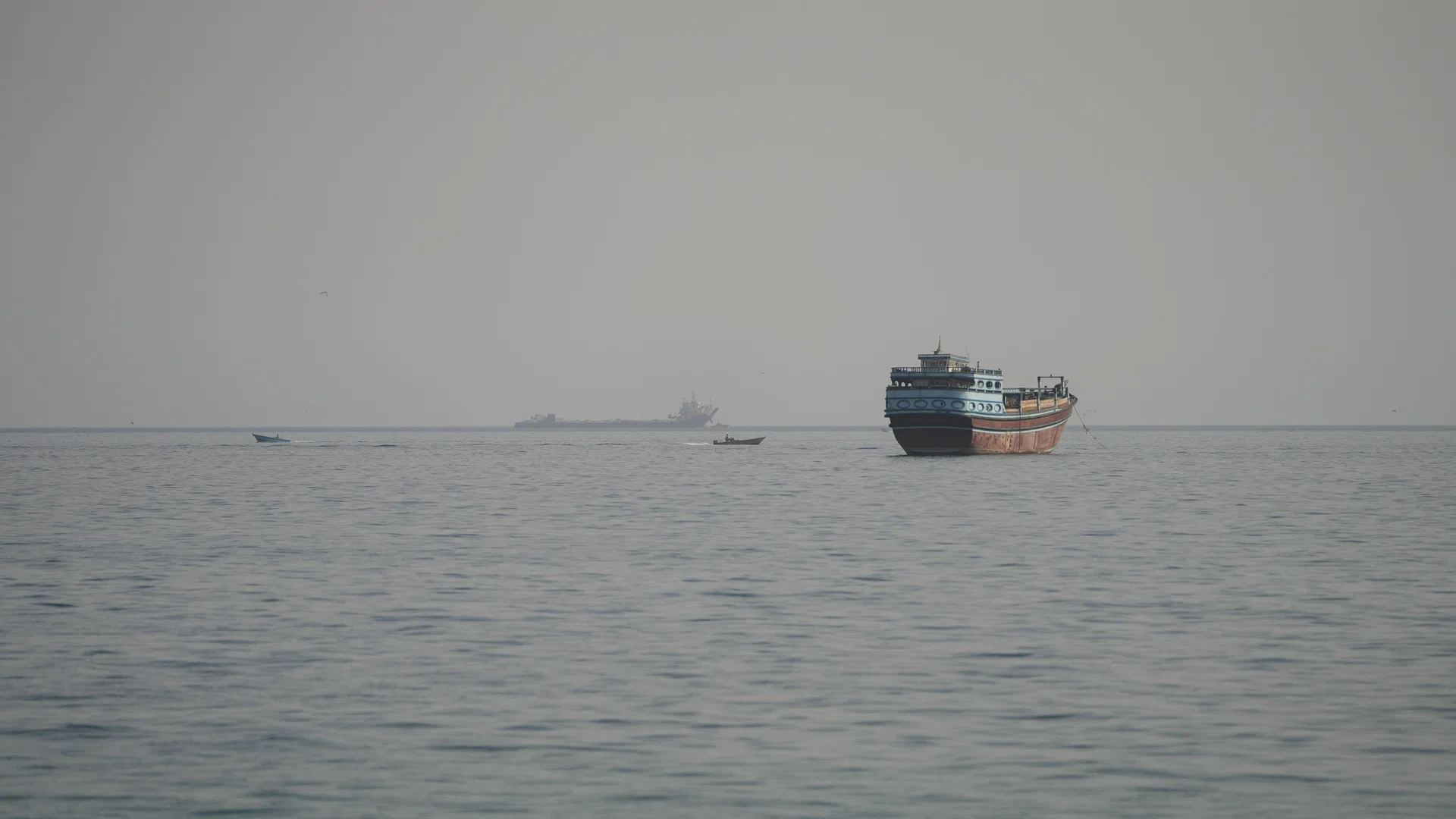
Maritime commerce through the Strait of Hormuz remains heavily constrained. Shiptracking data from Kpler shows that vessel traffic has slowed significantly compared to pre-war averages, as shipowners continue to avoid the vital energy corridor amid a lack of clear signals regarding its reopening. The US Navy continues patrolling the waterway, and Washington maintains that its blockade of Iranian ports remains in full effect. Iranian officials, however, maintain that the waterway's full reopening is subject to Tehran's conditions, including the lifting of oil sanctions and the release of frozen assets. Iranian Deputy Foreign Minister Kazem Gharibabadi sharply criticised statements regarding the waterway, while Omani intermediaries continue discussions with Tehran regarding potential arrangements.
Global energy markets and refining sectors have adjusted to the prolonged supply disruptions. According to data cited by Livemint, refiners in India and the US have increased fuel exports to nations previously dependent on Middle Eastern supply routes, while global refinery throughput remains below historical levels against persistent worldwide demand. At the same time, the United States Department of Justice expanded a prosecution against an Iranian hacking network, bringing additional indictments against suspects linked to cyber campaigns targeting universities, companies, and government agencies.
Key Developments in the Regional Conflict
- NATO Stance: The alliance affirms readiness to protect all allies following intelligence reports concerning potential Iranian threats against US assets in Europe.
- Gulf Escalation: The UAE halted trade with Tehran following intercepted missile activity near its waters, an attack the Iranian government has denied.
- Strait of Hormuz: Commercial transit remains severely depressed as Washington and Tehran remain deadlocked over maritime conditions and port blockades.
Diplomatic efforts involving regional intermediaries such as Oman continue to navigate the impasse, though direct talks between Washington and Tehran have not materialized. Markets and policymakers will watch closely for any formal announcements regarding alternate maritime passages or changes in European defense postures as military activities persist.
How significant is this development?
Contribute your assessment to the aggregated reader sentiment ledger.
Frequently Asked Questions
Key questions answered in this reportWhat is the key development in: NATO warns it is prepared to respond to potential Iranian threats in Europe?
NATO has stated it is ready to defend member states after intelligence indicated that Iran has assessed potential attacks on US military assets in Europe.
Why is this Business development significant for the UK?
This report covers critical events in our Business beat. Independent reporting monitors related UK statements, regulatory shifts, and public responses as further verified details emerge.
How was this reporting corroborated and verified?
Newsarchy UK compiles and cross-references reporting from primary reporting from livemint.com and cross-checked wire reports. All coverage adheres to published editorial standards.
When was this report published?
This briefing was published on August 19, 2026 and is permanently cataloged in the Newsarchy UK Business archives.