Nvidia customers notified about AI-related price hikes above 15%, Bloomberg News reports
Nvidia data center clients have been notified that server hardware costs will increase by more than 15 percent due to rising memory chip expenses.
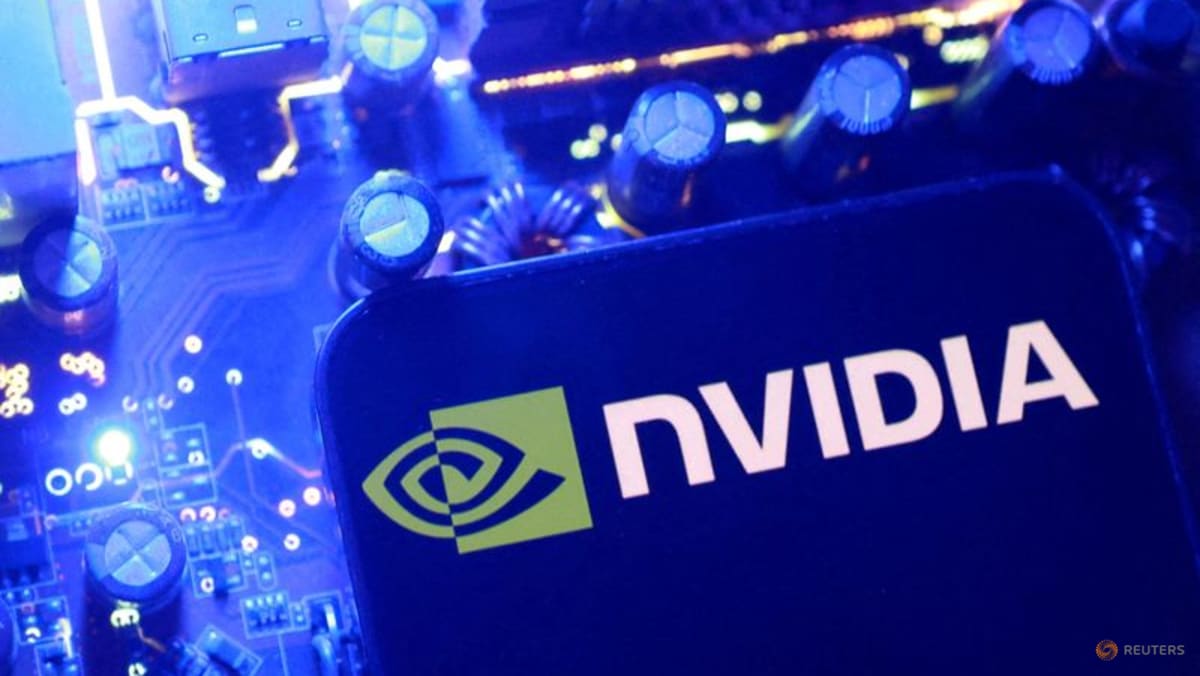
- Core Development: Nvidia data center clients have been notified that server hardware costs will increase by more than 15 percent due to rising memory chip expenses.
- Beat Context: Categorized under Business with independent corroboration.
- Reporting Depth: 3 minute analytical read synthesized from verified newsroom sources.
Some of Nvidia's largest data center clients have been notified that server hardware costs will increase by more than 15 per cent
in many cases, according to Bloomberg News reporting published on Saturday, 22 August 2026. The coming price adjustments stem directly from surging expenses associated with memory chips. Systems slated for delivery beginning early next year will carry the heavier price tags, impacting infrastructure equipped with flagship hardware lines including the Grace Blackwell and Vera Rubin architectures.
The warnings regarding the price adjustments are not arriving directly from the chipmaker itself. Instead, the notifications are flowing downward through contract manufacturers who assemble servers for major technology operators, according to reporting covered by The Next Web and Investing.com via Yahoo Finance. Major cloud service providers and enterprise data center operators such as Microsoft, Alphabet Inc.’s Google, Oracle, and Amazon Web Services face these adjustments even as they continue funding massive infrastructure expansions. Reuters noted that it could not immediately verify the report outside regular business hours, and Nvidia did not immediately respond to requests for comment.
The root cause of the upward pricing pressure lies further up the supply chain. Samsung Electronics, SK Hynix, and Micron Technology produce the vast majority of the world's DRAM. Because the effectiveness of high-performance artificial intelligence accelerator processors relies heavily on the amount of DRAM they are paired with, these memory producers have gained unprecedented leverage. Production output has simply failed to keep pace with the runaway demand generated by the global infrastructure build-out. Taiwan Semiconductor Manufacturing Co, which handles contract manufacturing for Nvidia, also faces immense strain meeting demand.
Industry observers have pointed out notable dynamics regarding where the financial burden ultimately lands. Nvidia maintains a gross margin of roughly 75 percent and commands tens of thousands of dollars per chip, yet the corporation is passing the memory squeeze downstream rather than absorbing the expense. The ripple effects have hit multiple consumer and commercial fronts. Major technology firms like Apple and Qualcomm have stated that component shortages are driving up expenses, while Nvidia recently raised prices on gaming-oriented personal computer graphics cards, followed quickly by AMD. Meanwhile, Amazon Web Services has already raised GPU usage prices by 20 percent.
European markets face particular exposure as public budgets collide with the new hardware economics. The European Union has committed substantial funding toward a series of specialized artificial intelligence gigafactories, and a French consortium has advanced large bids for site development. Similarly, commercial operators such as Nebius are expanding capacity at European facilities. Analysts note that these operational budgets and bids were formulated under older hardware pricing assumptions, making a 15 percent server price jump a material challenge for projects already wrestling with labor shortages, project delays, tighter capital markets, and community resistance.
Even though major cloud operators including Microsoft, Google, Meta Platforms, and Amazon are pursuing internal in-house custom silicon programs to achieve independence, they remain dependent on external purchases from Nvidia for their current data center expansions. Their success in escaping these supply bottlenecks remains tied to the production outputs of Samsung, SK Hynix, and Micron.
What to Watch Next
- Nvidia is scheduled to report its second-quarter financial results, providing an opportunity for management to address supply chain pressures and margin impacts.
- Systems incorporating Grace Blackwell and Vera Rubin architectures are scheduled to ship with the higher pricing structures starting early next year.
- Broader technology sector responses will clarify whether downstream customers will fully absorb the hardware increases or pass them along to enterprise end-users.
How significant is this development?
Contribute your assessment to the aggregated reader sentiment ledger.
Frequently Asked Questions
Key questions answered in this reportWhat is the key development in: Nvidia customers notified about AI-related price hikes above 15%, Bloomberg News reports?
Nvidia data center clients have been notified that server hardware costs will increase by more than 15 percent due to rising memory chip expenses.
Why is this Business development significant for the UK?
This report covers critical events in our Business beat. Independent reporting monitors related UK statements, regulatory shifts, and public responses as further verified details emerge.
How was this reporting corroborated and verified?
Newsarchy UK compiles and cross-references reporting from primary reporting from channelnewsasia.com and cross-checked wire reports. All coverage adheres to published editorial standards.
When was this report published?
This briefing was published on August 23, 2026 and is permanently cataloged in the Newsarchy UK Business archives.