Kyrgyzstan proposes temporary sugar import ban to protect local growers
Kyrgyzstan has proposed temporary import restrictions on white sugar and apples lasting up to six months to shield local farmers from cheap foreign goods.

- Core Development: Kyrgyzstan has proposed temporary import restrictions on white sugar and apples lasting up to six months to shield local farmers from cheap foreign goods.
- Beat Context: Categorized under Transport with independent corroboration.
- Reporting Depth: 3 minute analytical read synthesized from verified newsroom sources.
Kyrgyzstan is moving to shield its domestic agricultural sector from a flood of inexpensive foreign commodities by introducing temporary import restrictions on staple goods, according to recent government proposals that highlight broader regional food-security strains.
The Cabinet of Ministers submitted a decree for public discussion to impose a temporary ban on white sugar imports for up to six months, as reported by Qazinform. Authorities warn that a sharp rise in imports, which surged fourfold between January and July compared to the previous year, combined with tumbling prices for foreign sugar, threatens to create excess market availability. Without intervention, officials say this influx risks undercutting revenues for local sugar beet growers in regions such as Chuy and Talas, where farmers have previously considered abandoning beet cultivation in favor of more profitable crops, as detailed by The Times Of Central Asia.
Media additions
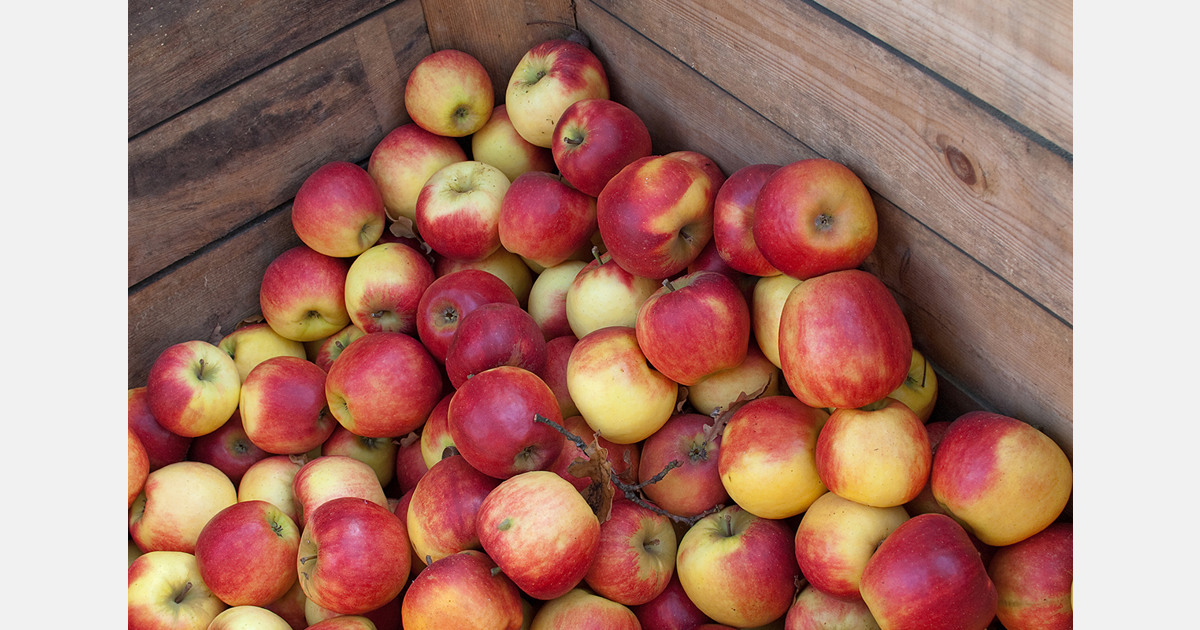


The proposed sugar restrictions would exempt white sugar transported in transit through Kyrgyzstan, shipments moving between Eurasian Economic Union member states, re-exports, extra-grade sugar, or cargo dispatched before the restrictions take effect. Parallel to these measures, Kyrgyzstan’s Ministry of Water Resources, Agriculture and Processing Industry has proposed a six-month restriction on apple imports to support domestic growers and facilitate sales of the local harvest, as noted by Freshplaza. The ministry has also evaluated restrictions on potatoes, dairy products, and fish feed, according to Open.
These trade proposals reflect a complex history of sugar market revival and vulnerability. Following the collapse of Soviet-era agricultural infrastructure in the 1990s, Kyrgyzstan became heavily dependent on imported raw cane and white sugar. Revival began in the late 2010s with the continued operations of the Kaindy-Kant sugar factory and the relaunch of the Koshoi factory. By late 2024, government reports indicated that domestic sugar beet production had roughly doubled from earlier decades, allowing national output to fully cover annual domestic consumption needs.
| Metric / Measure | Detail | Source |
|---|---|---|
| White sugar import ban duration | Up to six months | Qazinform |
| Sugar import volume (Jan–July) | 66,900 tons (four times higher year-on-year) | Qazinform |
| Projected 2026 apple harvest | 179,400 tons across 26,300 hectares | Freshplaza |
| EEC raw cane sugar duty-free quota | Up to 20,000 tons for industrial processing | Akchabar |
To balance industrial needs and consumer stability, the Council of the Eurasian Economic Commission granted a tariff concession allowing Kyrgyzstan to import up to 20,000 tonnes of raw cane sugar duty-free for industrial processing throughout the year, according to Akchabar. EEC Trade Minister Andrei Slepnev stated that the measure aims to ensure stable supplies at competitive prices and prevent shortages. However, white sugar produced from these duty-free raw materials cannot be re-exported to other Eurasian Economic Union member states.
Wider geopolitical and trade disruptions across Central Asia have compounded regional agricultural stress. Trade restrictions implemented by major producers, such as Kazakhstan's curbs on wheat and flour exports and Russia's temporary bans on grain exports to fellow Eurasian Economic Union members, have historically forced regional neighbors to navigate severe price volatility and supply chain bottlenecks, as outlined by Radio Free Europe/Radio Liberty and contextualized by China-US Focus. While Kyrgyzstan maintains a degree of self-sufficiency in socially important food products, including sugar, potatoes, milk, meat, vegetables, and eggs, growing water scarcity and weather shocks pose ongoing risks to domestic crop yields.
The final duration and conditions of the proposed import restrictions remain subject to official review following public and ministerial evaluation.
How significant is this development?
Contribute your assessment to the aggregated reader sentiment ledger.
Frequently Asked Questions
Key questions answered in this reportWhat is the key development in: Kyrgyzstan proposes temporary sugar import ban to protect local growers?
Kyrgyzstan has proposed temporary import restrictions on white sugar and apples lasting up to six months to shield local farmers from cheap foreign goods.
Why is this Transport development significant for the UK?
This report covers critical events in our Transport beat. Independent reporting monitors related UK statements, regulatory shifts, and public responses as further verified details emerge.
How was this reporting corroborated and verified?
Newsarchy UK compiles and cross-references reporting from primary reporting from Radio Free Europe/Radio Liberty and cross-checked wire reports. All coverage adheres to published editorial standards.
When was this report published?
This briefing was published on October 9, 2026 and is permanently cataloged in the Newsarchy UK Transport archives.