Ontario economy shows resilience amid tariff and housing headwinds
Ontario navigates persistent trade and mortgage headwinds while benefiting from Canada's lowest inflation rate and incremental improvements in housing affordability.

- Core Development: Ontario navigates persistent trade and mortgage headwinds while benefiting from Canada's lowest inflation rate and incremental improvements in housing affordability.
- Beat Context: Categorized under Business with independent corroboration.
- Reporting Depth: 3 minute analytical read synthesized from verified newsroom sources.
Ontario’s economy is navigating a complex landscape defined by persistent external pressures and emerging domestic strengths, according to new economic reports. While structural challenges, including heavy reliance on U.S. Trade and ongoing mortgage renewals, continue to weigh on the province, recent data highlight pockets of stability that could cushion the region against wider volatility. This economic balancing act unfolds against a backdrop of evolving trade dynamics and monetary policy adjustments across North America.
The province faces notable headwinds, as TD Economics notes that Ontario’s unemployment remains elevated compared to the national average, kept from climbing even higher primarily by a shrinking population that exerts downward pressure on the labor force. The province remains uniquely vulnerable to trade barriers due to its heavy reliance on the U.S. Market, particularly within the steel, automotive, and manufacturing sectors. At the same time, heavily indebted consumers continue to absorb the impact of mortgage renewals at higher interest rates. Consequently, many forecasters project that Ontario will record one of the weakest rates of economic growth among Canadian provinces this year.
Media additions
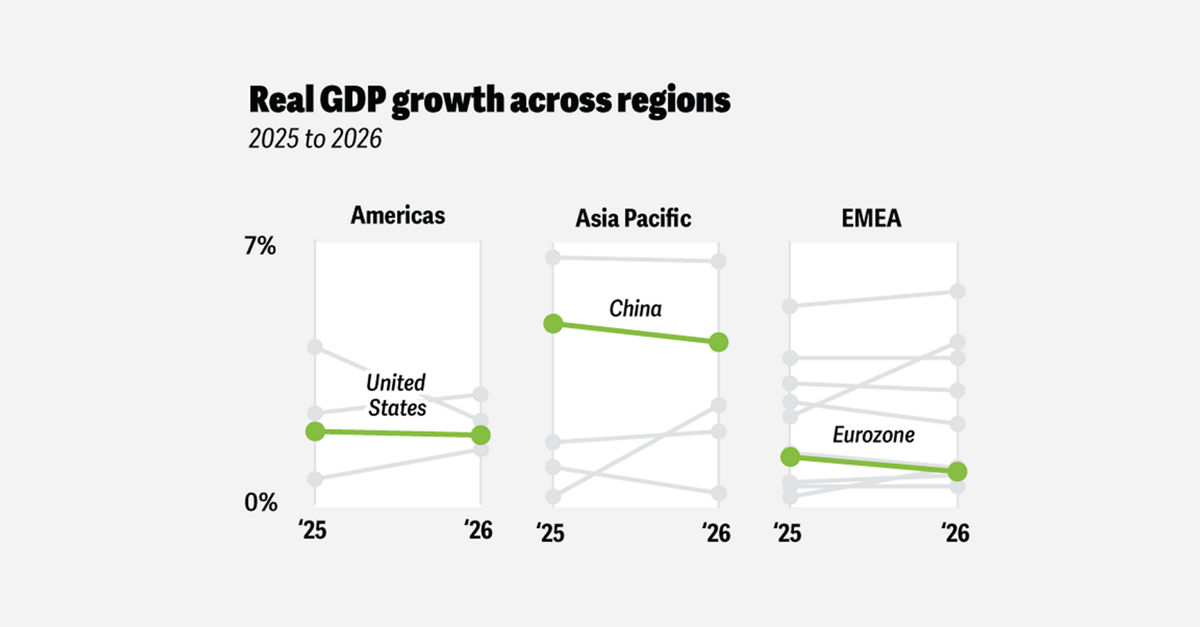

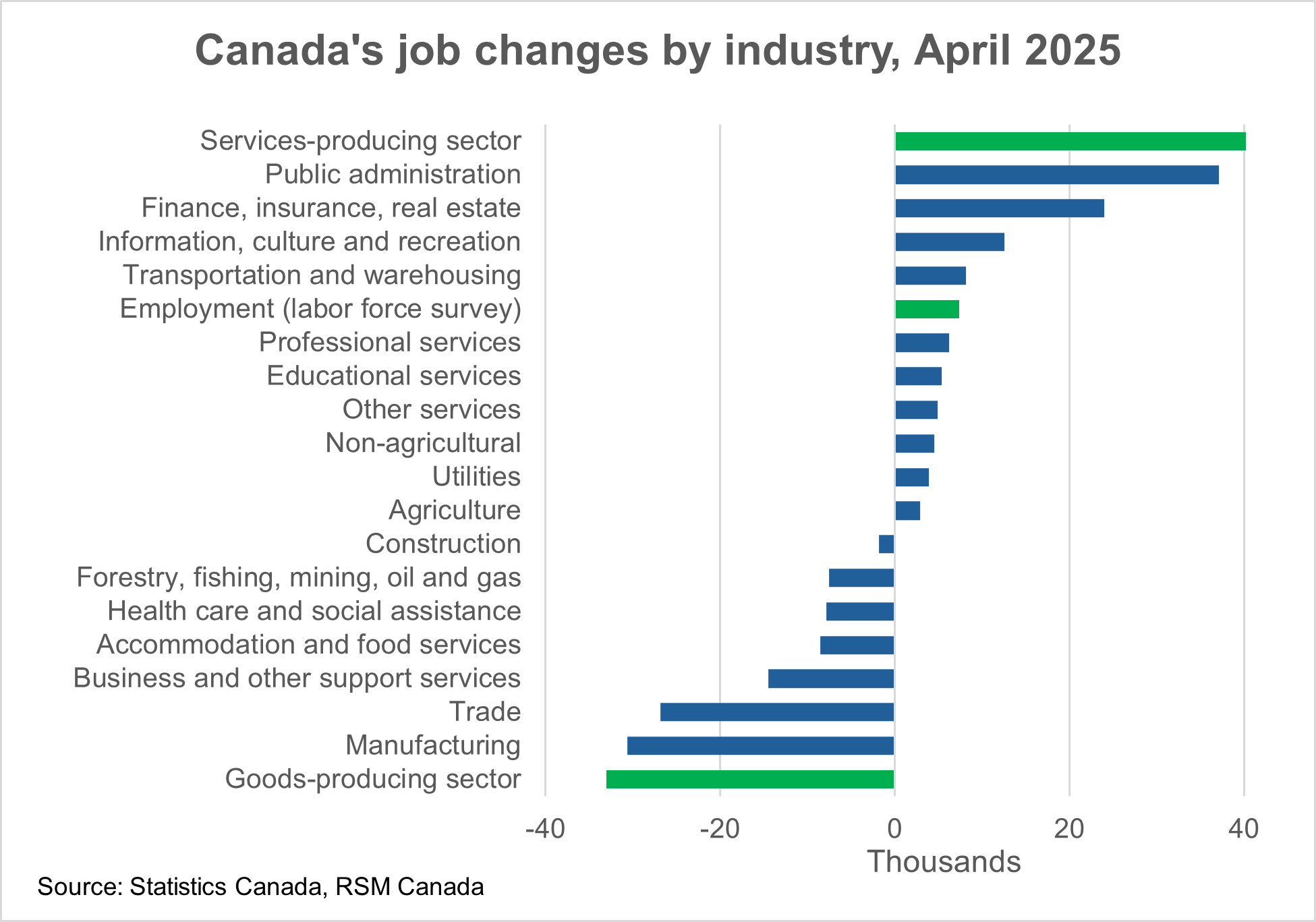
Yet beneath these economic gloom points lie notable green shoots. Ontario currently boasts the lowest provincial inflation rate in the country at 2.0% on a year-to-date, year-on-year basis, tracking well below the national average of 2.6% and other major provinces like Quebec and Alberta, as detailed by TD Economics. This tamer inflation backdrop has translated into rising inflation-adjusted wages, which provide vital near-term support for household spending alongside government support rollouts.
Housing affordability has also registered steady, if incremental, improvements. According to TD Economics, a combination of falling home prices, declining interest rates, and rising household incomes since late 2023 has revitalized resale housing momentum. This aligns with broader regional observations from Deloitte, which notes that lower interest rate environments are beginning to relieve pressure on households managing mortgage renewals, fostering a gradual recovery in housing markets.
| Region / Indicator | Inflation Rate | GDP / Economic Growth Outlook | Labor Market Conditions |
|---|---|---|---|
| Ontario (Canada) | 2.0% (lowest in Canada) | Subdued growth; lagging provincial peers | Unemployment above national average; labor force shrinking |
| United States | 2.6% (PCE index) | Resilient real GDP growth near 2.0% | Solid labor market; low historical unemployment |
| Mexico | 3.8% (projected year-end) | Projected recovery to 1.6% GDP growth | Formal job creation constrained by tariff tensions |
The broader North American economic climate continues to exert indirect pressures on Canadian supply chains and financial flows, as explored in Federal Reserve reports on recent economic developments. Meanwhile, global economic adjustments are reshaping trade corridors, with Deloitte emphasizing that restrictive U.S. Trade policies have pushed non-U.S. Nations closer together through alternative trade agreements. For a broader look at international financial developments, consult our coverage on U.S. Fiscal policy and global inflationary pressures, or explore our ongoing Business coverage.
What happens next for Ontario will depend heavily on external trade stability and upcoming policy milestones. Businesses and policymakers will be closely monitoring the fast-approaching July 2026 review of the CUSMA framework, which is expected to prompt significant bilateral negotiations without immediate trade pact exits. Domestically, the province will look to sustain its fiscal balance and keep debt-to-GDP ratios manageable while navigating capacity pressures, setting the stage for a potential economic rebound in the subsequent year if tariff risks do not escalate further.
How significant is this development?
Contribute your assessment to the aggregated reader sentiment ledger.
Frequently Asked Questions
Key questions answered in this reportWhat is the key development in: Ontario economy shows resilience amid tariff and housing headwinds?
Ontario navigates persistent trade and mortgage headwinds while benefiting from Canada's lowest inflation rate and incremental improvements in housing affordability.
Why is this Business development significant for the UK?
This report covers critical events in our Business beat. Independent reporting monitors related UK statements, regulatory shifts, and public responses as further verified details emerge.
How was this reporting corroborated and verified?
Newsarchy UK compiles and cross-references reporting from primary reporting from Deloitte and cross-checked wire reports. All coverage adheres to published editorial standards.
When was this report published?
This briefing was published on October 21, 2026 and is permanently cataloged in the Newsarchy UK Business archives.