Ottawa fast-tracks CRA tax rulings for billion-dollar investments
The federal government is prioritizing Canada Revenue Agency tax rulings for major investments of $1 billion or more to eliminate regulatory friction and attract foreign capital.

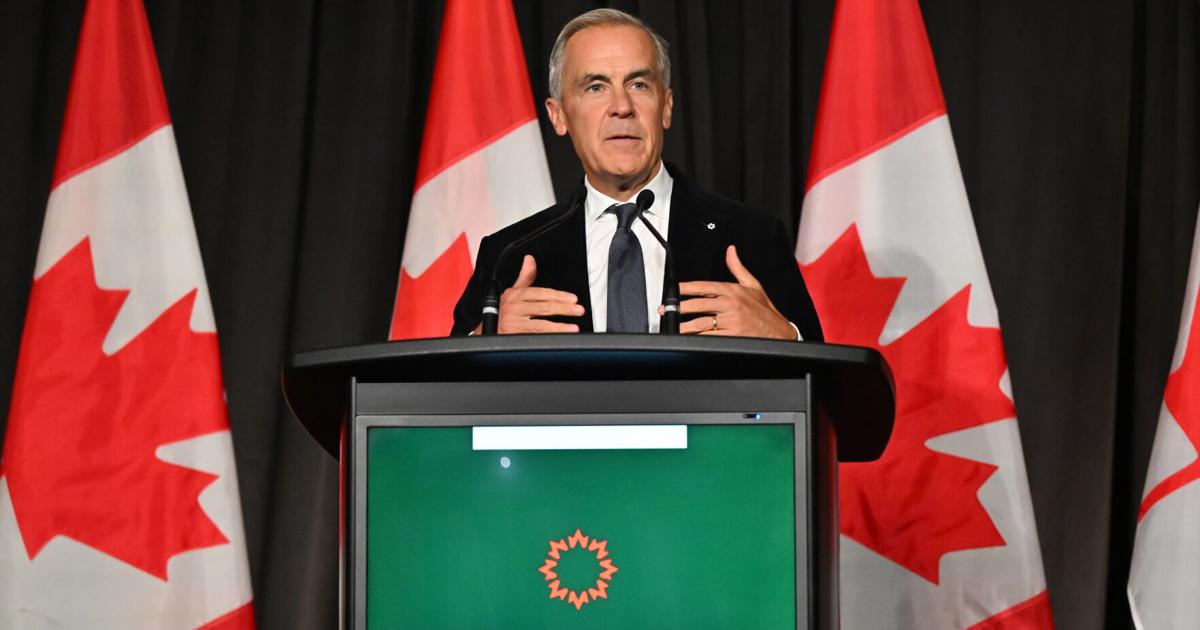
The federal government has moved to accelerate major commercial developments by streamlining tax rules as part of a sweeping economic push to draw foreign capital into domestic markets, according to Wealthprofessional. Prime Minister Mark Carney’s administration launched the Canada Investment Summit on Sept. 14, 2026, in Toronto, where officials introduced policy shifts aimed at addressing long-standing investor friction.
Under the policy change announced by Finance and National Revenue Minister François-Philippe Champagne, the Canada Revenue Agency will give priority treatment to advance income tax ruling requests tied to investments of $1 billion or more. According to reporting by the Toronto Star, this adjustment targets what experts identify as a primary deterrent for corporations operating in the country. Walid Hejazi, a professor of economic analysis and policy at the Rotman School of Management, told the Star that dealing with regulatory bureaucracy has traditionally represented the leading criticism of the domestic business environment.
Media additions

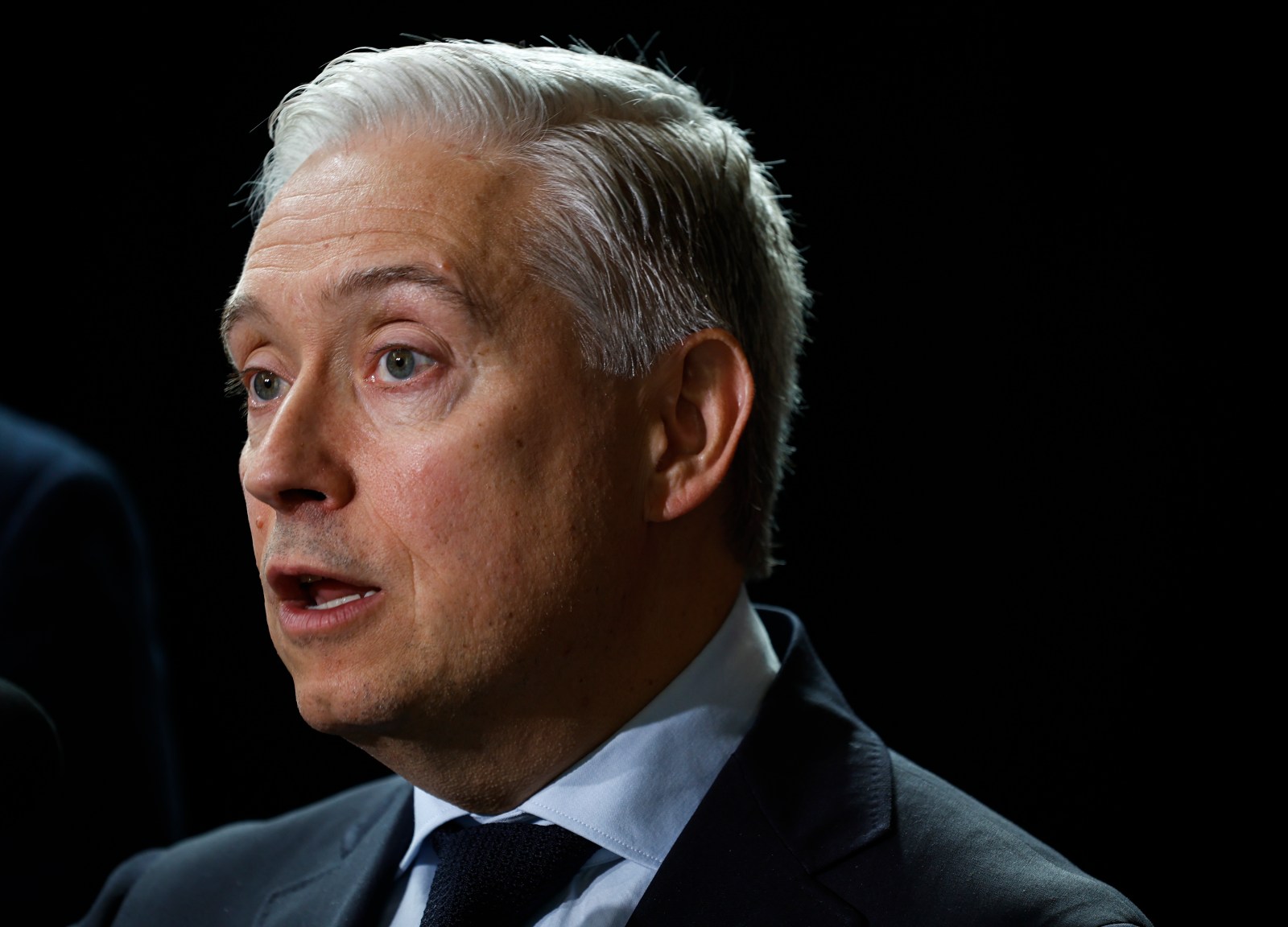
"These advance rulings are very, very important. They’re legally binding,"
Walid Hejazi, Professor, via Toronto Star
The standard business service window remains active for requests falling below the priority threshold, with government data showing that ninety-one percent of standard rulings were completed within that timeframe during the previous fiscal year. Alongside the federal tax adjustments, provincial leaders brought targeted incentives to the summit floor. Manitoba Premier Wab Kinew announced that his province will waive provincial sales capital taxes on major spending linked to the proposed Port of Churchill expansion, as reported by the Winnipeg Free Press. This regional exemption is designed to support the construction of a new energy corridor, liquefied natural gas facilities, and railway upgrades intended to facilitate year-round shipping.
| Entity / Project | Committed Capital or Target | Focus Sector |
|---|---|---|
| Federal Investment Goal | $1 trillion over 5 years | General Infrastructure and Public-Private Projects |
| TD Bank | $150 billion over 5 years | Energy, Critical Minerals, Defence, Aerospace, AI, Infrastructure |
| Scotiabank | $100+ billion | Financing and Underwriting for Key Industrial Sectors |
| Ontario Teachers' Pension Plan | $10 billion by end of 2027 | Canadian Public and Private Markets |
| Sun Life Financial | $5 billion over 5 years | Critical Infrastructure |
Financial institutions reinforced the federal push by unveiling substantial capital allocations. TD Bank committed $150 billion over five years toward strategic industries, while Scotiabank pledged more than $100 billion in financing and underwriting, CityNews Toronto noted. Concurrently, pension funds outlined plans to scale up domestic portfolios. Deb Orida, chief executive of the Public Sector Pension Investment Board, stated that the organization expects to lift total assets invested domestically above $100 billion through a thirty to forty percent increase, according to Wealthprofessional.
The summit prospectus places 167 projects before global institutional investors, covering sectors from data centres and liquefied natural gas to ports, mines and advanced manufacturing, as detailed by Wealthprofessional. Prime Minister Carney also indicated that his government is looking at funding from private investors for Canada’s four largest airports, an announcement made during the Canada Investment Summit on Sept. 15, 2026, according to Radio-Canada. Prime Minister Carney noted that while private funding would help pay for investments in smaller regional and remote airports, airport ownership of the land and assets would still belong to the government.
The developments have drawn varied perspectives from analysts and advocacy groups. John Aiken, an analyst at Jefferies Inc., noted that the central question remains whether Canada can convert more than $1 trillion of ambition, capital availability, and policy support into executable projects. Meanwhile, critics voiced strong opposition outside the venue. Nik Barry-Shaw of the Council of Canadians characterized the proceedings during a demonstration involving over 1,000 participants as a privatization initiative rather than a public investment summit, as reported by Wealthprofessional. Industry Minister Mélanie Joly defended the framework, emphasizing that national security safeguards under the Investment Canada Act remain non-negotiable.
Furthermore, provincial leaders like Saskatchewan Premier Scott Moe and Bell Canada CEO Mirko Bibic announced an expansion of Bell’s AI data centre project in Saskatchewan, estimated at over $50 billion in total capital investment according to a provincial news release cited by CityNews Toronto.
As the summit progresses, attention turns to how these policy frameworks and institutional pledges will be executed. Stakeholders will monitor the rollout of priority CRA rulings for billion-dollar proposals, the formalization of provincial tax exemptions for projects like the Port of Churchill, and potential legislative changes concerning infrastructure and housing development. Observers will also track whether the federal government advances ownership models for major airports while navigating public sentiment and the demands of global asset managers.



1733130350-0/Untitled-design-(76)1733130350-0-640x480.webp)