Sensex and Nifty close lower in historic Muhurat trading session loss
Indian stock markets recorded a historic downturn during the annual Diwali Muhurat Trading session, breaking a nine-year winning streak for the benchmark indices.

- Core Development: Indian stock markets recorded a historic downturn during the annual Diwali Muhurat Trading session, breaking a nine-year winning streak for the benchmark indices.
- Beat Context: Categorized under Business with independent corroboration.
- Reporting Depth: 3 minute analytical read synthesized from verified newsroom sources.
Indian stock markets recorded a historic downturn during the annual Diwali Muhurat Trading session on Sunday, November 8, 2026, breaking a nine-year winning streak for the benchmark indices. According to reporting from Moneycontrol, the special ceremonial session saw both the Sensex and Nifty surrender early advances to close in negative territory following the closing auction. The unexpected reversal marks the first time in nearly a decade that the auspicious Hindu New Year Samvat 2083 trading window has concluded with losses, confounding traditional expectations of holiday gains.
Initially, trading opened on an optimistic note. As outlined in primary coverage from The Economic Times, the equity market experienced sharp upward momentum during the early stages of the continuous trading window, which ran from 2:20 pm to 3:30 pm. The Sensex climbed by 350 points to surpass 81,380, while the Nifty 50 advanced over 80 points, supported by strong showings from index heavyweights such as Tata Steel, Sun Pharma, BEL, and HDFC Bank. Market breadth remained positive during the early phases, reflecting the traditional enthusiasm associated with Lakshmi Puja and the commencement of Samvat 2083.
Media additions
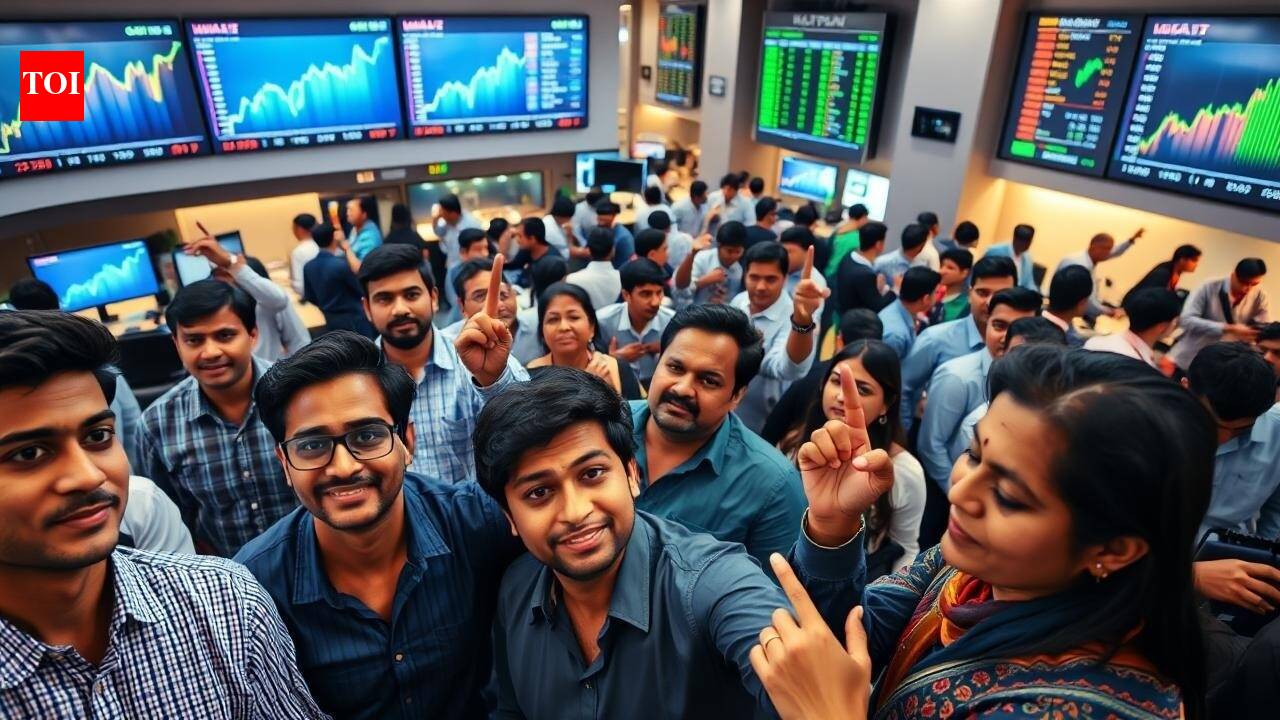
However, sentiment shifted dramatically as the session drew to a close. According to Moneycontrol, the benchmark indices gave up all initial gains immediately following the closing auction. When trading concluded at 3:31 pm IST, the Sensex had dropped 28.62 points, or 0.04 percent, to settle at 80,999.40. Simultaneously, the Nifty index fell 43.95 points, or 0.18 percent, to finish at 24,986.40. Despite the late-session downward pressure, major firms like Sun Pharma and Tata Steel managed to retain their positions among the top gainers of the day, contrasting with broader market trends.
| Benchmark Index | Opening/Early Peak Trend | Closing Level (Nov 8, 2026) | Net Change |
|---|---|---|---|
| Sensex | Surged past 81,380 (+350 points) | 80,999.40 | -28.62 points (-0.04%) |
| Nifty 50 | Crossed 23,100 (+80 points) | 24,986.40 | -43.95 points (-0.18%) |
The historic reversal comes on the heels of a volatile economic backdrop for Indian equities. While the broader market had entered the festive period buoyed by significant foreign portfolio investor inflows totaling ₹45,960 crore over a single week and a surging Nifty reclaiming the 25,000 mark ahead of Diwali, structural headwinds have persisted. Observers note that easing manufacturing momentum, food inflation, and fluctuating crude oil prices continue to pose challenges for the domestic economy, even as macroeconomic growth projections remain robust at over seven percent. Furthermore, domestic institutional investors sold ₹24,197 crore during the preceding period, balancing the heavy foreign purchases.
The session itself operates under specialized rules set by the Bombay Stock Exchange and the National Stock Exchange, which conducted continuous equity trading from 2:20 pm to 3:30 pm, alongside commodity sessions held by the Multi Commodity Exchange. Historically, the ceremonial session has provided strong returns, with the BSE Sensex closing higher in 11 of the last 15 special sessions, and 7 out of 10 times since 2012. Brokerages had offered various stock picks for the session, highlighting companies in banking, automobile, pharmaceutical, and large-cap sectors, though actual outcomes during the truncated hour remained subdued by the closing auction.
Market participants will now turn their attention to upcoming corporate disclosures, macroeconomic data releases, and global market signals. As Indian exchanges prepare for regular trading to resume following the upcoming market holidays—including the closure for Diwali-Balipratipada on Tuesday, November 10, 2026—investors are advised by analysts to maintain long-term strategies and focus on fundamental asset allocation rather than reacting impulsively to short-term festive volatility. Additional watch items for the coming week include October inflation data, US Treasury yields, and ongoing developments regarding crude oil and artificial intelligence stock corrections.
How significant is this development?
Contribute your assessment to the aggregated reader sentiment ledger.
Frequently Asked Questions
Key questions answered in this reportWhat is the key development in: Sensex and Nifty close lower in historic Muhurat trading session loss?
Indian stock markets recorded a historic downturn during the annual Diwali Muhurat Trading session, breaking a nine-year winning streak for the benchmark indices.
Why is this Business development significant for the UK?
This report covers critical events in our Business beat. Independent reporting monitors related UK statements, regulatory shifts, and public responses as further verified details emerge.
How was this reporting corroborated and verified?
Newsarchy UK compiles and cross-references reporting from primary reporting from Moneycontrol.com and cross-checked wire reports. All coverage adheres to published editorial standards.
When was this report published?
This briefing was published on November 8, 2026 and is permanently cataloged in the Newsarchy UK Business archives.