Shell profits double to nearly $10bn on jump in oil and gas prices
Shell's net profits more than doubled to nearly $10bn, driven by surging wholesale energy prices amid ongoing conflict in the Middle East.
- Core Development: Shell's net profits more than doubled to nearly $10bn, driven by surging wholesale energy prices amid ongoing conflict in the Middle East.
- Beat Context: Categorized under Business with independent corroboration.
- Reporting Depth: 4 minute analytical read synthesized from verified newsroom sources.
Europe’s biggest oil and gas company, Shell, has posted its second-highest quarterly earnings on record after net profits more than doubled. The earnings surge comes as wholesale energy prices climb amid ongoing conflict in the Middle East, sparking renewed calls from environmental campaigners for a windfall tax to support struggling households.
The energy giant reported net profits reaching nearly $10bn for the three months to June, propelled by extreme market volatility and soaring global commodity prices. According to The Guardian, the company's net profit hit $9.8bn, while Heraldscotland noted the figure at $9.4bn, with both outlets confirming the total more than doubled the earnings from the same period last year.
Media additions


The financial windfall follows severe disruption to global energy markets triggered by the war in Iran. The conflict began in late February after United States and Israeli attacks on Iran, leading to an effective de facto closure of the Strait of Hormuz. Because roughly one-fifth of the world's oil supply and a quarter of its liquefied natural gas pass through the narrow waterway, the blockade sent international benchmark Brent crude climbing from its January lows to highs near $126 a barrel at the end of April. Although peace talks sparked brief optimism, tensions have flared anew following warnings from both the US and Iran that diplomatic resolutions remain premature. Brent crude recently broke above $100 before settling above the $90 threshold.
Despite the broader market tailwinds, Shell experienced direct operational disruptions from the hostilities. Iranian drones and missile strikes in March damaged the Pearl gas-to-liquids plant in Qatar — partly owned by Shell — halting production entirely at the site and affecting other local LNG facilities. Consequently, Shell recorded a 30 per cent drop in integrated gas production compared with the same period a year prior.
However, the company more than offset those lost volumes through aggressive global trading and high market prices. Shell’s liquefied natural gas business grew substantially, while its chemicals and products division, home to its oil trading desk, reported its highest quarterly profit since the year 2021. Capitalising on the market swings, Shell announced it would continue its multi-billion-dollar quarterly share buyback programme, returning substantial sums to shareholders alongside heavy dividend payouts.
The timing of the earnings report has intensified political and environmental scrutiny across the business sector. Shell’s chief executive, Wael Sawan, is expected to meet with Britain’s new prime minister, Andy Burnham, to urge government backing for continued North Sea project development. Sawan told CNBC that the company hopes to schedule discussions soon to navigate difficult waters and support the domestic economy.
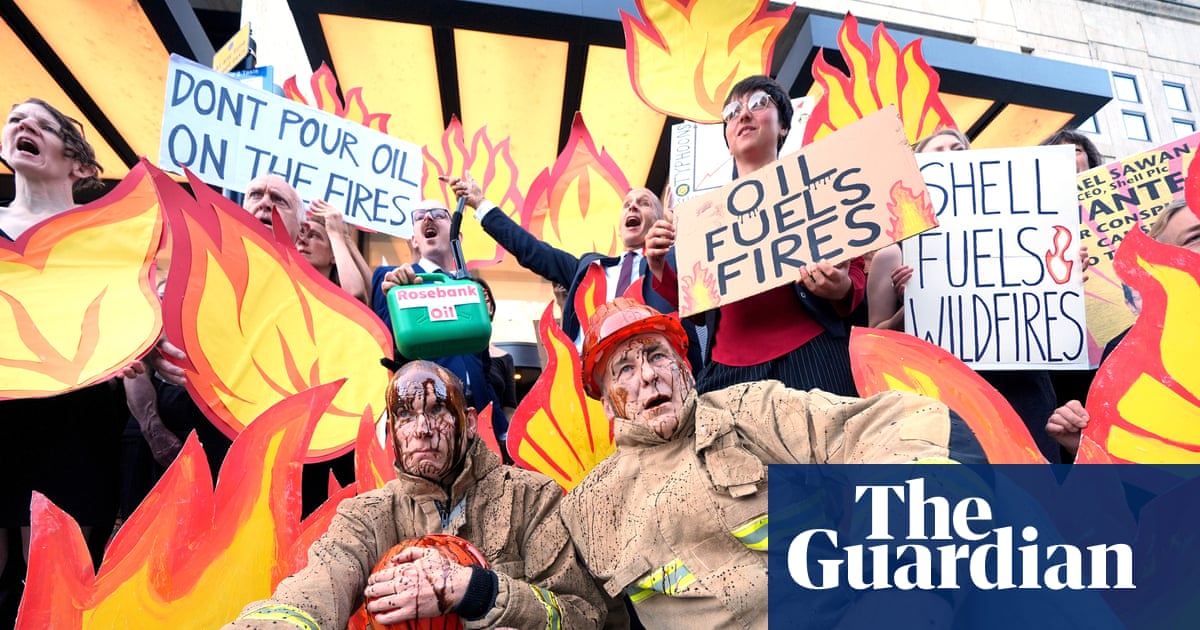
Campaign groups reacted with fury to the profit figures, pointing to simultaneous climate crises across the globe, including extreme droughts, heatwaves, and wildfires in Europe. Robert Palmer, deputy director at Uplift, condemned the company's financial results as maniacal behaviour
in remarks reported by The Guardian and Heraldscotland, urging the government to halt the controversial Rosebank oil and gas field. Greenpeace political campaigner Rudy Schulkind similarly criticized the earnings as an obscenity built on a volatile business model. Meanwhile, Oxfam Scotland advocacy adviser Katherine May argued that fossil fuel giants continue to cash in while families struggle with rising food and utility bills.
Key Factors Behind Shell's Earnings Surge
- Net profits more than doubled compared to the same period last year, reaching near-record levels.
- Wholesale energy prices spiked following the effective closure of the Strait of Hormuz.
- Shell's trading desk and LNG divisions successfully offset a 30 per cent drop in gas production caused by military strikes on infrastructure in Qatar.
- The company maintained its bumper share buyback programme and significant shareholder payouts.
The debate over the energy sector's societal impact is further compounded by wider industry trends. Rival energy firm BP has reportedly warned staff about potential future oversupply leading to lower market prices, setting out plans to cut hundreds of jobs globally in a streamlining effort.
As the UK Government weighs future fossil fuel approvals, campaigners are demanding that authorities implement a windfall tax on major energy producers to fund household cost-of-living relief and accelerate the green energy transition.
Shell shares rose in early trading following the financial disclosure. Market watchers will be closely monitoring the pending talks between Downing Street and Shell leadership, alongside any subsequent regulatory decisions regarding North Sea drilling licenses and potential windfall taxation measures.
How significant is this development?
Contribute your assessment to the aggregated reader sentiment ledger.
Frequently Asked Questions
Key questions answered in this reportWhat is the key development in: Shell profits double to nearly $10bn on jump in oil and gas prices?
Shell's net profits more than doubled to nearly $10bn, driven by surging wholesale energy prices amid ongoing conflict in the Middle East.
Why is this Business development significant for the UK?
This report covers critical events in our Business beat. Independent reporting monitors related UK statements, regulatory shifts, and public responses as further verified details emerge.
How was this reporting corroborated and verified?
Newsarchy UK compiles and cross-references reporting from primary reporting from theguardian.com and cross-checked wire reports. All coverage adheres to published editorial standards.
When was this report published?
This briefing was published on July 30, 2026 and is permanently cataloged in the Newsarchy UK Business archives.