Reserve Bank of Australia survey reveals widespread public confusion over interest rates
A comprehensive Reserve Bank of Australia survey reveals widespread public misunderstanding regarding interest rates, with most citizens unclear on how monetary policy fights inflation.

- Core Development: A comprehensive Reserve Bank of Australia survey reveals widespread public misunderstanding regarding interest rates, with most citizens unclear on how monetary policy fights inflation.
- Beat Context: Categorized under Business with independent corroboration.
- Reporting Depth: 4 minute analytical read synthesized from verified newsroom sources.
A comprehensive survey released by the Reserve Bank of Australia has exposed widespread public misunderstanding regarding the central bank's core economic functions, revealing that a majority of citizens remain confused about how monetary policy controls inflation. The findings emerge at a critical juncture for the national economy, arriving just as the central bank implements consecutive interest rate increases to combat stubborn price pressures, according to Realestate reporting. With households grappling with elevated borrowing costs and global geopolitical instability, the widening knowledge gap threatens to undermine the effectiveness of monetary interventions.
The survey of thousands of Australians over the course of recent years demonstrates that while inflation remains the public's primary economic anxiety, public comprehension of the tools used to combat it is alarmingly low. According to The Conversation, only twenty-five per cent of respondents accurately answered that higher interest rates reduce inflation. More than half of those surveyed held the opposite view, believing that rising interest rates actively fuel inflation, while the remainder expressed uncertainty. Economists warn that such widespread misconceptions risk entrenching inflationary expectations among consumers, making the central bank's inflation-targeting mandate considerably more difficult to achieve.
Media additions
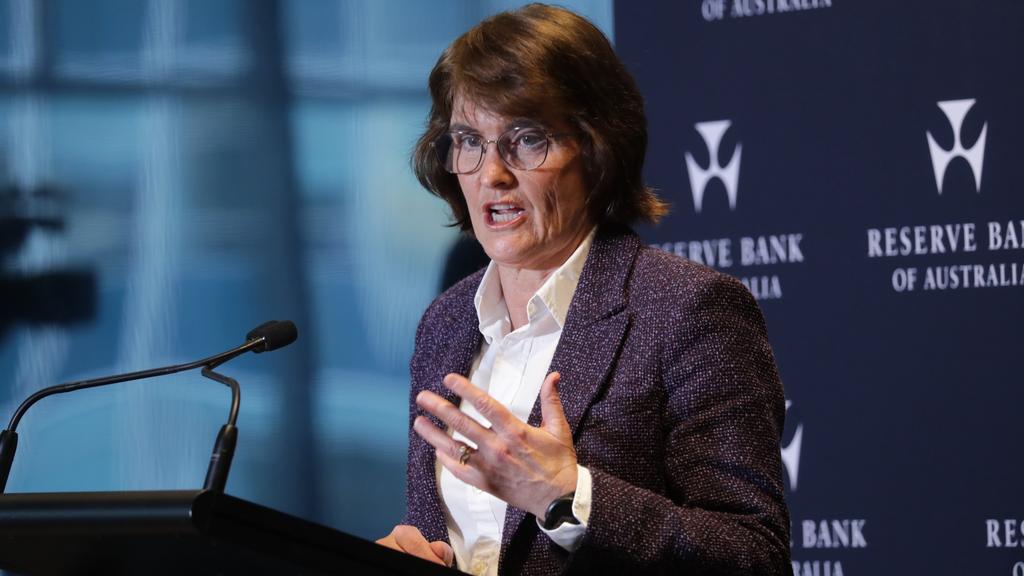
Compounding the confusion, the research uncovered significant public misperceptions regarding the institutional responsibilities of the central bank. While a solid majority correctly identified that the RBA establishes the policy cash rate, nearly sixty per cent of respondents incorrectly assumed the central bank still regulates commercial banks—a duty transferred to the Australian Prudential Regulation Authority decades ago. Furthermore, approximately half of those surveyed believed the RBA controls the exchange rate, and a third erroneously credited the central bank with setting tax rates, which remains exclusively within the purview of the federal government, as highlighted by The Conversation.
RBA Governor Michele Bullock addressed the communication hurdle directly during public remarks, conceding that the monetary authority must enhance its public outreach. The Conversation noted Governor Bullock's admission that the bank needs to do a better job of explaining economic mechanisms in plain language. Despite these knowledge gaps, the survey reported that the institution retains relatively high public standing regarding its integrity and fact-based decision-making, comparing favourably against political figures.
The timing of the survey's publication coincides with intense volatility in monetary policy and financial markets. Following a series of economic pressures, the RBA board lifted the cash rate, a move documented in live coverage by realestate.com.au. The decision reflected mounting concern over domestic capacity constraints, strong economic growth, and external shocks stemming from conflict in the Middle East. Major financial institutions have adjusted their forecasts accordingly, shifting away from anticipated rate cuts toward prolonged periods of monetary restriction.
The big four major banks have offered varying trajectories for the cash rate amid shifting economic indicators:
| Institution | Rate Outlook / Forecast | Notable Term Deposit Adjustments |
|---|---|---|
| Westpac | Anticipates the cash rate to hold steady for the foreseeable future, moving away from previous cuts | Adjusted term deposit offerings to 4.10% for a 12-month term |
| CBA | Predicts potential cash rate hikes amid stronger-than-expected economic growth | Adjusted term deposit offerings in response to recent market shifts |
| NAB | Forecasts upward pressure on the cash rate driven by persistent domestic inflation | Adjusted term deposit offerings alongside broader market trends |
| ANZ | Foreshadows restrictive monetary policy, holding the highest short-term deposit rate at 4.25% for eight months | Maintains competitive short-term deposit positioning |
As reported by Nine, market strategists note that the abrupt shift in central bank posture has forced mortgage holders to abandon hopes of imminent relief. Concurrently, savers are experiencing improved returns as financial institutions lift term deposit rates to compete for capital in a tighter liquidity environment. The interplay between aggressive monetary tightening and public misunderstanding of these dynamics creates a complex backdrop for households trying to navigate their personal finances.
In federal politics, the pressure is mounting on Treasurer Jim Chalmers and Prime Minister Anthony Albanese to deliver structural reforms that can alleviate the structural drivers of inflation. According to The Sydney Morning Herald, upcoming budget deliberations will serve as a definitive test of the government's willingness to pursue productivity-enhancing measures. Without coordinated fiscal restraint and supply-side reforms, economists warn that the central bank will be forced to rely exclusively on interest rate hikes to cool domestic demand.
Observers will be watching closely as economic data unfolds ahead of the federal budget. For domestic mortgage holders, the immediate future remains tied to upcoming inflation prints and the central bank's subsequent policy meetings.
How significant is this development?
Contribute your assessment to the aggregated reader sentiment ledger.
Frequently Asked Questions
Key questions answered in this reportWhat is the key development in: Reserve Bank of Australia survey reveals widespread public confusion over interest rates?
A comprehensive Reserve Bank of Australia survey reveals widespread public misunderstanding regarding interest rates, with most citizens unclear on how monetary policy fights inflation.
Why is this Business development significant for the UK?
This report covers critical events in our Business beat. Independent reporting monitors related UK statements, regulatory shifts, and public responses as further verified details emerge.
How was this reporting corroborated and verified?
Newsarchy UK compiles and cross-references reporting from primary reporting from realestate.com.au and cross-checked wire reports. All coverage adheres to published editorial standards.
When was this report published?
This briefing was published on September 20, 2026 and is permanently cataloged in the Newsarchy UK Business archives.