Singapore core inflation rises to 1.6 percent in June
Singapore's core inflation increased to 1.6 percent in June as consumer prices rose across food, services, and retail sectors. Analysts are currently weighing these figures against the central bank's potential policy outlook.
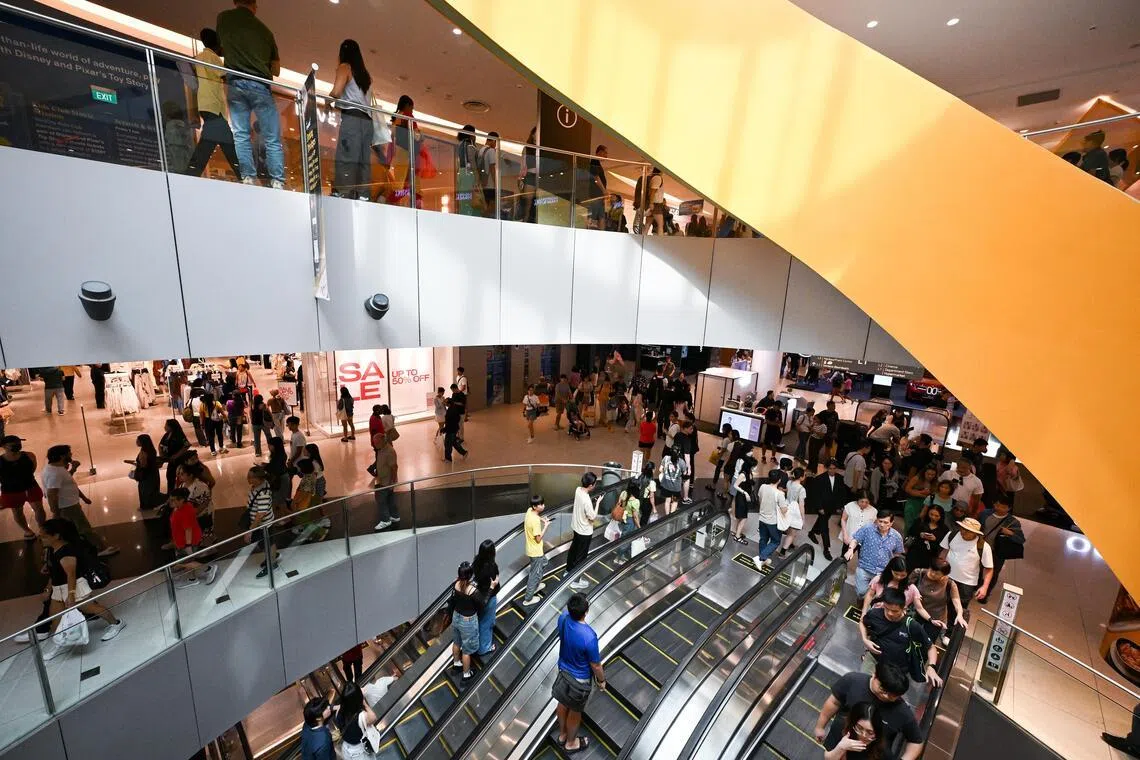
- Core Development: Singapore's core inflation increased to 1.6 percent in June as consumer prices rose across food, services, and retail sectors. Analysts are currently weighing these figures against the central bank's potential policy outlook.
- Beat Context: Categorized under Business with independent corroboration.
- Reporting Depth: 3 minute analytical read synthesized from verified newsroom sources.
Singapore’s core inflation rate increased to 1.6 per cent in June 2026, according to official data released on Thursday, 23 July 2026. This figure, which excludes the typically volatile costs of private transport and accommodation, rose from 1.4 per cent in May. The increase follows a period of observation during which economists polled by Bloomberg had forecast a slightly higher rise to 1.7 per cent.
The Monetary Authority of Singapore (MAS) and the Ministry of Trade and Industry (MTI) confirmed in a joint statement that the overall consumer price index inflation also saw a rise, reaching 1.9 per cent in June compared to 1.8 per cent in May. Officials attributed this broader increase to the combined effects of the core inflation pickup and a rise in accommodation costs, which moved to 0.6 per cent from 0.5 per cent in May, driven by higher housing rents.
The data highlights a multi-sector increase in costs. Food inflation climbed to 2.1 per cent from 1.8 per cent in May, as prices for both non-cooked items and food services grew at a faster pace. Services inflation rose to 1.5 per cent from 1.3 per cent, influenced by more expensive airfares and holiday costs. Additionally, retail and other goods inflation reached 1.7 per cent, rising from 1.6 per cent in May due to larger price increases for furniture and recreational goods.
Private transport inflation, a volatile category, dipped slightly to 8.4 per cent in June from 8.6 per cent in May, a moderation attributed to a smaller increase in petrol prices. Electricity and gas prices saw a marginal deceleration in their decline, falling by 2.9 per cent in June compared to the 3 per cent decrease recorded in May.
Energy costs and future supply risks
Government agencies have cautioned that the full impact of global energy price volatility has not yet been felt by local consumers. Because regulated electricity tariffs for a given quarter are calculated based on natural gas prices from the first two-and-a-half months of the preceding quarter, the higher energy costs observed between April and mid-June 2026 are slated to influence electricity tariffs starting in July.
Authorities remain concerned about imported costs and the potential for persistent supply chain challenges. In their joint statement, the MAS and MTI warned of the risks posed by global logistics and energy supplies:
"A slower-than-expected resumption in global energy supplies or continued shortages in key intermediate inputs to regional supply chains could further raise imported costs for Singapore."
The agencies noted that downside risks exist, such as a stronger-than-expected tightening in global financial conditions that could slow economic activity and dampen inflation. On the domestic front, officials noted that services unit labour costs are likely to increase at a slower pace this year as nominal wage growth eases compared to the previous year.
Policy implications and market response
Market analysts have begun to reassess the outlook for monetary policy. Zavier Wong, a market analyst at eToro, stated that the June data effectively counters the "softer" reading from May, which had previously provided policymakers with room to consider a pause. According to Wong, the pickup in inflation pressures challenges the case for easing policy.
Conversely, Edward Lee, chief economist and head of foreign exchange for ASEAN and South Asia at Standard Chartered, maintains that the MAS is likely to hold its current stance while keeping a "tightening bias." Lee pointed to escalating disruptions in the Strait of Hormuz and the Red Sea as factors that have raised energy and freight costs, creating renewed upside risks to imported inflation. However, he noted that domestic price pressures remain broadly contained, suggesting the MAS may wait for greater clarity before reacting to external shocks.
Despite the current fluctuations, the government has maintained its forecast that both core and overall inflation will average between 1.5 per cent and 2.5 per cent for the full year of 2026.
How significant is this development?
Contribute your assessment to the aggregated reader sentiment ledger.
Frequently Asked Questions
Key questions answered in this reportWhat is the key development in: Singapore core inflation rises to 1.6 percent in June?
Singapore's core inflation increased to 1.6 percent in June as consumer prices rose across food, services, and retail sectors. Analysts are currently weighing these figures against the central bank's potential policy outlook.
Why is this Business development significant for the UK?
This report covers critical events in our Business beat. Independent reporting monitors related UK statements, regulatory shifts, and public responses as further verified details emerge.
How was this reporting corroborated and verified?
Newsarchy UK compiles and cross-references reporting from primary reporting from asiaone.com and cross-checked wire reports. All coverage adheres to published editorial standards.
When was this report published?
This briefing was published on July 23, 2026 and is permanently cataloged in the Newsarchy UK Business archives.