Ride-hailing platforms extend temporary fees on rides until Sep 30
Major ride-hailing operators in Singapore are maintaining driver-fee surcharges to support drivers as fuel prices remain elevated due to global instability.
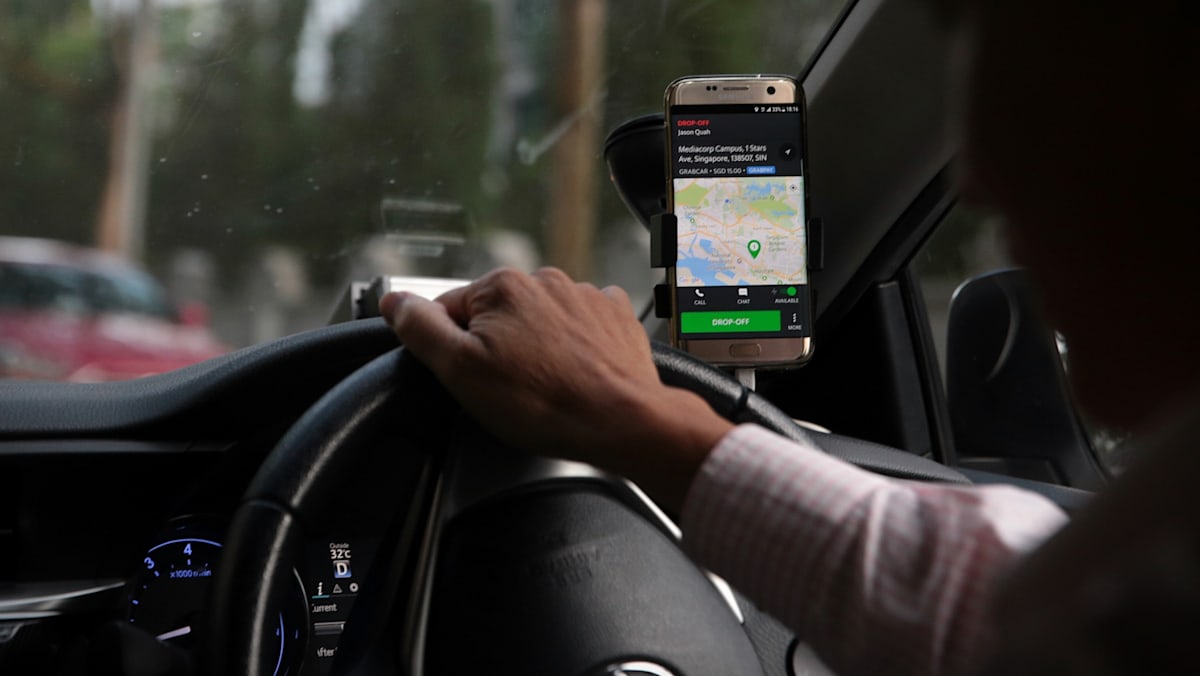
- Core Development: Major ride-hailing operators in Singapore are maintaining driver-fee surcharges to support drivers as fuel prices remain elevated due to global instability.
- Beat Context: Categorized under Business with independent corroboration.
- Reporting Depth: 3 minute analytical read synthesized from verified newsroom sources.
Commuters in Singapore will keep paying an extra surcharge on ride‑hailing trips until the end of September, as Grab, Gojek, ComfortDelGro’s CDG Zig and Tada confirm they are extending the temporary driver‑fee measures first introduced earlier this year.
Fuel‑price backdrop
Fuel prices have stayed high since the conflict that began in the Middle East in late February, when the war on Iran started. Online marketplace Motorist Singapore recorded 95‑octane petrol ranging from S$3.36 to S$3.37 per litre on a Thursday in July, compared with S$2.87 to S$2.88 per litre on 23 February, before the regional upheaval.
Media additions
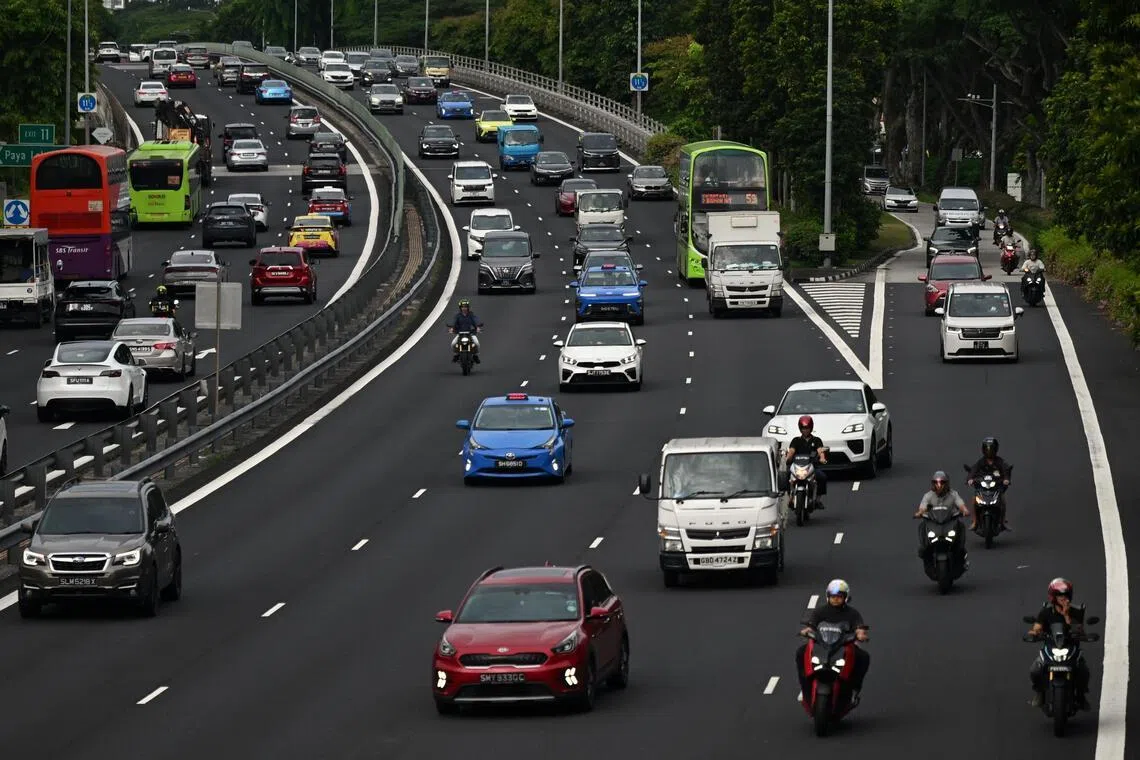
The same day, oil markets saw a rise of more than 1.5 per cent, hitting a six‑week high after the United States launched a new round of strikes and Yemen’s Houthis targeted tankers in the Red Sea.
How the surcharges work
- Grab keeps a S$0.90 fuel surcharge on all transport bookings, but it does not apply to standard and metered taxi rides. The surcharge was first raised on 7 April and was then extended to 31 July before the latest September extension.
- Gojek applies a temporary driver fee of S$0.90 to every trip, regardless of distance. The company announced the adjustment in April.
- Tada charges S$0.90 for rides costing up to S$18 and S$1.20 for trips priced at S$18.10 or more. This “fuel support” fee was also introduced in April.
- ComfortDelGro (CDG Zig) levies a driver fee of S$0.50 for fares below S$15 and S$0.80 for fares of S$15 or above. The fee, first rolled out on 24 March, covers bookings made through the CDG Zig app, cross‑border rides, limousine services and hourly trips.
In addition, ComfortDelGro will retain a one‑cent increase in its distance‑based rate until 30 September. A Toyota Prius cab, for example, will still charge 27 cents for every 400 m travelled on trips under 10 km.
Why the fees stay
The National Private Hire Vehicles Association (NPHVA) said the extensions follow “continued engagement with platform operators on drivers’ expenses and operating costs.” The association, which represents private‑hire drivers for point‑to‑point services, highlighted that the fees are “passed on fully to drivers and do not attract platform commission.”
“Importantly, these fees are passed on fully to drivers and do not attract platform commission.”
National Private Hire Vehicles Association, via Channel News Asia
The NPHVA added that it will keep regular dialogue with the platforms to monitor fuel trends and push for “practical measures” that support drivers on the ground.
Other players in the market
Ryde, another ride‑hailing service, also imposes an extra 50 cent charge on rides. That base‑fare support fee, first introduced in 2022, was extended in 2025 and is set to run through the end of 2027.
Timeline of actions
- April 2022 – driver‑fee measures first introduced across platforms.
- 24 March 2024 – ComfortDelGro launches the S$0.50/S$0.80 driver fee.
- April 2024 – Grab raises its surcharge to S$0.90; Gojek and Tada roll out their own S$0.90 (and S$1.20 for Tada) fees.
- 7 April 2024 – Grab initially extends the surcharge to 31 July.
- 22 July 2024 – NPHVA posts on Facebook that all four platforms will keep the fees until 30 September.
What to watch
- Regulatory monitoring: The NPHVA says it will keep engaging operators to track fuel price movements and assess whether further practical measures are needed.
- Industry response: Ryde’s separate 50‑cent support fee, already set to run until 2027, provides a contrast to the temporary extensions adopted by the other platforms.
How significant is this development?
Contribute your assessment to the aggregated reader sentiment ledger.
Frequently Asked Questions
Key questions answered in this reportWhat is the key development in: Ride-hailing platforms extend temporary fees on rides until Sep 30?
Major ride-hailing operators in Singapore are maintaining driver-fee surcharges to support drivers as fuel prices remain elevated due to global instability.
Why is this Business development significant for the UK?
This report covers critical events in our Business beat. Independent reporting monitors related UK statements, regulatory shifts, and public responses as further verified details emerge.
How was this reporting corroborated and verified?
Newsarchy UK compiles and cross-references reporting from primary reporting from straitstimes.com and cross-checked wire reports. All coverage adheres to published editorial standards.
When was this report published?
This briefing was published on July 23, 2026 and is permanently cataloged in the Newsarchy UK Business archives.