Midland Metropolitan University Hospital A&E wait hits six hours
Emergency department waiting times at Midland Metropolitan University Hospital have stretched past six hours, with live trackers recording waits of approximately 387 minutes.

- Core Development: Emergency department waiting times at Midland Metropolitan University Hospital have stretched past six hours, with live trackers recording waits of approximately 387 minutes.
- Beat Context: Categorized under NHS with independent corroboration.
- Reporting Depth: 4 minute analytical read synthesized from verified newsroom sources.
Patients seeking urgent medical help in the West Midlands have faced severe delays as emergency department waiting times at the flagship Midland Metropolitan University Hospital stretched past six hours. Live tracker snapshots recorded the current longest wait time at approximately 387 minutes, highlighting acute pressures on the region's newest facility. According to trust information, the figures relate to the longest length of time a non-admitted patient waits to be seen by a doctor or nurse practitioner after arriving at the emergency department.
Operating under the Sandwell and West Birmingham NHS Trust, the 736-bed acute hospital is located on Grove Lane in Smethwick. Opened to replace emergency services previously operated by older facilities including Sandwell General Hospital and Birmingham City Hospital, the hospital serves roughly 530,000 residents across Sandwell and west Birmingham. The site features a purpose-built 24/7 adult emergency department alongside a separate dedicated children's emergency department for patients under sixteen.
Media additions
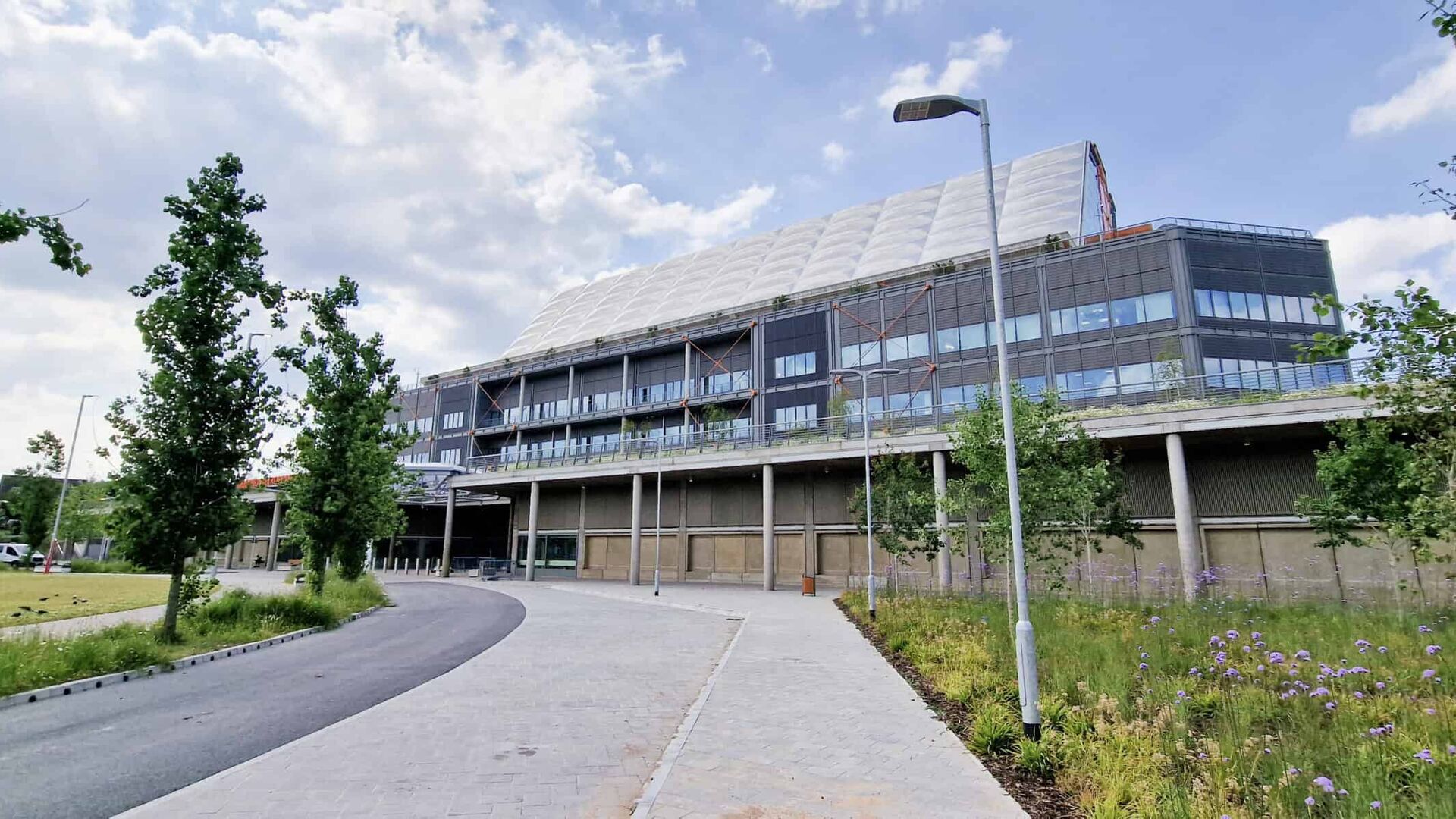

The emergency department operates distinct streams for patients. These include majors for serious or life-threatening adult cases such as chest pain, suspected stroke, heavy bleeding, severe breathing difficulty, and major injury; minors for adults with non-life-threatening urgent problems like sprains, suspected fractures, minor head injuries, cuts, and infections; and the separate children's emergency department. Despite these specialized streams, live data feeds recorded extended waits, reflecting intense strain on local services.
The pressures at Midland Met reflect broader systemic challenges across the region's health network. Performance reports presented to the NHS Birmingham and Solihull and Black Country Joint ICB Cluster Board showed that four-hour standard performance across local hospital trusts remains below national benchmarks. In Birmingham and Solihull, hospital A&Es achieved 73.14 per cent of patients being seen within four hours, remaining behind the target. In the Black Country, the four-hour waiting time performance remained at 78.2 per cent.
In response to mounting hospital congestion, medical staff across Sandwell and west Birmingham have increasingly adopted community-led care models. Health specialists are sent directly into patients' homes to manage conditions such as heart problems, respiratory issues, and frailty. George Tonks, a patient from Edgbaston, praised the home treatment he received for fluid on his lungs and heart problems.
Proponents of these virtual wards argue that treating vulnerable patients in familiar environments reduces the risks of hospital-acquired infections and falls, while simultaneously alleviating pressure on physical beds."I can't believe how good it's been actually. It seems as if everybody's been falling over themselves to do something or other for me,"
George Tonks, Patient, via BBC
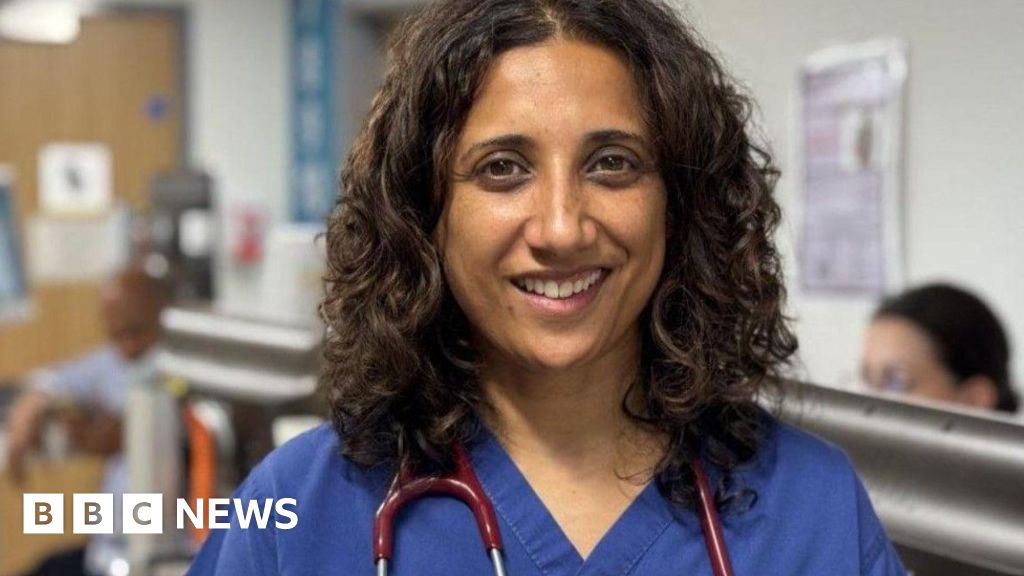
Dr Sarb Clare, an acute medical consultant, noted that the Sandwell and West Birmingham Hospitals NHS Trust reduced its number of beds by 100 and instead invested in treating people at home and in the community.
Dr Sharjeel Kiani added that avoiding hospital admissions protects vulnerable individuals from falls, deliriums, and hospital-acquired infections. At the Smethwick hospital's emergency department, palliative care specialist Dr Mike Blaber explained that virtual wards span paediatric, respiratory, cardiology, and frailty specialties with professionals visiting patients at home."The patients absolutely love it – the fact they get to see a doctor in their own homes, we are going back full circle, aren't we?"
Dr Sarb Clare, Acute Medical Consultant, via BBC
| Trust / Hospital Site | Key Performance Indicator | Reported Figure / Status |
|---|---|---|
| Sandwell and West Birmingham NHS Trust (Midland Metropolitan University Hospital) | Current Longest A&E Wait | Approx. 387 minutes (live tracker snapshot) |
| Birmingham and Solihull (BSOL) A&Es | Patients seen within 4 hours | 73.14 per cent |
| Black Country A&Es | Patients seen within 4 hours | 78.2 per cent |
Patients seeking guidance for non-life-threatening concerns are advised to utilize NHS 111 online, call NHS 111, or speak with a local pharmacist before traveling to emergency departments. As local health boards continue to manage emergency demand, attention remains focused on whether community care initiatives can successfully reduce the heavy reliance on hospital emergency departments.
How significant is this development?
Contribute your assessment to the aggregated reader sentiment ledger.
Frequently Asked Questions
Key questions answered in this reportWhat is the key development in: Midland Metropolitan University Hospital A&E wait hits six hours?
Emergency department waiting times at Midland Metropolitan University Hospital have stretched past six hours, with live trackers recording waits of approximately 387 minutes.
Why is this NHS development significant for the UK?
This report covers critical events in our NHS beat. Independent reporting monitors related UK statements, regulatory shifts, and public responses as further verified details emerge.
How was this reporting corroborated and verified?
Newsarchy UK compiles and cross-references reporting from primary reporting from BBC and cross-checked wire reports. All coverage adheres to published editorial standards.
When was this report published?
This briefing was published on October 1, 2026 and is permanently cataloged in the Newsarchy UK NHS archives.