Trump calls for interest rate cut after jobs figures raise hike bets
Trump calls for interest rate cut after jobs figures raise hike bets

- Core Development: Trump calls for interest rate cut after jobs figures raise hike bets
- Beat Context: Categorized under Business with independent corroboration.
- Reporting Depth: 5 minute analytical read synthesized from verified newsroom sources.
Strong August payroll numbers have thrust the Federal Reserve into a new round of market speculation, while former president Donald Trump used the same data to demand a cut in borrowing costs before the September policy meeting. The clash of narratives matters because the Fed’s next move will shape everything from mortgage rates to corporate financing at a time when households are already feeling the squeeze of higher energy prices.
The Labor Department reported an addition of 162,000 jobs in August, nearly triple the 56,000 analysts had projected. The surge came mostly from hospitality venues and local‑government education hires, “driven by a boost in hospitality and education hiring,” according to the Finance Yahoo story.
Media additions
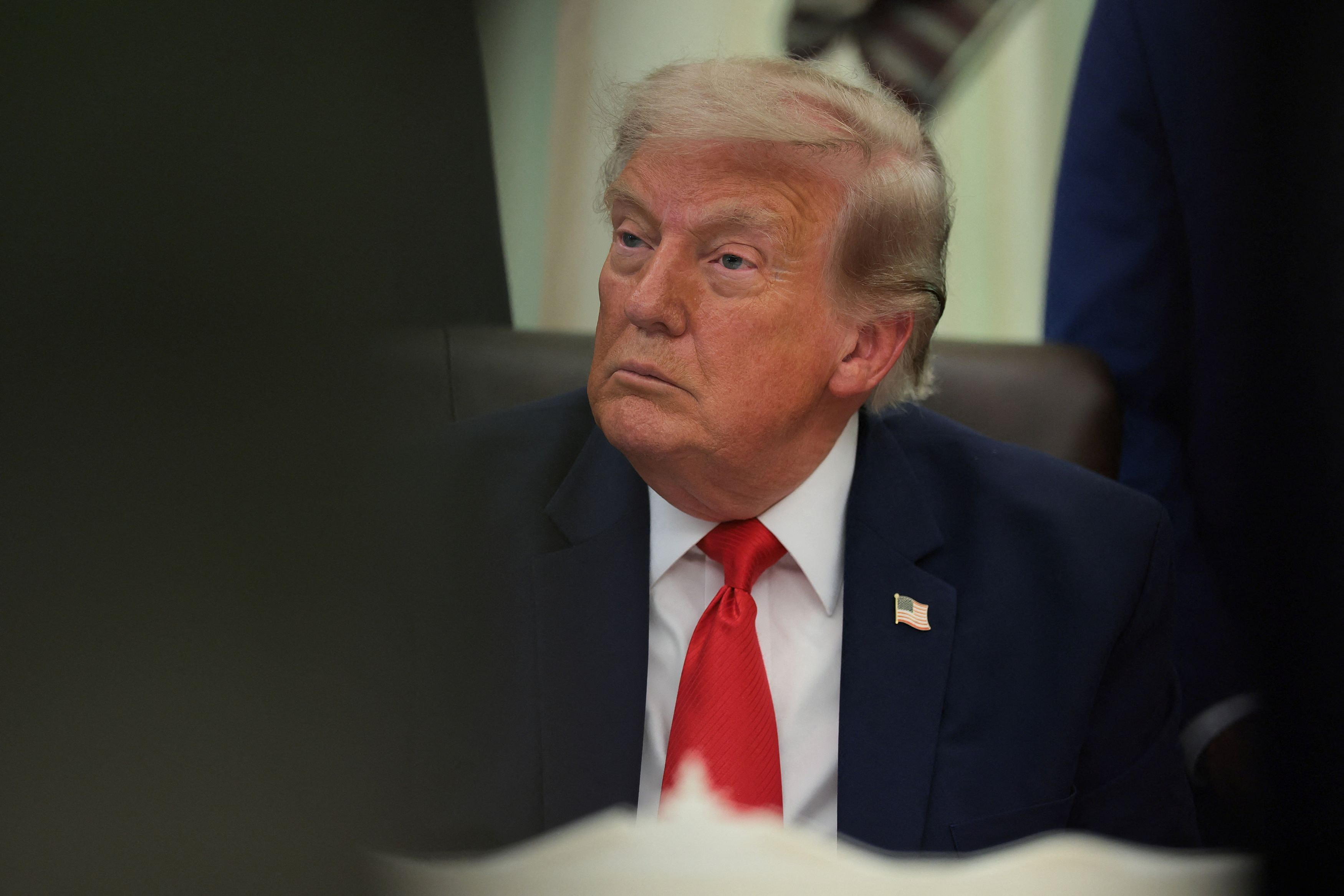


"The Fed Board, with its great new leader, must get smart - BE PATRIOTS for a change. High interest rates put the U.S.A. at a very unfair disadvantage, and I won't allow that to happen!"
Donald Trump, President, via BBC
Trump’s post framed the strong labour market as evidence that the United States can tolerate “the LOWEST RATE of any country in the World.” He warned that “high interest rates put the U.S.A. At a very unfair disadvantage,” a line echoed in the Tovima report, which added that the president might “cut off a large portion of U.S. Trade” if the Fed does not lower rates.
Economists pointed out that the job tally reduces the case for a pause. Stephen Brown, chief North America economist at Capital Economics, told the media that “even the most committed dove would struggle to find anything in the August employment report to justify keeping interest rates unchanged.” BBC quoted him, noting the implication that modestly higher inflation could still push the Fed toward a hike.
Neil Birrell of Premier Miton added that “a hike in rates just became a bit more likely,” a sentiment reinforced by CME Group’s FedWatch data showing “almost 60% of traders” betting on a September increase. The prediction‑market site Polymarket placed the odds for a 25‑basis‑point rise at 52%, edging out a no‑change scenario at 49%, according to the Coingape analysis.
Meanwhile, inflation remains above the Fed’s 2 % target. The latest price index showed a year‑over‑year rise of 3.4%. Diesel fuel hit an all‑time high of $5.85 a gallon, up from $3.71 a year earlier, underscoring the broader cost‑of‑living pressures that the Fed is still tasked with taming.
Wages, however, have kept pace with price pressures. Average hourly earnings reached $37.75, up 3.1% from a year earlier, suggesting that labour income is responding to inflationary trends.
Against this backdrop, the Fed’s policy calendar is set for a two‑day meeting on 15‑16 September. The agenda will be heavily influenced by the upcoming Consumer Price Index release on 11 September. Governor Christopher Waller indicated that a “stronger‑than‑expected inflation report” would push him toward a rate hike, while Governor Michael Barr said that “clear evidence of stalled progress” would also justify tightening, as reported by Tovima.
What to watch next
- 11 September: Consumer Price Index data, the first major inflation gauge since the August payrolls.
- 15‑16 September: Federal Open Market Committee meeting – decision on whether to raise the benchmark rate.
- Post‑decision: Market reaction in equities, Treasury yields and the dollar, especially in sectors sensitive to financing costs such as housing and technology.
Timeline of key events
| Date | Event |
|---|---|
| Early August | Revisions to June–July payroll figures add a combined 55,000 jobs. |
| End of August | Labor Department releases August report showing 162,000 jobs added; unemployment holds at 4.1%. |
| Late August | President Trump posts demand for rate cuts on social media. |
| Early September | Prediction markets lift odds of a 25‑bp hike to just over half. |
| 11 September | Scheduled release of the Consumer Price Index. |
| 15‑16 September | Federal Reserve’s policy meeting. |
Market participants have already priced in the possibility of tighter policy. The Fed funds futures market, for instance, showed an implied probability of a September increase near 61%, according to the same Coingape report that tracked the Polymarket odds.
The political dimension adds another layer of uncertainty. Trump’s threat to “halt trade” unless rates are cut, as outlined by Tovima, could force the administration to weigh the diplomatic fallout of a confrontational stance against the Fed’s independence. The president argued that the United States “has a very unfair disadvantage” with higher borrowing costs, a claim that economists counter with the risk that “lower rates could push inflation higher,” a potential trade‑off highlighted in the same source.
For investors, the narrowing gap between the odds of a hike and a hold creates a volatile environment. A rate increase would “place short‑term pressure on Bitcoin and other risk assets,” according to the Coingape piece, while also “strengthen the dollar and increase returns on government debt,” making speculative assets less attractive.
In the short term, equity indexes reacted negatively on the Friday following the jobs release, a move that Trump labeled “crazy” and attributed to a “false reality” that “if things are good, you’ve got to ‘KILL IT’ because of a ‘fear’ of inflation.” The president’s critique reflects a broader political narrative that frames monetary tightening as an obstacle to growth, even as the Fed maintains its mandate to anchor inflation expectations.
All eyes will now turn to the September data releases and the Fed’s decision. Should the CPI come in above the 2 % target, the odds of a 25‑basis‑point increase could climb further, testing both the market’s and the administration’s appetite for higher borrowing costs.
How significant is this development?
Contribute your assessment to the aggregated reader sentiment ledger.
Frequently Asked Questions
Key questions answered in this reportWhat is the key development in: Trump calls for interest rate cut after jobs figures raise hike bets?
Trump calls for interest rate cut after jobs figures raise hike bets
Why is this Business development significant for the UK?
This report covers critical events in our Business beat. Independent reporting monitors related UK statements, regulatory shifts, and public responses as further verified details emerge.
How was this reporting corroborated and verified?
Newsarchy UK compiles and cross-references reporting from primary reporting from BBC and cross-checked wire reports. All coverage adheres to published editorial standards.
When was this report published?
This briefing was published on September 5, 2026 and is permanently cataloged in the Newsarchy UK Business archives.