US existing home sales hit a 16-year low in October amid surging mortgage rates
US existing home sales plunged to a 16-year low in October as surging mortgage rates and higher borrowing costs sidelined aspiring homebuyers.
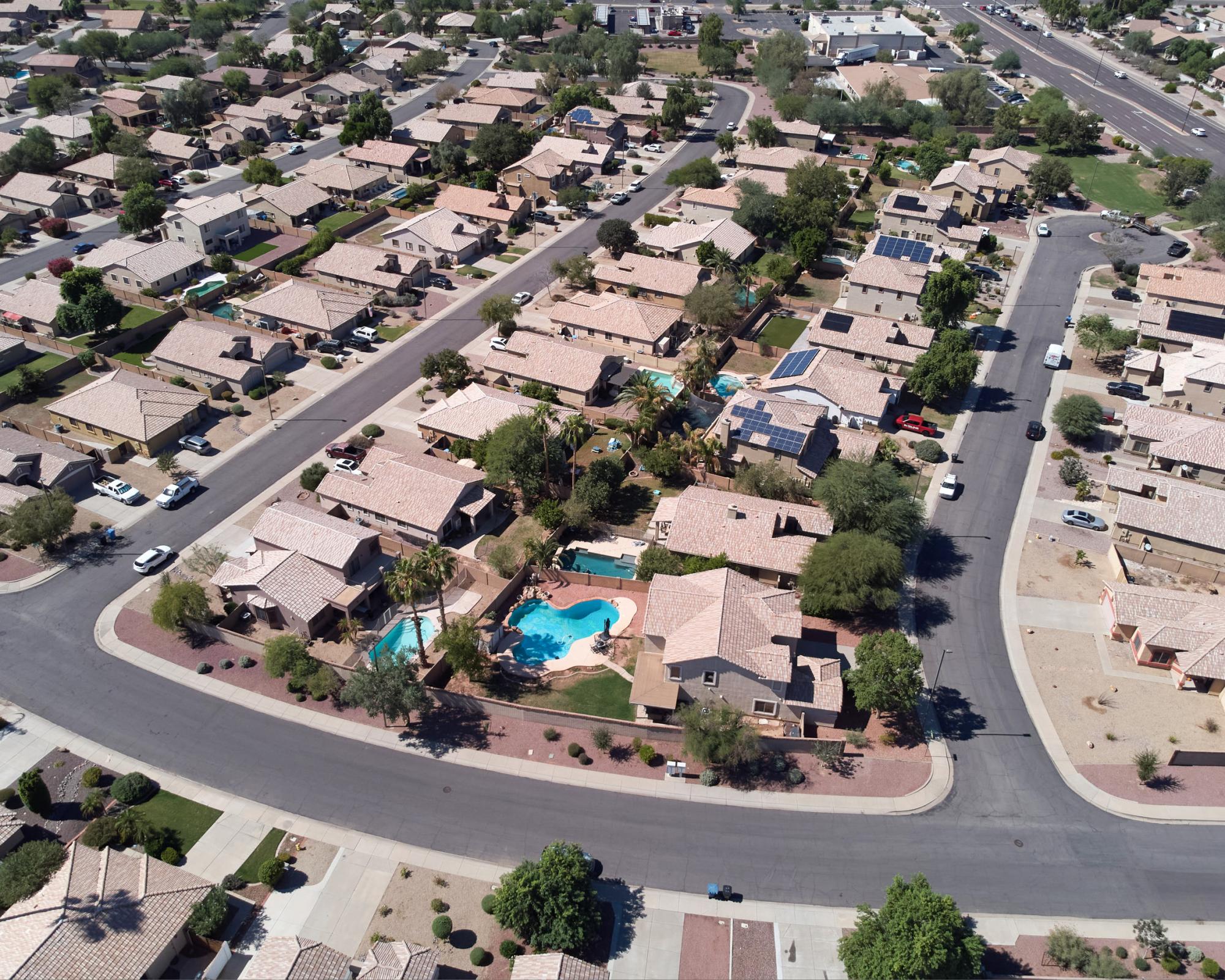
US existing home sales hit a 16-year low in October amid surging mortgage rates, leaving aspiring homebuyers stranded as borrowing costs climbed to heights not seen in years.
Sales of previously occupied American homes slumped to a seasonally adjusted annual rate of 3.75 million units in October 2026, according to figures released by the National Association of Realtors (NAR). This represents a 5.5% decline from September and an 8.8% drop compared to October 2025. Economists surveyed by FactSet had anticipated a higher annual sales pace of 3.8 million units, leaving the actual tally falling short of expectations.
Media additions


Industry observers expressed shock at the depth of the contraction. Joel Berner, senior economist at Realtor.com, called the report a punch in the gut
during an interview.
The primary driver behind the historic slump is the rapid escalation of borrowing costs. The benchmark 30-year fixed-rate mortgage climbed above 7% in September and hit a peak of 7.40% in October, according to data from Freddie Mac. This marked the highest level for long-term mortgage rates in nearly three years and the highest overall since 2000, outside of a single month in 2023. By contrast, average mortgage rates hovered just above 3% during the pandemic era.
Mortgage rates have soared following geopolitical instability and economic pressures. Increased inflation and higher interest rates stemming from the war between the US and Iran pushed long-term bond yields higher. The 10-year Treasury yield, which lenders use as a guide for home loans, surged to 5.27% in midday trading, bringing yields back to levels last seen on the eve of the 2007 real estate-induced financial crisis, as reported by the Associated Press via PBS.
The US Federal Reserve has also played a direct role in the tightening financial environment. After keeping rates on hold, the central bank hiked its benchmark short-term interest rate in September for the first time since 2023, bringing rates to a range of 3.75% to 4%. With inflation coming in hotter than expected in October, policymakers have signaled that another rate hike could arrive at the December meeting.
Priscilla Thiagamoorthy, senior economist at BMO Capital Markets Economic Research, noted that housing will remain under severe pressure while the Fed weighs further tightening.
"With sales at a 16-year low, and the Fed poised to raise rates further, housing will remain under pressure for some time"
Priscilla Thiagamoorthy, Senior Economist at BMO Capital Markets Economic Research, via The Globe and Mail
Despite the steep drop in transaction volume, home prices continued to inch upward nationally, maintaining a persistent affordability crisis. The national median existing-home sales price rose 0.4% from a year earlier to $416,700, marking the 40th consecutive month of year-over-year price growth, according to NAR data published by Askfuzz. Selma Hepp, chief economist at Cotality, pointed out that mortgage rates breaching the 7% psychological threshold have severely constrained household purchasing power. Hepp also noted that compounding cost pressures — including tariff-related construction expenses, rising property taxes, insurance premiums, and everyday utility bills — continue to squeeze household budgets.
The squeeze has fundamentally altered buyer demographics. First-time homebuyers accounted for just 29% of transactions in October, down from 31% the previous month and 32% a year prior. Historically, first-time buyers represent closer to 40% of the market. Meanwhile, cash buyers and individual investors stepped in to capture a larger share of deals, aided by accumulated housing wealth. All-cash sales rose to 29% of transactions, and individual investors captured 20% of all deals as buyers with no rate exposure gained a relative edge.
Regional variations highlighted the uneven nature of the slowdown. While sales in the Northeast held steady on a month-over-month basis, severe declines struck elsewhere. The West experienced the steepest monthly drop at 9.7%, followed by the South at 6.5% and the Midwest at 3.2%. On an annual basis, sales fell across all four major regions, led by a 14.5% slump in the West.
| Metric / Region | October 2026 Data | Change vs. Previous Period | Change vs. Previous Year |
|---|---|---|---|
| Existing Home Sales (Annualized Rate) | 3.75 million units | -5.5% (MoM) | -8.8% (YoY) |
| Median Existing-Home Price | $416,700 | N/A | +0.4% (YoY) |
| Unsold Inventory | 1.59 million units | +1.3% (MoM) | +4.6% (YoY) |
| Months' Supply of Inventory | 5.1 months | N/A | Highest since Nov 2015 |
| First-Time Buyer Share | 29% | Down from 31% | Down from 32% |
| All-Cash Sales Share | 29% | Up from 27% | Unchanged |
| Housing Affordability Index | 100.7 | N/A | Down from 107.3 |
Even as sales volume languished, inventory expanded. Unsold home inventory rose to 1.59 million units by the end of October, representing a 5.1-months’ supply at the current sales pace. This is the largest months' supply recorded since November 2015, nudging the market closer to the traditional 4-to-6-month balance between buyers and sellers. As properties sit on the market longer, with the median time on market rising to 35 days, some sellers have begun cutting listing prices. Realtor.com reported that approximately 20.5% of listings featured an initial price reduction, bringing the national median home listing price down 2.2% from a year earlier to $415,000.
Looking ahead, market participants are monitoring upcoming policy decisions and seasonal trends. Industry leaders warn that further weakness could materialize in upcoming closed sales data, capturing the fallout from mid-October mortgage rate spikes before rates began a modest retreat. Economists emphasize that a robust recovery in housing activity depends on whether mortgage rates drop enough to restore purchasing power.
What to watch next
- The Federal Reserve's upcoming rate decision at its December meeting, which will determine whether benchmark rates climb further.
- Pending home sales figures and weekly mortgage application data from the Mortgage Bankers Association to gauge buyer re-engagement.
- The performance of the spring homebuying season, which analysts cite as a crucial test for whether the stagnant market can finally turn a corner.