Andy Burnham pledges to end rough sleeping as he becomes prime minister
Andy Burnham has become prime minister, immediately pledging to eradicate rough sleeping and decentralize power away from Whitehall.
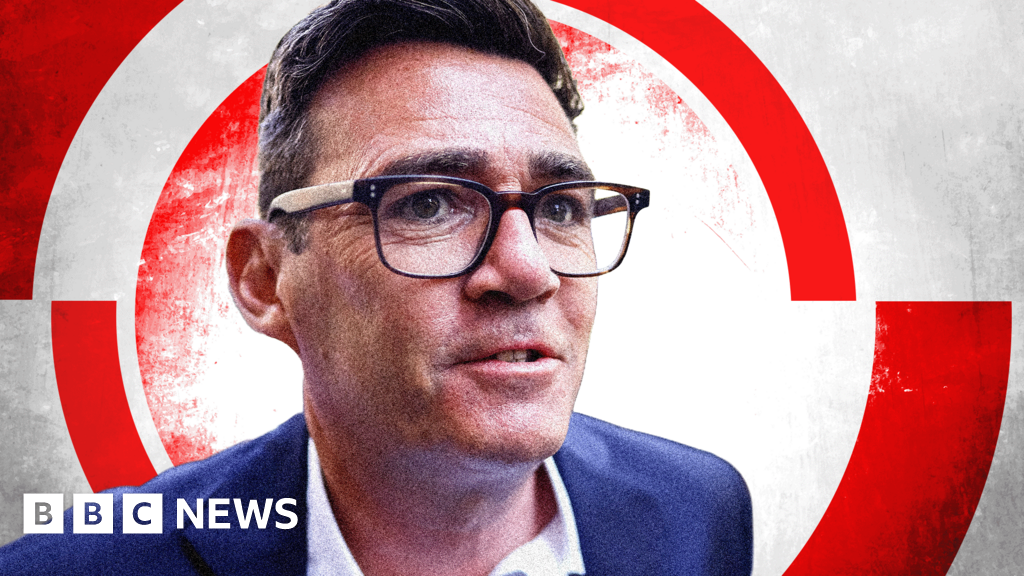
Andy Burnham has become prime minister, replacing Sir Keir Starmer, and immediately pledged to end rough sleeping in England as part of a radical overhaul of government.
The transition follows Burnham's victory in the Makerfield by-election and his rise to the Labour leadership, setting the stage for what supporters describe as a quiet political revolution. In his first speech after entering No 10, according to reporting by the BBC, Burnham rejected the notion that widespread homelessness is intractable.
Media additions

"For too long, we've been told that ending rough sleeping will take decades or even that it's impossible. I'm not having that. This is something a government can fix if it chooses to. Today, I'm choosing to."
Andy Burnham, Prime Minister, via BBC
A government press release outlined that an additional sum of money would be directed toward providing 1,200 homes and intensive support for at least 3,000 people over a multi-year period. Officials pointed to research suggesting that preventing tens of thousands of people from experiencing homelessness for a single year generates substantial savings for taxpayers. Additional context on local governance and housing can be found across our broader Politics coverage.
Central to Burnham's agenda is a major redistribution of power away from Whitehall. According to the Manchester Evening News, this includes establishing a northern headquarters for Number Ten, often dubbed a 'No 10 in the North'. While interim facilities will be used initially, the permanent northern base is expected to occupy the Manchester Digital Campus at the site of the former Central Retail Park in Ancoats. Chancellor Rachel Reeves previously gave the green light for the digital campus project, which will house civil servants working across various government departments.
Regional leaders are slated to gain unprecedented control over housing, welfare, skills, and transport. Burnham has argued that richer areas have historically subsidized poorer regions without addressing the root causes of regional inequality. Office for National Statistics figures highlight the disparity in public finances between regions:
| Region | Average Tax Paid per Person | Average Public Spending Received per Person |
|---|---|---|
| London | £24,400 | £19,500 |
| North West | £12,700 | £17,300 |
Lord O’Neill of Gatley, an economic adviser to Burnham, characterized the decentralization strategy as a shift away from piecemeal devolution toward genuine systemic change. Henri Murison, Chief Executive of the Northern Powerhouse Partnership, noted via the Manchester Evening News that empowering northern regions to generate higher productivity and wages will ultimately benefit the entire UK economy.
Burnham's wider policy platform spans public services, taxation, and utilities. He has called for the entire affordable housing budget for England to be directed toward social rent homes. However, fulfilling these ambitions while adhering to existing debt and spending rules remains a central policy challenge. On utilities, he has advocated for public ownership models for struggling entities like Thames Water, drawing inspiration from franchised local bus networks in Greater Manchester.
Taxation and social care also feature prominently on the new administration's agenda. Burnham has indicated a willingness to review public finances and explore potential adjustments to tax thresholds, though he has pledged to maintain main income tax, VAT, and National Insurance rates. He has also expressed determination to reform social care, potentially exploring funding mechanisms such as a national care levy, while bringing forward the reporting date of a government funding review.
Foreign policy and international relations will test the new administration immediately. Burnham inherits ongoing negotiations regarding youth visas, food regulations, and carbon pricing alignment with the European Union, alongside defense spending commitments and diplomatic engagement with the United States.
What to watch next
- Cabinet appointments and the formal transition of Whitehall responsibilities.
- The establishment of the interim northern base ahead of the permanent Manchester Digital Campus opening.
- The rescheduled social care funding review report, now expected by the end of the year.
- Burnham's first Budget speech in the autumn.
As the new administration settles into office, readers can stay informed on legislative developments, tax policies, and regional devolution by subscribing to the Politics coverage and related updates.


