US 10-year Treasury yield returns to 5 percent as most stocks decline
The US 10-year Treasury yield returned to the 5 percent threshold, triggering broad market declines as Warren Buffett stepped down as Berkshire Hathaway chairman.

- Core Development: The US 10-year Treasury yield returned to the 5 percent threshold, triggering broad market declines as Warren Buffett stepped down as Berkshire Hathaway chairman.
- Beat Context: Categorized under Business with independent corroboration.
- Reporting Depth: 3 minute analytical read synthesized from verified newsroom sources.
Financial markets experienced a striking divergence on Friday, September 18, 2026, as major equity indices posted gains while the broader underlying market suffered widespread declines. The session was defined by the return of the benchmark US 10-year Treasury yield to the five percent threshold, a macroeconomic milestone that triggered heavy selling across interest-rate-sensitive sectors and smaller equities. While headline figures suggested stability, market mechanics revealed a session where only a fraction of individual equities advanced, underscoring persistent anxieties over monetary policy and corporate borrowing costs, as detailed by Note.
The macroeconomic backdrop was heavily influenced by central bank actions and shifting expectations surrounding interest rates. On Friday, the Bank of Japan raised its policy interest rate, yet the decision was accompanied by a split vote that caught markets off guard, weakening the yen past the 157 mark against the US dollar and widening the international interest rate gap. Concurrently, US Treasury yields climbed across the curve, with short-term yields rising more significantly than long-term durations as investors priced in the likelihood of additional policy tightening.
Media additions

This interest rate pressure disproportionately punished smaller companies and income-focused equities. Utilities plunged to a new fifty-week low, while real estate and consumer staples experienced heavy liquidations. According to Note, the utilities sector demonstrated that it functions as a primary casualty when yields climb, losing value rapidly as fixed-income alternatives became more attractive to investors seeking yield. Conversely, large-cap information technology stocks managed to hold indices in positive territory, though volume data indicated that these gains reflected a lack of selling pressure rather than aggressive new buying.
| Market Index / Indicator | Session Performance | Key Context |
|---|---|---|
| S&P 500 | +0.17% | Second consecutive day of gains; equal-weighted index fell 0.48%. |
| Nasdaq Composite | +0.39% | Outperformed peers, posting a weekly gain of 0.7%. |
| NY Dow | -0.18% | Posted its third consecutive week of declines, dropping 1.7%. |
| Russell 2000 | -0.50% | Small-cap index fell 5.7% over the preceding month. |
| US 10-Year Treasury Yield | 5.006% (+ approx. 6bp) | Returned to the 5% range, approaching the weekly high of 5.041%. |
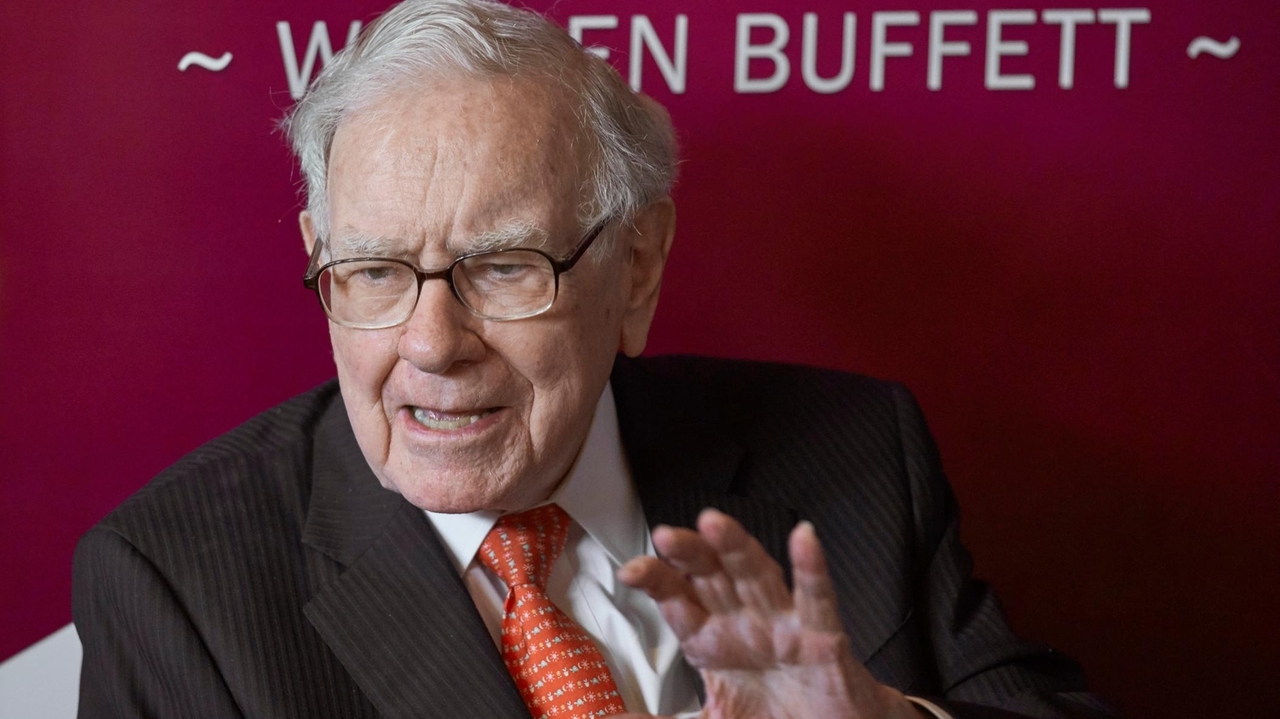
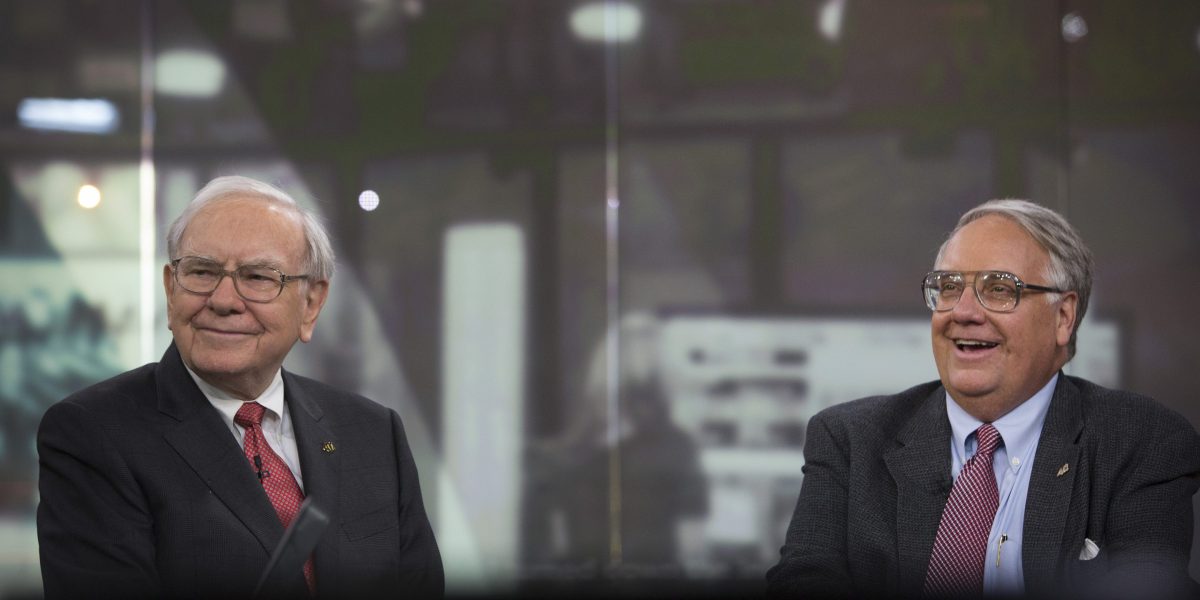
Away from the broader trading floor, corporate leadership underwent a historic transformation. Warren Buffett stepped down as chairman of Berkshire Hathaway, ending a tenure that spanned more than five decades at the helm of the trillion-dollar conglomerate. At ninety-six years of age, the billionaire investor assumed the role of chairman emeritus, while remaining on the board of directors. Succeeding him as chairman is his seventy-one-year-old son, Howard Buffett, who has served as a corporate director since the early 1990s, as reported by Moneycontrol.
The leadership transition follows the earlier appointment of Greg Abel as chief executive officer. In a letter to shareholders, the elder Buffett expressed complete confidence in the new executive structure, writing that Abel runs day-to-day operations while Howard Buffett will act as a guardian of the conglomerate's unique culture and values. Analysts from Newsday noted that while Abel possesses deep operational knowledge across the firm's diverse non-insurance subsidiaries—including railroads, utilities, and manufacturing—questions remain among investors regarding how the new leadership team will deploy the company's substantial cash reserves.
Howard Buffett brings a diverse background to his new corporate post, having worked extensively in agriculture, conservation, and international philanthropy, according to Fortune. Unlike traditional financial executives, his career has largely unfolded outside of Wall Street, operating family and foundation-backed research farms across multiple continents and authoring publications on food security and environmental conservation.
Market participants will now turn their attention to the upcoming trading week as quarterly rebalancing takes effect and expiration-related volume distortions recede. Observers will closely monitor whether the US 10-year Treasury yield breaches its recent weekly high of 5.041 percent, a move that analysts warn could deepen pressures on small-cap equities and interest-sensitive sectors.
How significant is this development?
Contribute your assessment to the aggregated reader sentiment ledger.
Frequently Asked Questions
Key questions answered in this reportWhat is the key development in: US 10-year Treasury yield returns to 5 percent as most stocks decline?
The US 10-year Treasury yield returned to the 5 percent threshold, triggering broad market declines as Warren Buffett stepped down as Berkshire Hathaway chairman.
Why is this Business development significant for the UK?
This report covers critical events in our Business beat. Independent reporting monitors related UK statements, regulatory shifts, and public responses as further verified details emerge.
How was this reporting corroborated and verified?
Newsarchy UK compiles and cross-references reporting from primary reporting from note.com and cross-checked wire reports. All coverage adheres to published editorial standards.
When was this report published?
This briefing was published on September 19, 2026 and is permanently cataloged in the Newsarchy UK Business archives.