Andy Burnham Promises Tax Relief and Cost-of-Living Focus in First PM ...
New UK Prime Minister Andy Burnham has pledged a "breathing-space" agenda, targeting personal tax allowances and housing to combat the rising cost of living.

- Core Development: New UK Prime Minister Andy Burnham has pledged a "breathing-space" agenda, targeting personal tax allowances and housing to combat the rising cost of living.
- Beat Context: Categorized under Cost of Living with independent corroboration.
- Reporting Depth: 4 minute analytical read synthesized from verified newsroom sources.
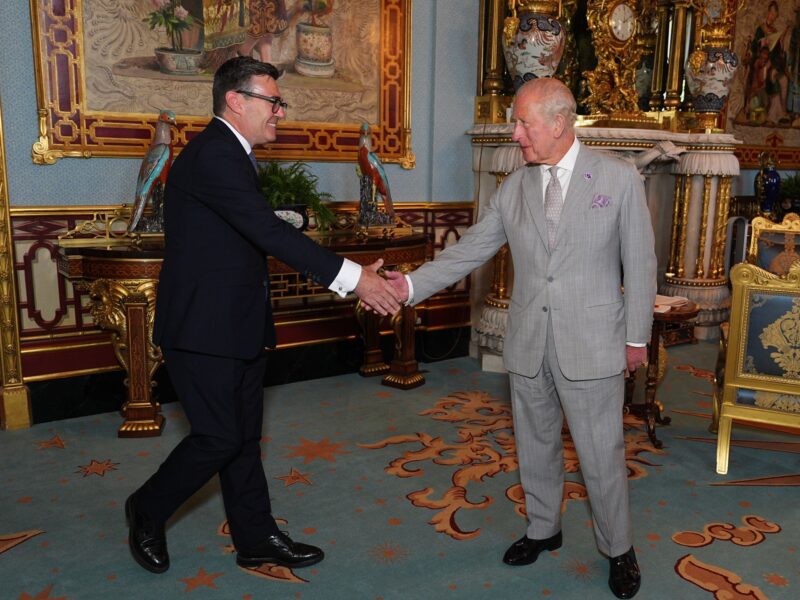
Just hours after swearing in at Buckingham Palace, Britain’s new prime minister announced a “breathing‑space” agenda aimed at narrowing the gap between stagnant wages and soaring household costs. The promise to review the tax‑free personal allowance – the threshold at which income tax starts – is already being billed as the most immediate test of whether Burnham can turn rhetoric into relief, a question that will dominate the autumn Budget 2026.
Tax‑free allowance at the centre of the plan
Burnham told the nation that the current freeze on income‑tax and National‑Insurance thresholds – locked in until April 2031 – is “a big revenue raiser for the government”. He said a modest uplift of the personal allowance would let workers keep more of their earnings before tax, giving families “more breathing space”. The move, however, would “cost the Treasury billions”, meaning his new chancellor, John Healey, will have to find funding elsewhere, whether through spending cuts, borrowing or adjustments to other parts of the tax system.
Media additions


"A more volatile world is a more expensive world."
Adam French, financial information service, via BBC
Burnham stressed that Labour would not raise the three headline taxes – income tax, National Insurance and VAT – but hinted that “a little bit more” could be asked of some payers, opening the door to reforms of council tax, stamp duty or capital‑gains tax. Those proposals, he warned, would create “clear winners and losers”.
What “breathing space” will look like
- Later this year – a 10‑year national plan outlining a roadmap for housing, industry and regional devolution.
- Autumn 2026 – the Budget, where the personal‑allowance review will be finalised.
Burnham’s agenda also includes bringing “essentials under public control”, a phrase echoed in his speech as a way to tame energy bills, transport fares and other everyday costs.
Rough sleeping and housing
In what Burnham called his first instruction, he ordered an immediate push to end rough sleeping across England. Government figures put the number of people sleeping rough on a single night at 4,793 in autumn 2025, the highest on record. The prime minister linked the effort to a broader “publicly owned housing” drive, arguing that more council homes would lower welfare spending and ease the private‑rental market.
During his mayoralty, Burnham pledged 30,000 affordable homes by 2037, of which at least 10,000 would be for social rent. Actual completions in Greater Manchester between 2017 and 2025 totalled 18,433 affordable and social homes, including 2,368 for social rent. Nationally, more than 1.3 million households sit on social‑housing waiting lists, according to Shelter.
Transport, youth and health
On the youth front, Burnham pledged to overhaul the education system and expand mental‑health support, describing the goal as “building a more preventative state”. He framed these moves as part of a fiscal‑rule‑compliant strategy to lower the welfare bill while preserving defence commitments.
Political backdrop and reactions
Burnham entered No 10 as the sixth prime minister in a decade, inheriting a public mood described by the new leader as “people at home are fed up with politics”. Economists note that any reversal of the personal‑allowance freeze “would mean this money would have to be found from elsewhere, or borrowed”. The Labour manifesto’s pledge to keep the state‑pension triple lock – raising the pension by the highest of inflation, average wages or 2.5 % each year – adds another statutory outlay to the fiscal balancing act.
Burnham’s own admission that changing the personal allowance would be “difficult” under current economic circumstances underscores the challenge ahead.
What’s next for households
| Policy area | Current situation | Proposed change |
|---|---|---|
| Personal allowance | Frozen until April 2031 | Review with possible uplift (date to be set) |
| Energy debt | £4.79 billion outstanding | Consider social tariff or public‑control measures |
| Rough sleeping | 4,793 people on a single night (autumn 2025) | Government‑wide initiative to end rough sleeping |
| Council housing | 1.3 million households on waiting lists | Accelerated construction of publicly owned homes |
The 10‑year national plan, slated for release later this year, will flesh out the regional devolution and industrial‑policy components that Burnham dubbed a “circuit‑breaker for Britain”. And when the autumn Budget arrives, the Treasury will reveal whether the personal‑allowance uplift can be financed without breaching Labour’s self‑imposed fiscal rules.
What to watch next
- Later this year: Publication of the 10‑year national plan.
- Autumn 2026: Budget presentation – the decisive moment for the personal‑allowance review.
Burnham’s promise to give Britain “more breathing space” will be measured against the Treasury’s ability to fund the changes, the resilience of the energy market, and the speed at which new council homes can be built. As the new prime minister put it, the next few weeks will determine whether his “circuit‑breaker” rhetoric translates into tangible relief for the nation’s cash‑strapped families.
How significant is this development?
Contribute your assessment to the aggregated reader sentiment ledger.
Frequently Asked Questions
Key questions answered in this reportWhat is the key development in: Andy Burnham Promises Tax Relief and Cost-of-Living Focus in First PM ...?
New UK Prime Minister Andy Burnham has pledged a "breathing-space" agenda, targeting personal tax allowances and housing to combat the rising cost of living.
Why is this Cost of Living development significant for the UK?
This report covers critical events in our Cost of Living beat. Independent reporting monitors related UK statements, regulatory shifts, and public responses as further verified details emerge.
How was this reporting corroborated and verified?
Newsarchy UK compiles and cross-references reporting from primary reporting from inkl.com and cross-checked wire reports. All coverage adheres to published editorial standards.
When was this report published?
This briefing was published on July 20, 2026 and is permanently cataloged in the Newsarchy UK Cost of Living archives.