Child Trust Fund oversight forces parents to close £55k Junior ISA
An administrative oversight involving legacy state-set Child Trust Funds is invalidating modern Junior ISAs, forcing families to face unexpected compliance traps.
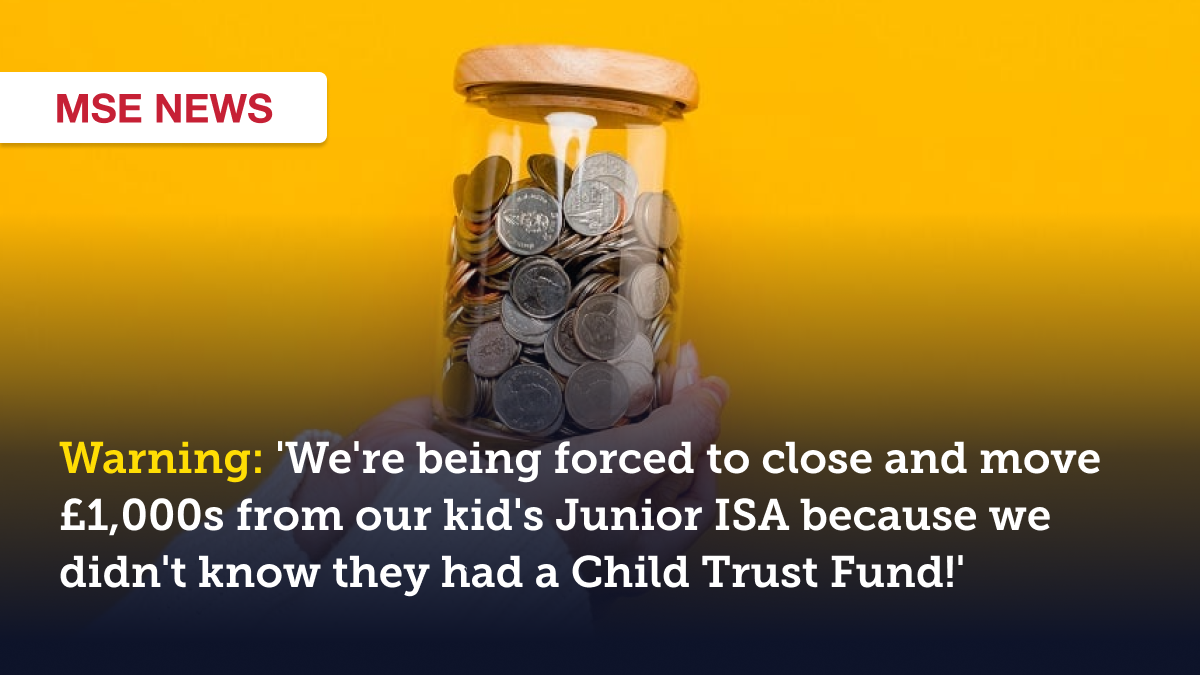
- Core Development: An administrative oversight involving legacy state-set Child Trust Funds is invalidating modern Junior ISAs, forcing families to face unexpected compliance traps.
- Beat Context: Categorized under Cost of Living with independent corroboration.
- Reporting Depth: 4 minute analytical read synthesized from verified newsroom sources.
An administrative oversight involving legacy government savings schemes has forced families across the UK to confront unexpected complications with their children's long-term investments, according to recent financial warnings. Parents attempting to secure their children's financial futures through modern tax-free savings vehicles are discovering that automated accounts set up by the state more than a decade ago are invalidating substantial portfolios, sparking urgent calls for households to check government registries before committing funds.
The conflict centres on legacy Child Trust Funds (CTFs) established automatically by the state for children born between 1 September 2002 and 2 January 2011. During this period, the government issued vouchers worth up to £500, and if parents failed to open an account themselves, HMRC stepped in to set one up on the child's behalf. Data from the National Audit Office shows that around 6.1 million CTF accounts were opened by April 2012, with 1.7 million created directly by the state. These accounts were eventually phased out and replaced by Junior ISAs (JISAs), which currently carry an annual allowance of £9,000 for the 2026/27 tax year, as detailed by Money Saving Expert.
Media additions



The rules governing these accounts are unforgiving. HMRC regulations dictate that a child cannot legally hold a CTF and a JISA at the same time. For many families, this technicality remains entirely hidden until they attempt to consolidate or review their holdings. One parent who spent fifteen years building a JISA balance to approximately £55,000 with Hargreaves Lansdown discovered the conflict after following guidance from consumer campaigner Martin Lewis to trace lost accounts. Although the forgotten CTF contained just £130 — representing the initial government contribution plus years of modest growth — its mere existence rendered the much larger JISA technically invalid from its inception.
Financial institutions are left managing the fallout when these dual-account scenarios come to light. According to reports from Money Saving Expert, affected account holders are typically presented with difficult administrative choices: liquidate the existing JISA investments for a cash refund, or transfer the accumulated assets into a Bare Trust, which removes the investments from the protective tax-free wrapper. Representatives for Hargreaves Lansdown noted that while such cases are relatively infrequent, they require close cooperation with regulators and adherence to official HMRC instructions.
HMRC has indicated that taxpayers may face charges, including Capital Gains Tax, if a JISA is closed due to a pre-existing CTF, though liability depends heavily on investment growth, interest earned, and the child's independent income. Because most minors do not exceed their personal allowance, tax is unlikely to be demanded in the vast majority of cases. Nevertheless, the discovery triggers significant administrative hurdles for families who signed original declarations confirming no prior CTF existed, often unaware that an automated state account had been opened on their behalf.
The broader landscape of children's savings highlights a wide disparity in how families utilize these accounts. Freedom of Information data secured by Standard Life and reported by IFA Magazine reveals that approximately 2,170,000 JISAs are currently active across the UK, holding an average value of £4,370. While the vast majority of these portfolios contain under £25,000, roughly 400 accounts across the country boast balances exceeding £100,000. Experts emphasize that disciplined, long-term saving can yield substantial nest eggs by the time a child gains control of the funds at age 18, though early management choices and platform fees heavily influence overall returns.
| Platform / Provider | Annual Platform Fee | Fund Dealing Charge | Share Dealing Charge |
|---|---|---|---|
| Fidelity | No annual fee | £1.50 (regular plans) / £7.50 online | £7.50 online |
| Hargreaves Lansdown | No annual fee | No fund dealing fees | £7.50 per share deal |
| AJ Bell | 0.25% (max £2.50/mo for shares) | £1.50 per fund deal | £5.00 per share deal |
| Interactive Investor | 0.40% (tier drops for £250k+) | No fund dealing fees | £7.50 per share deal |
| Beanstalk | 0.50% total investment value | Included in management | App-based structure |
When selecting where to house these long-term investments, analysts point to varying cost structures across digital wealth managers and traditional brokers. As explored in evaluations by MoneyWeek, platform charges typically range from zero up to fractions of a percentage point, alongside specific dealing fees for individual equities and exchange-traded funds. Alternatives such as child pensions are also gaining traction among families taking a multi-decade approach to wealth building, offering government tax relief on contributions despite funds remaining locked away until standard retirement age.
Consumer advocates continue to warn families against utilizing commercial claims management firms to trace missing CTFs. These third-party companies frequently target young adults via social media advertising, charging hundreds of pounds for a search that individuals can perform independently and free of charge through official government portals. The advertising standards watchdog has previously cracked down on misleading promotions in this sector.
Households reviewing their financial arrangements are encouraged to consult official guidance and check for legacy accounts before initiating new investments. As discussions continue across the wider personal finance sector, including broader considerations regarding tax wrappers and allowances ahead of upcoming fiscal events, ensuring account compliance remains the foundational step for protecting accumulated wealth. Further updates regarding regulatory enforcement for invalid JISAs are expected as HMRC processes individual disclosures from affected families.
How significant is this development?
Contribute your assessment to the aggregated reader sentiment ledger.
Frequently Asked Questions
Key questions answered in this reportWhat is the key development in: Child Trust Fund oversight forces parents to close £55k Junior ISA?
An administrative oversight involving legacy state-set Child Trust Funds is invalidating modern Junior ISAs, forcing families to face unexpected compliance traps.
Why is this Cost of Living development significant for the UK?
This report covers critical events in our Cost of Living beat. Independent reporting monitors related UK statements, regulatory shifts, and public responses as further verified details emerge.
How was this reporting corroborated and verified?
Newsarchy UK compiles and cross-references reporting from primary reporting from The i Paper and cross-checked wire reports. All coverage adheres to published editorial standards.
When was this report published?
This briefing was published on October 10, 2026 and is permanently cataloged in the Newsarchy UK Cost of Living archives.