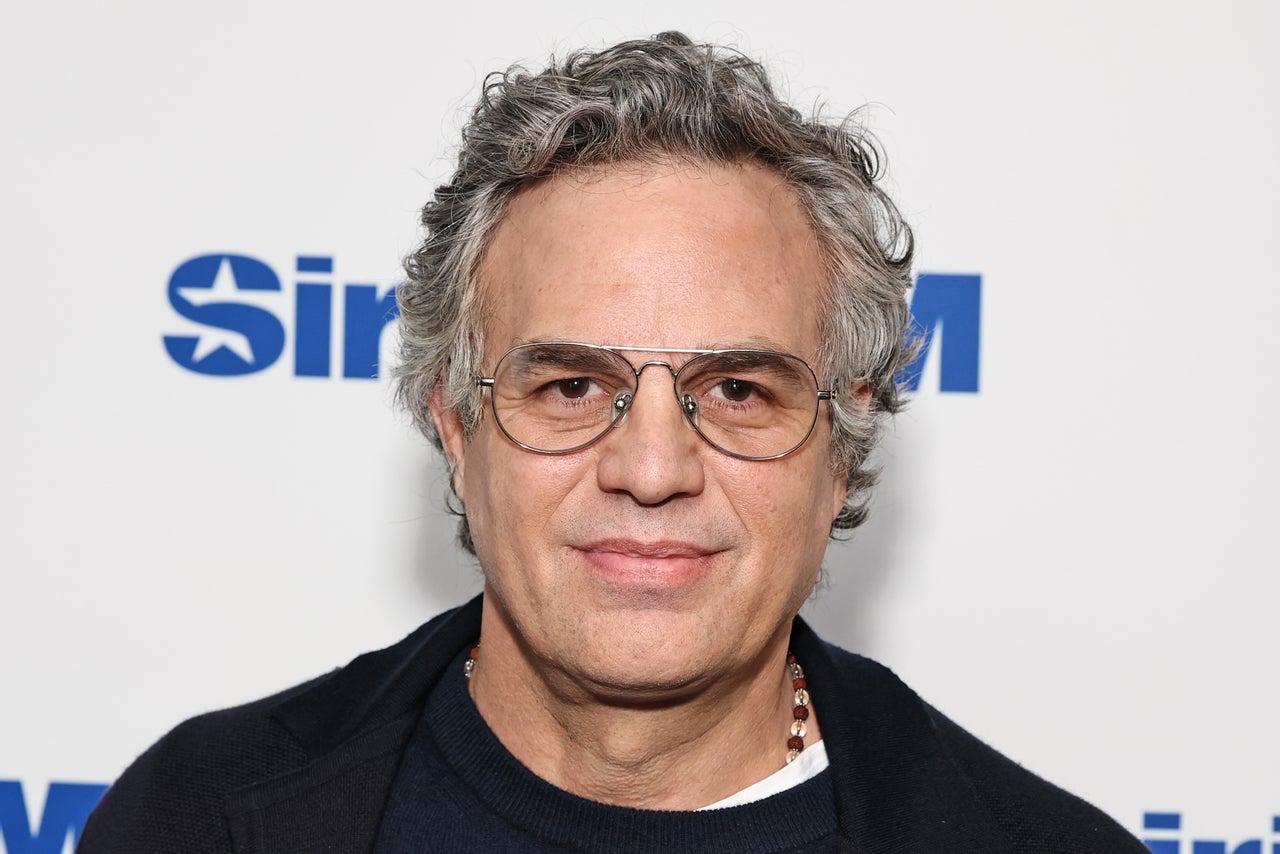
Mark Ruffalo decries Paramount's antisemitism claim as appalling, dishonest
Actor Mark Ruffalo was called antisemitic by Paramount after he linked the proposed $111bn Paramount‑Warner merger to Oracle’s technology used by Israel’s military. The dispute may influence the merger’s future and Hollywood’s media landscape.
- Core Development: Actor Mark Ruffalo was called antisemitic by Paramount after he linked the proposed $111bn Paramount‑Warner merger to Oracle’s technology used by Israel’s military. The dispute may influence the merger’s future and Hollywood’s media landscape.
- Beat Context: Categorized under Culture with independent corroboration.
- Reporting Depth: 4 minute analytical read synthesized from verified newsroom sources.
Paramount Pictures labelled Hollywood actor Mark Ruffalo an antisemitic on 21 August 2026 after he linked the studio’s proposed $111 billion merger with Warner Bros. Discovery to Oracle’s technology used by the Israeli military. Ruffalo’s rebuttal on 22 August, posted to X, reframed the dispute as a matter of “fair and necessary” political criticism, a clash that now overlays a merger already stalled until June 2027 by a federal judge.
Why it matters now: the merger would place far‑reaching media assets — CNN, HBO, the DC and Harry Potter franchises — under the control of a single family with ties to U.S. Political power. The accusations of antisemitic rhetoric have added a fresh layer of public scrutiny just as the industry backlash reaches over a thousand signatories and twelve state attorneys general pursue antitrust action.
Media additions


Chronology of the exchange
- 21 August 2026 – Ruffalo shares an Instagram‑Story clip of Oracle board member Safra Catz describing “really profoundly scary technologies” provided to Israel’s military after the October 2023 Hamas attacks.
- 21 August 2026 – Paramount issues a statement to Variety accusing Ruffalo of invoking “antisemitic tropes” in a business dispute.
- 22 August 2026 – Ruffalo posts on X, calling the accusation “appalling and fundamentally dishonest”.
- 24 August 2026 – Paramount’s CEO David Ellison and California Attorney General Rob Bonta are scheduled to meet to discuss a possible settlement of the antitrust case.
- June 2027 (pending) – A federal judge is expected to rule on the stay of the Paramount‑Warner Bros. Deal.
The statements
"The accusation that I am antisemitic is appalling and fundamentally dishonest."
Mark Ruffalo, actor, via AOL
"Criticizing the actions of the Israeli prime minister, a military technology contract, or the executives who supply it is not the same as criticizing Jewish people."
Mark Ruffalo, actor, via Mid Day
"Everything I know about acting, activism, and humanism has been profoundly shaped by the Jewish friends, colleagues, and loved ones who have been integral and family throughout every point of my life."
Mark Ruffalo, actor, via Jang
"We are, as always, troubled when antisemitic tropes are invoked in purported service of a business dispute."
Paramount spokesperson, via Variety
"Words like ‘genocide’ and ‘apartheid,’ applied to a corporate transaction, aren’t just wrong — they’re a bridge too far, and they cheapen the very real suffering those words are meant to describe."
Paramount spokesperson, via Variety
"This doesn’t deserve a response in kind — and to be clear, we don’t tolerate prejudice of any kind, against anyone."
Paramount spokesperson, via Variety
Media angles and nuance
The Primetimer piece frames the clash as part of a broader “business dispute” that has already drawn twelve states and the Writers Guild of America into litigation, highlighting the legal backdrop that already keeps the merger on pause. It also notes the Simon Wiesenthal Center criticism of Ruffalo’s remarks, adding a community‑specific response that Paramount’s statement does not address.
Nme supplies the financial anatomy of the deal, reminding readers that the transaction would consolidate control over a staggering portfolio of assets from the DC Universe to Game of Thrones. It also traces the merger’s recent progress: a Justice Department green light in June, Netflix’s withdrawal in February, and shareholders’ approval in April.
While Mid Day focuses almost exclusively on Ruffalo’s denial of antisemitism, reiterating his “deep love and respect” for Jewish people, the Jang report adds the detail that Ruffalo used Instagram Stories to “break his silence”, emphasizing his use of multiple platforms to reach audiences.
All outlets converge on a core fact: the actor’s criticism targets Oracle, owned by billionaire Larry Ellison and represented on Paramount’s board by Safra Catz, as part of a wider accusation that the Ellison family is funneling “destructive and inhuman forces” into the merger’s financial engine.
Implications for the merger
Paramount argues that Ruffalo’s language “cheapens” the suffering of Palestinians, yet his supporters claim the controversy spotlights national‑security concerns surrounding foreign‑backed media concentration. The merger’s pause until June 2027, coupled with lawsuits filed by twelve states, suggests that any public relations fallout, whether framed as antisemitic rhetoric or legitimate corporate criticism, could influence the judge’s eventual ruling.
Industry observers, cited by NME, warn that “the cozy relationship the Ellisons have with Trump” and perceived DOJ compromises may erode confidence in a fair review. If the case proceeds to trial, both parties will likely revisit the public statements made in August as evidence of “pre‑judicial” bias.
What to watch next
- 24 August 2026 – Paramount’s CEO David Ellison meets with California AG Rob Bonta to discuss a possible settlement of the antitrust suit.
- June 2027 – Federal judge expected to issue a decision on whether the merger can resume.
- Potential follow‑up statements from the Simon Wiesenthal Center or other Jewish advocacy groups, depending on how the public debate evolves.
- Further commentary from Ruffalo or Paramount on X, Instagram or in interviews with entertainment outlets.
The clash has become more than a disagreement over wording; it sits at the intersection of media consolidation, geopolitical conflict, and the fight over how activists can hold powerful corporations to account. As the legal process grinds onward, the next public moves by Ruffalo and Paramount will likely shape not just public opinion but the very structure of Hollywood’s future.
How significant is this development?
Contribute your assessment to the aggregated reader sentiment ledger.
Frequently Asked Questions
Key questions answered in this reportWhat is the key development in: Mark Ruffalo decries Paramount's antisemitism claim as appalling, dishonest?
Actor Mark Ruffalo was called antisemitic by Paramount after he linked the proposed $111bn Paramount‑Warner merger to Oracle’s technology used by Israel’s military. The dispute may influence the merger’s future and Hollywood’s media landscape.
Why is this Culture development significant for the UK?
This report covers critical events in our Culture beat. Independent reporting monitors related UK statements, regulatory shifts, and public responses as further verified details emerge.
How was this reporting corroborated and verified?
Newsarchy UK compiles and cross-references reporting from primary reporting from aol.com and cross-checked wire reports. All coverage adheres to published editorial standards.
When was this report published?
This briefing was published on August 24, 2026 and is permanently cataloged in the Newsarchy UK Culture archives.