Rochdale Council seizes derelict Warwick Mill to spearhead Middleton revival
Rochdale Council has taken control of the derelict Warwick Mill to spearhead a £4.5m regeneration project aimed at reviving the post-industrial town of Middleton.
Rochdale Council seizes derelict Warwick Mill to spearhead Middleton revival
EXECUTIVE BRIEFKey Takeaways & Signal
Core Development: Rochdale Council has taken control of the derelict Warwick Mill to spearhead a £4.5m regeneration project aimed at reviving the post-industrial town of Middleton.
Beat Context: Categorized under Politics with independent corroboration.
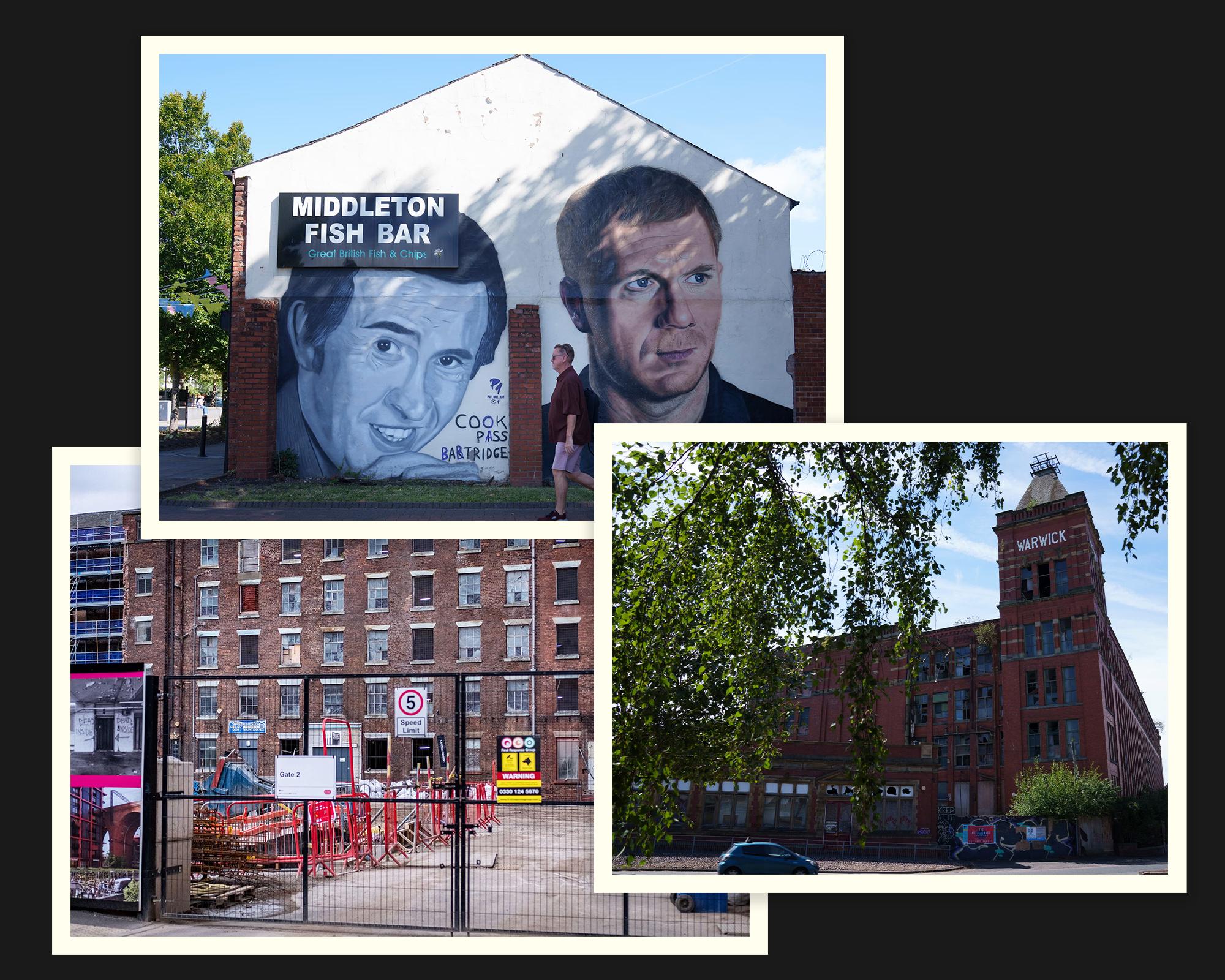
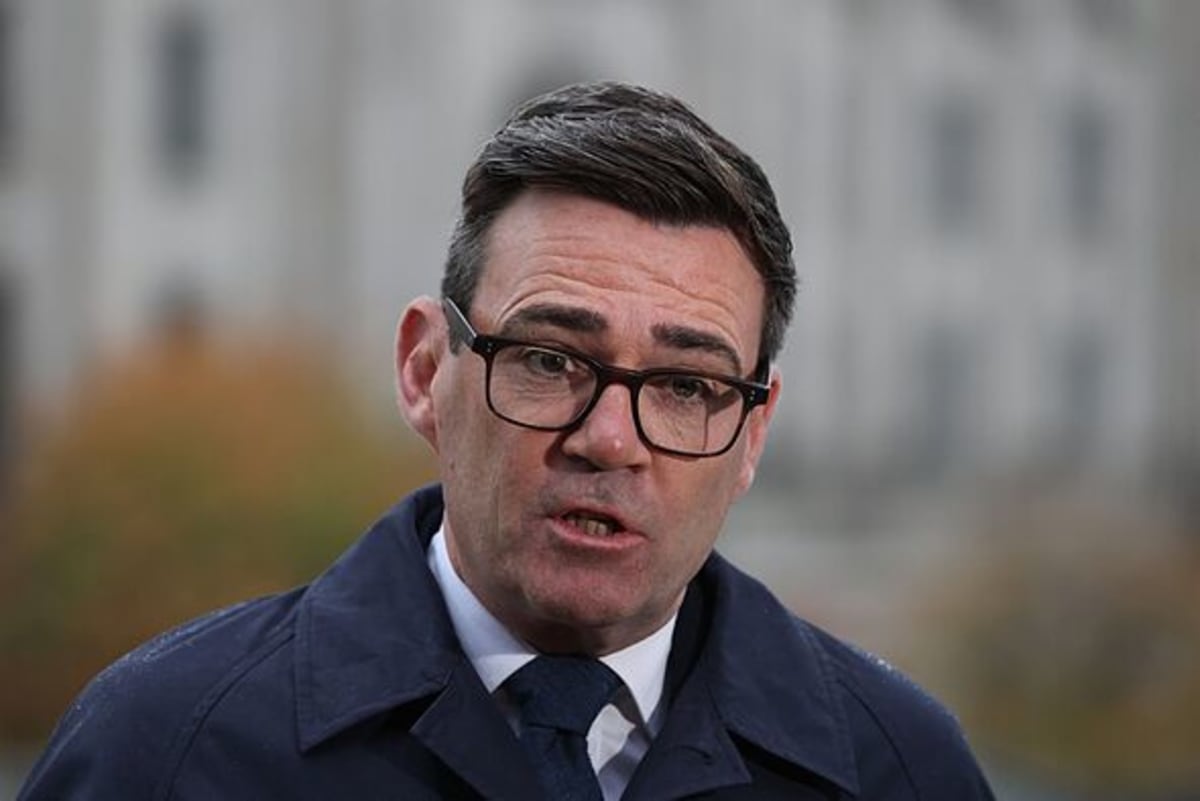
Rochdale Council has taken control of the derelict Warwick Mill, a Grade II‑listed former cotton mill that has loomed over Middleton for a century, and is positioning the site at the heart of a new regeneration programme led by former Manchester mayor Andy Burnham and actor‑entrepreneur Steve Coogan.
For decades the mill’s rusted spindles and silent machinery have been a visual reminder of Middleton’s lost industrial glory. The town, once a bustling market hub, now hosts only a handful of shops, a single cash machine and a Tesco that opened in 2013. Residents such as Dorothy Kersh, 83, have watched the decline:
“In the 70s we had a cinema, we had banks. It’s lost character and we’ve hardly got any shops. We haven’t even got a bank now – I never thought NatWest would leave Middleton. It’s just going downhill.”
Media additions
Image via uk.news.yahoo.comImage via theguardian.comImage via BBC
Source 1, via aol.co.uk
“It’s really a dying town,” added Tim King outside a former post office, noting that the area has lost tram services and a single ATM at Tesco. The loss of banking and postal services has been compounded by the closure of the last post office by Modella Capital, the private‑equity owner of WH Smith, days before Burnham became prime minister.
In October, Rochdale Council wrestled Warwick Mill from Kam Lei Fong, a Macau‑based developer who had owned the derelict site for years. The acquisition follows a conversation in January with Burnham, who had seen Capital & Centric’s successful renovation of Weir Mill in Stockport. Burnham’s will, as reported by the Aol article, laid the groundwork for a new mayoral development corporation that gives local leaders power to set lower business rates, acquire under‑used land and build 1,500 new homes.
Steve Coogan, the Bafta‑winning creator of Alan Partridge, is co‑chair of the corporation.
Wearing a hard hat on a tour of the mill last month, he described Middleton’s past as “thriving” but warned that over the last 35 years firms registered in the British Virgin Islands, China and the US have extracted “all that money” without reinvestment:
“Over the last 35 years there has been a kind of a bank ride by firms registered in the British Virgin Islands, China and the US. All that money has been extracted but very little has been put back into the infrastructure.”
Source 1, via aol.co.uk
Coogan frames the project as more than a local fix; it is a “rewiring” of the local economy, taking infrastructure and everyday essentials into public control. The plans include solar panels and small wind turbines to power a secondary school and a hospice, a heat‑pump trial on Edwardian terraces and a banking hub that could see Lloyds, NatWest and other banks open on different days of the week. The group has already secured £4.5 m in National Lottery solidarity funding.
While Middleton’s revival gains momentum, the broader picture of local‑government funding is in crisis. Four London councils—Wandsworth, Richmond, Kensington & Chelsea and Westminster—have formally challenged the government’s Fair Funding Review 2.0, which threatens to slash central funding by up to 58 % by 2029. The councils’ proposals, submitted under the Sustainable Communities Act, argue that the new formula will force service cuts and council‑tax hikes.
Council
Projected Cut
Annual Impact
Wandsworth
40 %
£84 m
Kensington & Chelsea
>40 %
£108 m
Westminster
≈46 %
≈£100 m
Richmond
58 %
£26 m
The councils have warned that the cuts will trigger a 94 % council‑tax rise in Wandsworth, adding £958 to the average annual bill for residents. The Ministry of Housing, Communities and Local Government has defended the review as a way to “shift more cash towards areas with higher deprivation”, but the councils argue the changes will disproportionately affect inner‑London boroughs that already face high housing costs and service demand.
London Councils, the collective group of all 32 boroughs, has released a study estimating a £4.7 bn funding gap over 2025‑26 to 2028‑29, driven by rising demand for homelessness support, adult social care and children’s services. The group warns that without intervention, councils will need to cut libraries, children’s centres, waste collection and road maintenance. Public Sector Executive notes that up to 17 boroughs could require emergency support by 2028.
In the middle of this national debate, Middleton’s story offers a counter‑point: a local‑driven, publicly‑owned regeneration that could become a template for other post‑industrial towns. Coogan has said that the project could “reverse the political and economic malaise that has seen former Labour voters shift to right‑wing populist parties such as Reform UK” in similar areas. He argues that “the extremists, populist extremists, will fill that gap” if local economies are left unchecked.
Meanwhile, the four London councils will continue to lobby the Treasury, with the Fair Funding Review’s final decision expected in the coming weeks. The outcome will shape the funding landscape for local authorities across the country, potentially affecting the viability of projects like Middleton’s.
READER INTELLIGENCE PULSE
How significant is this development?
Contribute your assessment to the aggregated reader sentiment ledger.
Click an option to register your anonymous assessment.
Frequently Asked Questions
Key questions answered in this report
What is the key development in: Rochdale Council seizes derelict Warwick Mill to spearhead Middleton revival?
Rochdale Council has taken control of the derelict Warwick Mill to spearhead a £4.5m regeneration project aimed at reviving the post-industrial town of Middleton.
Why is this Politics development significant for the UK?
This report covers critical events in our Politics beat. Independent reporting monitors related UK statements, regulatory shifts, and public responses as further verified details emerge.
How was this reporting corroborated and verified?
Newsarchy UK compiles and cross-references reporting from primary reporting from The i Paper and cross-checked wire reports. All coverage adheres to published editorial standards.
When was this report published?
This briefing was published on October 22, 2026 and is permanently cataloged in the Newsarchy UK Politics archives.