King Charles confronts colonial history and slavery relics in Antigua
King Charles III toured slavery exhibits in Antigua ahead of the Commonwealth summit, facing mounting regional pressure for formal apologies and reparations.
- Core Development: King Charles III toured slavery exhibits in Antigua ahead of the Commonwealth summit, facing mounting regional pressure for formal apologies and reparations.
- Beat Context: Categorized under Culture with independent corroboration.
- Reporting Depth: 4 minute analytical read synthesized from verified newsroom sources.
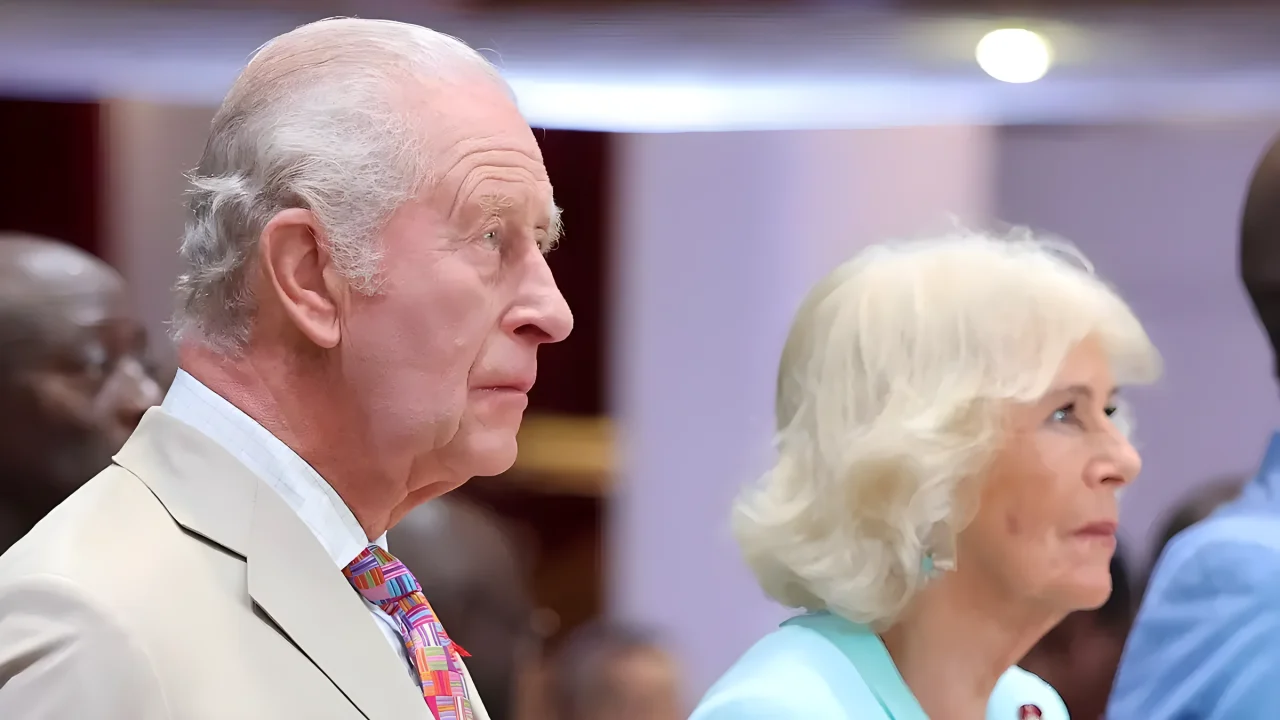
On 27 October, King Charles III and Queen Camilla entered Antigua and Barbuda for a nine‑day Caribbean tour that culminated in the Commonwealth Heads of Government Meeting (CHOGM) from 1 to 4 November. The itinerary placed the monarch at the centre of a debate that has long linked Britain’s imperial past with contemporary calls for apology and reparations.
The first stop was the Government House Museum, where the royal couple walked through newly restored exhibition rooms. Curator Dr Gabriella Howell and UNESCO Antigua and Barbuda Secretary General Dr Reg Murphy guided them past iron shackles, a conch shell once used to summon enslaved labourers, and a copy of the 1834 Declaration of Emancipation. The King paused before a display of Wedgwood ceramic medallions and plantation equipment, inquiring about the everyday objects preserved from that era.
Media additions


Beyond the artefacts, the palace tour included a cross‑section diagram of a transatlantic slave vessel, illustrating the cramped conditions in which Africans were transported to Caribbean shores. Local artists, many trained at the Royal Drawing School, led the royals through contemporary works that echoed the island’s history. Senior assistant Cuthbert Forbes described the trip as an opportunity to “preserve identity… during our 45th anniversary of independence.”
While the tour highlighted the brutal legacy of sugar plantations, local historians emphasised a forward‑looking narrative. “I want them to take away that this is a new developing country… we shouldn’t be dragging the anchors of our past,” said Dr Murphy, who also cautioned that reparations rhetoric is largely political rather than cultural.
"The region is mobilised, the governments are mobilised, so there is no way to describe this CHOGM meeting other than the reparations CHOGM. That is what it is,"
Professor Sir Hilary Beckles, chair of the CARICOM Reparations Commission, via Jamaica Gleaner
The UK’s political context shifted when Prime Minister Andy Burnham said the government was open to listening to calls for a formal apology but would not consider financial reparations. Burnham wrote in The Guardian that “some have called for financial reparations for the slave trade. I do not believe that is the right answer.” His remarks added pressure on the monarch, who under constitutional convention must speak in his capacity as Head of the Commonwealth rather than as a representative of UK policy.
Buckingham Palace confirmed that the King would not shy away from the “darkest days of our past.” A palace spokesperson said the visit would “principally be oriented to the vibrant present and promising future of each country,” while also acknowledging the “important discussions … about colonial legacy and the intergenerational impact of the transatlantic trade.” The palace reiterated that both apology and reparations were matters for the government.
Caribbean leaders reacted with a mix of cautious optimism and insistence on continuing the reparations dialogue. Antigua’s Prime Minister Gaston Browne described the potential UK shift as “significant and welcome,” while Barbados Prime Minister Mia Mottley “recognises and appreciates” the openness to an apology. Bahamian Prime Minister Philip Davis welcomed the change but highlighted disagreements over financial compensation. These comments echo a broader regional stance that reparatory justice remains a priority.
In Jamaica, the government formally asked the King to seek legal advice on whether Britain should pay reparations and expressed encouragement at the palace’s engagement. The Jamaican petition, filed in March, sought to refer three questions about the legality of enslaving Africans to the Judicial Committee of the Privy Council.
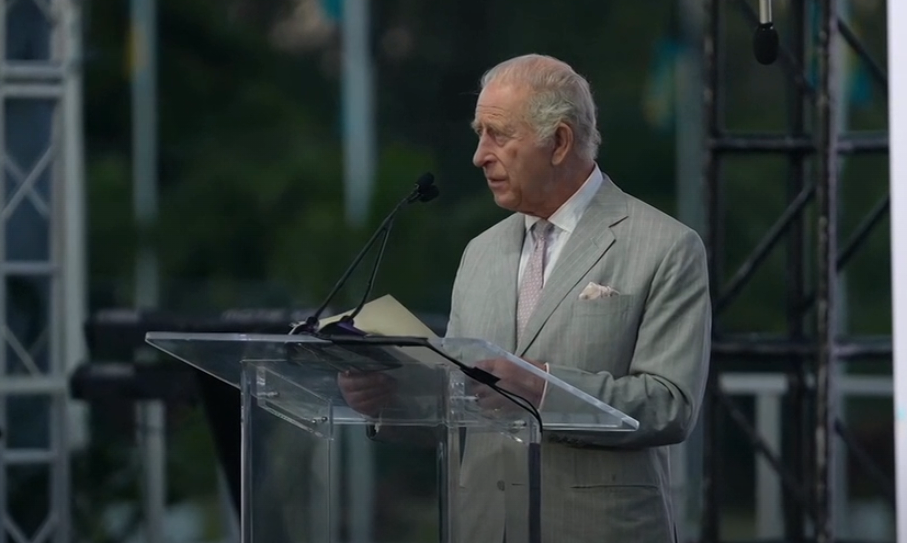
King Charles is scheduled to open the CHOGM with a speech on 3 November. The palace has stated that the address will address the “darkest days of our past” but will not set UK policy. The King’s remarks are expected to be written with input from his private secretary and the Foreign Office, while the palace emphasises that he will speak as Head of the Commonwealth.
Beyond the formal meetings, the royal couple engaged with community events. They unveiled a plaque commemorating the restoration of Government House, a project begun in 2017 that used traditional Caribbean construction techniques. The King also met graduates of The King’s Foundation building craft programme, who had spent eight weeks training in Scotland and had built a pavilion from sustainably sourced Greenheart timber imported from Guyana.
Observers note that while the King’s speeches navigate the boundary between personal sorrow and governmental policy, civil society groups continue to press for institutional redress. The palace’s position that apologies and reparations are matters for the government is unlikely to change in the immediate term, but the discussions at CHOGM could influence future policy.
The summit concludes on 4 November, after which further hearings and legal reviews on reparations are expected to take place in the coming months, according to the palace’s schedule. The outcome of those discussions will shape the trajectory of Britain’s engagement with the legacy of slavery and colonialism in the Caribbean.
How significant is this development?
Contribute your assessment to the aggregated reader sentiment ledger.
Frequently Asked Questions
Key questions answered in this reportWhat is the key development in: King Charles confronts colonial history and slavery relics in Antigua?
King Charles III toured slavery exhibits in Antigua ahead of the Commonwealth summit, facing mounting regional pressure for formal apologies and reparations.
Why is this Culture development significant for the UK?
This report covers critical events in our Culture beat. Independent reporting monitors related UK statements, regulatory shifts, and public responses as further verified details emerge.
How was this reporting corroborated and verified?
Newsarchy UK compiles and cross-references reporting from primary reporting from The i Paper and cross-checked wire reports. All coverage adheres to published editorial standards.
When was this report published?
This briefing was published on November 3, 2026 and is permanently cataloged in the Newsarchy UK Culture archives.