Lisa Nandy orders BBC and Netflix to report on workplace safeguarding
Culture Secretary Lisa Nandy has intervened in the entertainment sector to demand urgent action against workplace abuse from major media organisations.
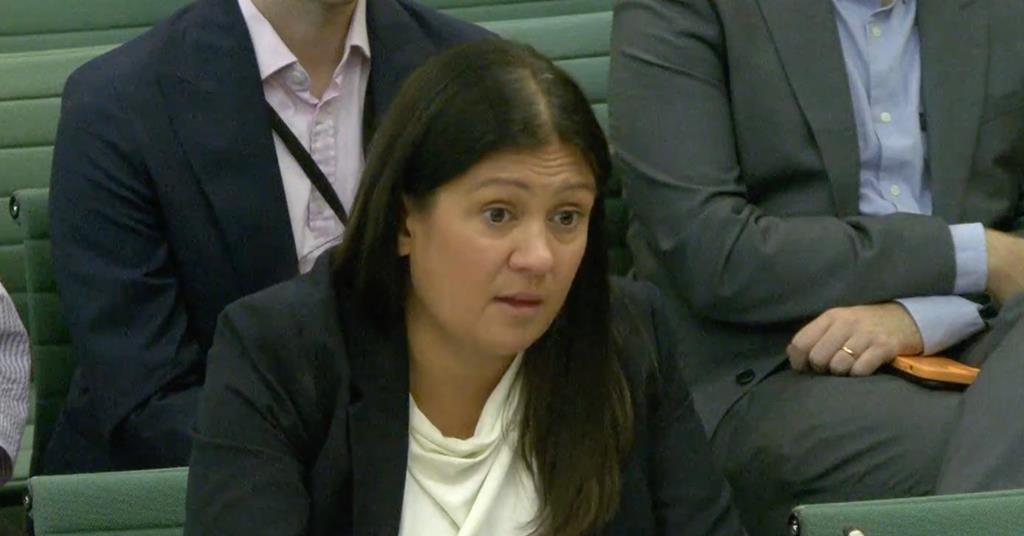
Culture Secretary Lisa Nandy has intervened in the entertainment sector to demand urgent action against workplace abuse.
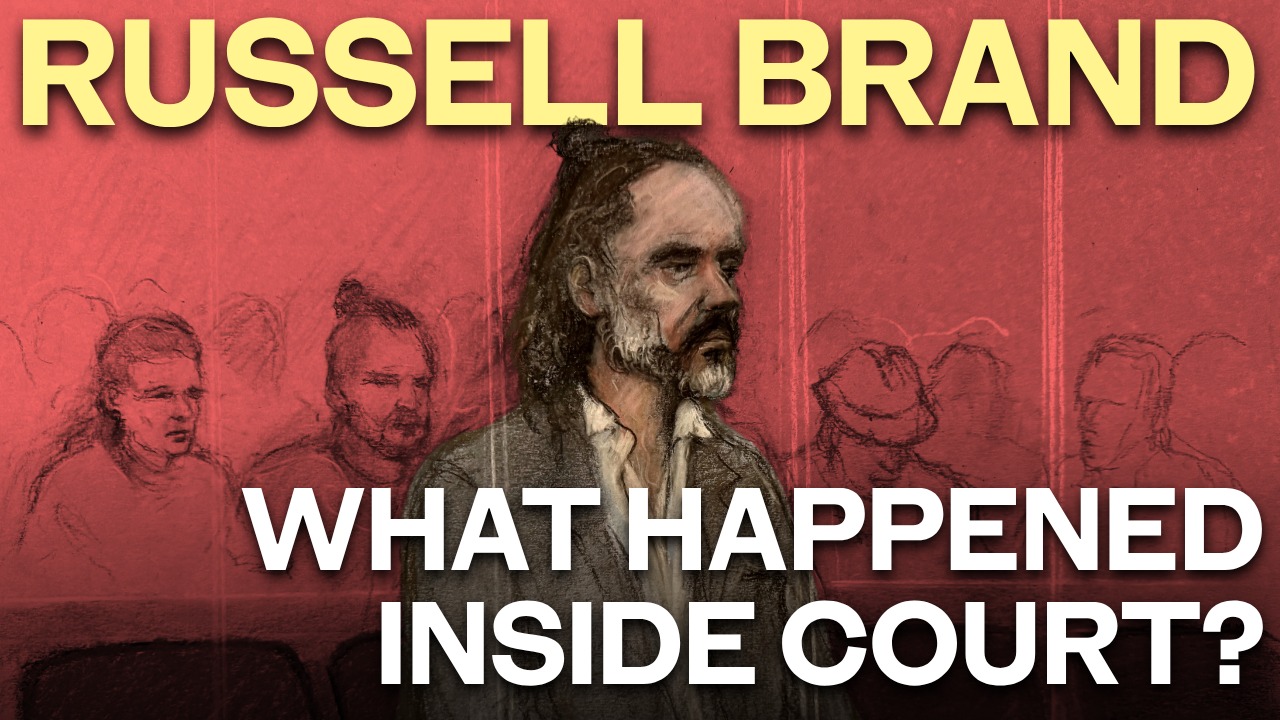
The intervention follows the recent conviction of actor and comedian Russell Brand for rape and sexual assault, prompting government pressure on major media companies to overhaul their internal operations. According to Screen Daily, Nandy convened a roundtable of senior figures from thirty-two organisations on 17 November, bringing together industry giants to address systemic failures.
Media additions

Organisations represented at the summit included Amazon, Bafta, the BBC, the BFI, Channel 4, NBCUniversal, Netflix, Skydance, ITV Studios, Sky, and Sony, alongside various arts councils, publishers, sports bodies, and trade unions. Nandy told the assembled leaders that the same pattern of abuse has repeated for years and must now be broken through systematic change and collaboration between government and industry, as Televisual reported. Televisual noted that the minister told companies she was prepared to mandate action if more was not done to tackle abuse.
The Culture Secretary has asked the organisations to report back in the coming weeks. They must answer three specific questions regarding their internal practices:
- What they are doing to create a culture where bullying, harassment and abuse are routinely challenged
- How they are empowering whistleblowers to speak out and ensuring they are supported to keep working in the creative industries
- How their safeguarding systems apply to freelancers
During the meeting, attendees pledged to step up efforts to safeguard employees. However, union representatives expressed skepticism about voluntary measures alone. Philippa Childs, head of the broadcasting union Bectu, attended the summit and issued a stark warning about the limits of self-regulation.
Childs added that a system relying on voluntary contributions will never be strong enough to solve the crisis, while calling on the government to ensure freelancers are covered by bans on non-disclosure agreements so precarious employment cannot be exploited to silence victims and witnesses."Despite scandal after scandal, it is clear that the creative industries have failed to enact the cultural change needed to protect people from powerful and abusive men"
Philippa Childs, head of Bectu, via Televisual
The discussions placed significant focus on the Creative Industries Independent Standards Authority (CIISA), an independent, industry-funded body established to improve workplace culture and safeguarding. CIISA recently became an officially designated whistleblowing body by the government, and its chief executive, Jen Smith, attended the summit to urge broader industry backing and highlight how the organisation can track patterns of abuse across the sector.
Yet funding remains a contentious point of debate. CIISA is currently supported through voluntary membership fees calculated on a sliding scale based on annual UK turnover, ranging from modest sums up to larger corporate contributions. Critics and unions argue that mandatory funding is essential to secure its long-term viability and independence.
Simultaneously, parliamentary scrutiny is ramping up around the use of non-disclosure agreements. The Digital, Culture, Media and Sport (DCMS) committee announced an evidence session to examine whether confidentiality agreements prevent people from reporting abusive behaviour. The committee is set to scrutinise the impact of NDAs on freelancers, junior employees, and short-term contractors, while exploring forthcoming legislative changes through the Employment Rights Act.
In a letter published on 17 November and addressed to Nandy, DCMS committee chair Caroline Dinenage pressed Nandy for clarification on whether she is satisfied with the industry responses and what enforcement plans exist for CIISA engagement. Dinenage also questioned whether the government would consider providing a financial backstop for CIISA so its operations do not rely entirely on voluntary participation, and inquired whether publicly owned broadcasters like the BBC and Channel 4 are taking a leading role in raising standards.
What to watch next
The political and regulatory timeline is moving rapidly:
- 2 December: The deadline set by DCMS committee chair Caroline Dinenage for Culture Secretary Lisa Nandy to respond to inquiries regarding industry safeguarding assurances, CIISA funding backstops, and the misuse of NDAs.
- Coming weeks: Participating media organisations must report back to the Culture Secretary detailing their anti-harassment measures, whistleblower support systems, and freelance safeguarding policies.
- Next month: The DCMS committee will hold its evidence session examining the impact of non-disclosure agreements in the media and entertainment industries.