UK entertainment industry faces 'reckoning' over sex scandals
Britain's entertainment sector faces mounting calls for reform and oversight following fresh sexual abuse allegations against prominent male stars.

Britain's world-renowned entertainment sector faces mounting calls to usher in sweeping reforms and greater oversight following a fresh slew of rape and sexual abuse allegations against some of its powerful male stars. Prime Minister Andy Burnham warned late Thursday that the media industry must examine whether it is taking all of the necessary steps to protect the safety of women and girls working within the sector.
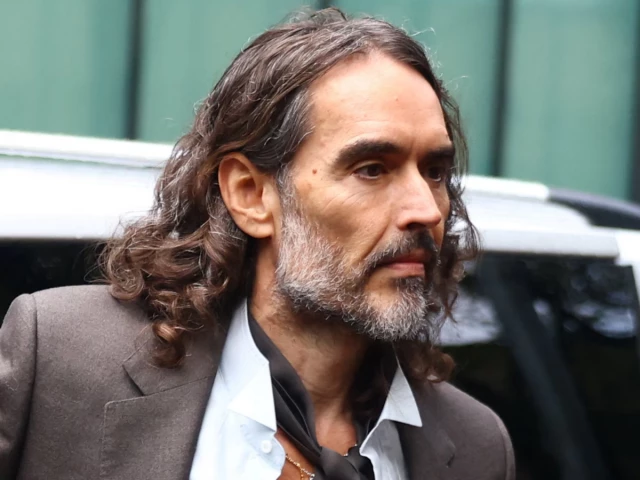
The warnings follow the sentencing of comedian and ex-Hollywood actor Russell Brand, who was jailed for over 10 years at Southwark Crown Court after being convicted of one count of rape and three counts of sexual assault against four women dating back to the 2000s, when he was at the height of his fame. Brand's offences included raping a fan and abusing female staff from media organisations where he worked.
Media additions

Further developments emerged as a Netflix documentary titled *Russell Brand: Open Secret* was released, charting the comedian's journey from comedy stardom to a criminal trial. The documentary features inside voices and archive footage, and includes allegations from Brand's former girlfriend Jordan Martin, who described being sexually assaulted during the relationship and forced to brush her teeth until her mouth bled because the comedian wanted her to "taste anonymous". Additional claims surfaced that six more women have accused Brand of sexual misconduct and predatory behaviour, including allegations of non-consensual sex and attempts to pull a woman into a disabled lavatory at a London venue.
London's Metropolitan Police also stated they are investigating allegations of serious sexual offences made against children's author and comic David Walliams. Walliams has denied the accusations published in a joint investigation by The Guardian and ITV, which included claims that he groomed schoolgirls and sexually assaulted a 15-year-old.
Culture Minister Lisa Nandy intends to meet with industry bosses to warn that ministers would not hesitate to take action if current protections prove inadequate. Nandy stated her belief that such abuse still exists and vowed to draw a line in the sand regarding broadcaster protections.
Industry figures and academics have highlighted structural vulnerabilities within British television and film production. Comedian Lucy Beaumont revealed herself as one of the Guardian's whistleblowers after learning second-hand about accusations, noting that the industry historically featured no HR department and no proper duty of care. Beaumont admitted she felt terrified she might never work in television again after speaking out, though she believes a window of opportunity to change things now exists.
University of York expert Anna Bull pointed out that young freelancers in film and television remain particularly vulnerable due to precarious employment status, gender imbalances in power structures, and a significant downturn in job vacancies in recent years. Bull noted that tougher legislation requiring employers to take all reasonable steps to prevent sexual harassment only came into force a few weeks ago.
Discussion surrounding the timeline of these revelations remains a subject of debate among commentators. While some reports frame the past behaviour of certain entertainers as an open secret, podcasters Richard Osman and Marina Hyde pushed back on that characterization. Osman, who served as a creative director at Endemol UK—the production company that gave Brand his big break hosting Big Brother spin-off shows—argued that while specific rumors of Brand being a sleaze circulated, the illegal nature of the actions did not become common knowledge until a turning point around 2017 and 2018.
Historical Context of UK Entertainment Scandals
- Revelations regarding television presenter Jimmy Savile emerged in 2012, highlighting decades of abuse facilitated by his celebrity status after his death in 2011.
- Subsequent investigations and convictions involved figures such as 1970s glam rocker Gary Glitter and artist Rolf Harris, who was convicted of underage-sex crimes in 2014.
- The wider #MeToo movement began in 2017, bringing renewed focus to workplace harassment and sexual crimes within the industry.
- A joint Dispatches investigation by Channel 4 alongside The Times and The Sunday Times prompted further whistleblowers to come forward in 2023.
Legal experts and researchers have emphasized the need for systemic changes alongside government reforms. University of Leeds media lecturer Kat Higgins argued for a cultural reckoning to dismantle the culture of doubt confronting survivors, alongside reforms to stop the pernicious use of non-disclosure agreements to silence victims. Walliams had initially been able to use legal arguments regarding his mental health to block publication of the claims against him.
Further developments and regulatory actions are expected as the Culture Minister holds discussions with broadcasting executives next week.