UK government drops plan to charge foreign visitors for national museums
The UK government has officially abandoned proposals to introduce admission fees for international tourists at national museums, ensuring universal free entry remains protected.
- Core Development: The UK government has officially abandoned proposals to introduce admission fees for international tourists at national museums, ensuring universal free entry remains protected.
- Beat Context: Categorized under Culture with independent corroboration.
- Reporting Depth: 4 minute analytical read synthesized from verified newsroom sources.
The UK government has dropped its controversial plan to introduce admission charges for foreign visitors at national museums, confirming that universal free entry will be protected for all visitors. The decision ends months of speculation and policy evaluation regarding how major cultural institutions should manage their finances amid ongoing funding pressures.
The reversal comes following extensive discussions involving government departments, museum leadership, the tourism sector, and local figures. According to Traveltomorrow, the proposal initially emerged during broader talks regarding sustainable funding models for cultural institutions. Government ministers had previously signaled openness to exploring international charges, noting in March that such fees could offer significant financial benefits. That exploration was prompted by an independent review of Arts Council England published in December by former Labour minister Baroness Margaret Hodge, which suggested aligning Britain with models used in countries like New Zealand and Singapore.
Media additions

However, the Department for Digital, Culture, Media and Sport (DCMS) confirmed its final stance, stating that entry fees for international tourists would not be pursued. Reporting by The Guardian noted the government's official rationale: charging overseas visitors carries the risk of deterring domestic visitors, while the positive economic impacts would fail to support all institutions equally across the sector.
Culture Secretary Lisa Nandy defended the decision during an appearance at Tate Liverpool, speaking at an event hosted by the Art Fund and the Cultural Policy Unit, as detailed by Anglotopia. Our museums are the places that light up the world,
Nandy said, adding, That’s why they must be free, forever, for everyone to access.
Traveltomorrow noted that Nandy formally put the debate to rest by pledging to defend open access for all.
| Institution | 2025 Visitor Numbers | Funding & Policy Status |
|---|---|---|
| Natural History Museum | 7.1 million | Remains free for all visitors; benefits from DCMS infrastructure allocations |
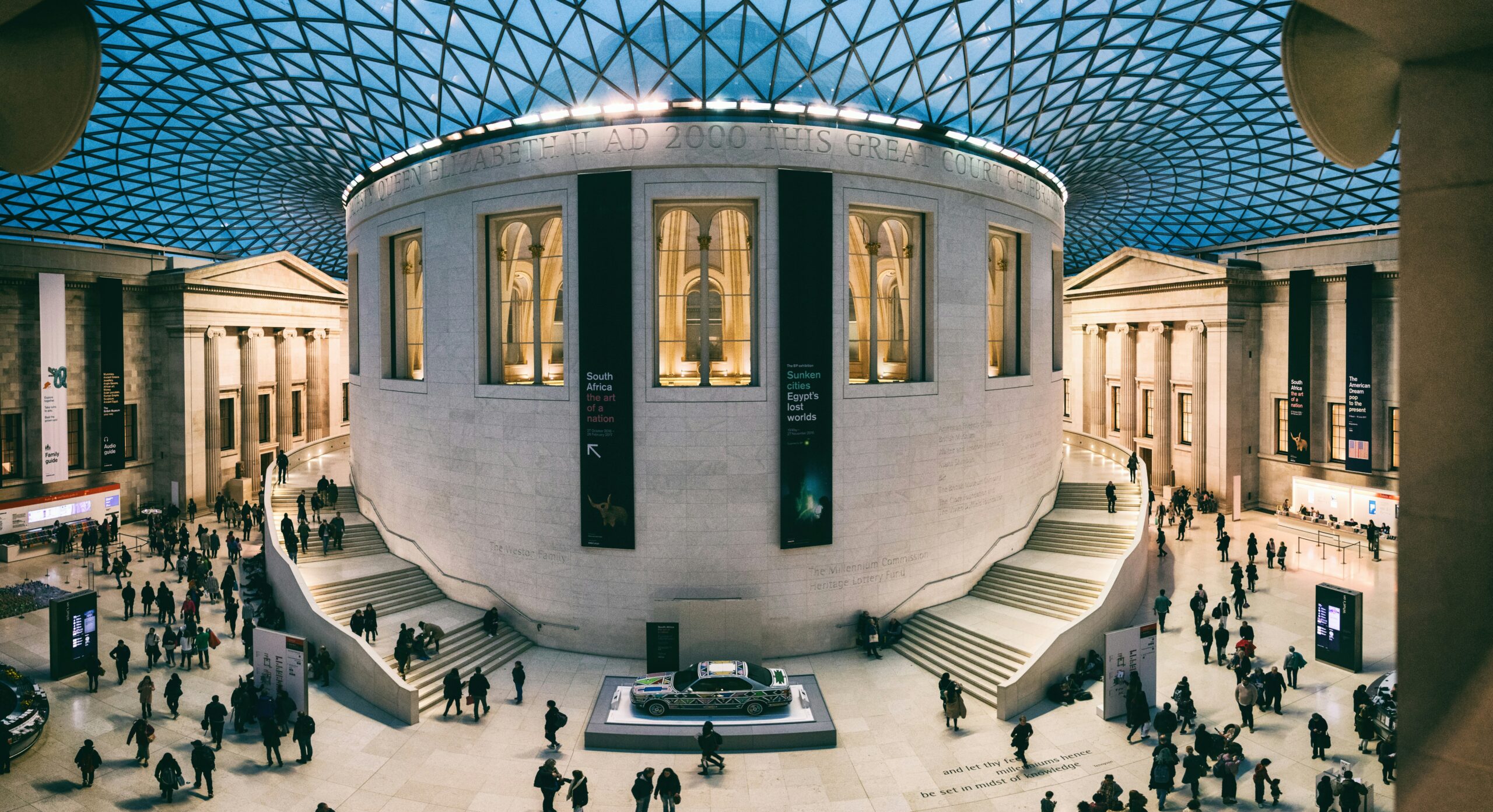
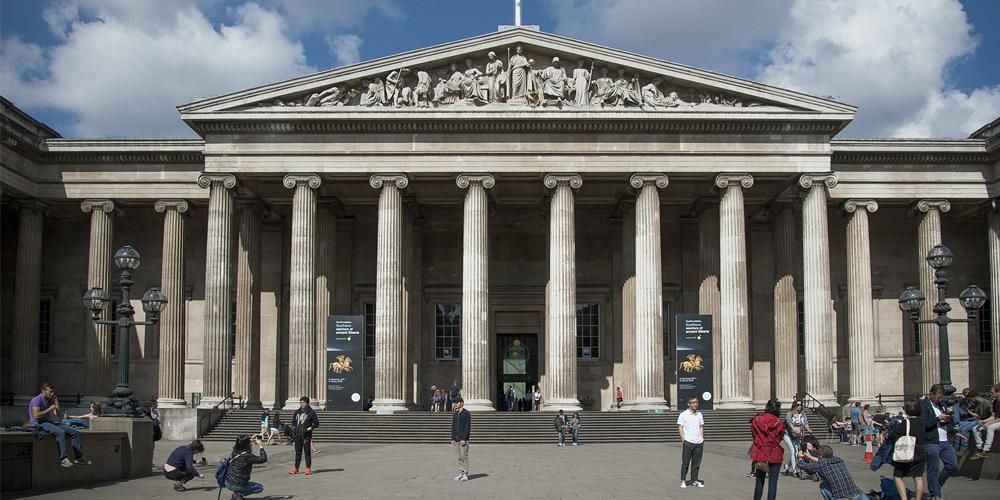
| British Museum | 6.4 million | Remains free for permanent collections; separate tickets required for special exhibitions |
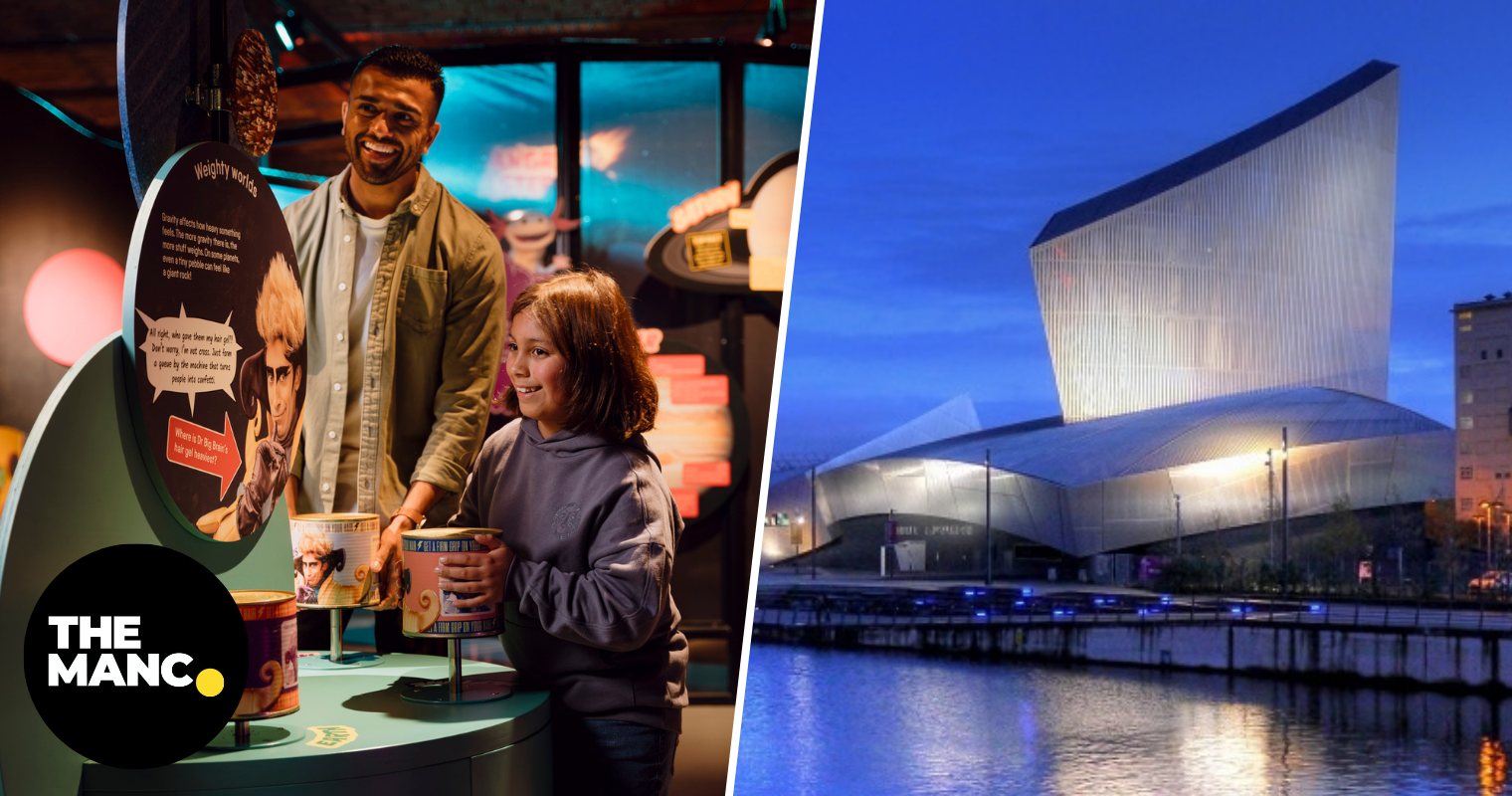
The policy continuation preserves a milestone established under Sir Tony Blair’s Labour government, which first introduced free admission to national museums in December 2001. As highlighted by Themanc and GOV.UK, these institutions form a cornerstone of the nation’s tourism and economy. National museums generate over £1 billion annually in secondary economic activity, with seven of the UK's ten most visited museums falling into the national category. The sheer volume of foot traffic underscores their cultural footprint, though commentators like Ianvisits emphasize that the value of free access extends far beyond economic metrics, serving as a vital psychological antidote to the rising costs associated with visiting major urban centres like London.
Reaction from museum directors and civic leaders was swift and supportive. British Museum director Nicholas Cullinan noted that the institution was founded in 1753 under the founding principle of remaining free for all persons, telling The Independent and barrheadnews.com that the confirmed continuation of free access preserves an invaluable national asset. Natural History Museum director Dr Doug Gurr acknowledged to arise.tv that while individual institutions might have gained short-term financial boosts from targeted tourist fees, the broader cultural ecosystem would have suffered.
To address underlying financial concerns without resorting to visitor levies, the government pointed to substantial financial allocations. According to Azernews, financial backing is being channelled through the £1.5 billion Arts Everywhere Fund, which allocates £760 million directly to museums. An additional £600 million in infrastructure funding is designated for national museums and Department for Digital, Culture, Media and Sport (DCMS)-sponsored cultural organisations to address critical estate maintenance. Furthermore, local and regional museums will share £160 million via the Museum Estates and Development Fund, complemented by a £13.6 million transformation programme aimed at securing sustainable business models.
While general admission to permanent collections remains entirely free across the 15 direct DCMS-funded institutions—including the Victoria and Albert Museum, the National Gallery, and Tate galleries—visitors should note that special exhibitions and temporary displays still require separate ticketing, as reported by Anglotopia and Traveltomorrow.
What to Watch Next
- The government and Arts Council England will collaborate on a long-term strategic plan for the future of museums, with further details expected in due course.
- Cultural organisations will begin deploying the newly announced infrastructure funding and transformation grants to tackle estate maintenance backlogs.
- Regional authorities evaluate separate proposals regarding local tourism taxes on overnight stays, which may intersect with future arts funding discussions.
How significant is this development?
Contribute your assessment to the aggregated reader sentiment ledger.
Frequently Asked Questions
Key questions answered in this reportWhat is the key development in: UK government drops plan to charge foreign visitors for national museums?
The UK government has officially abandoned proposals to introduce admission fees for international tourists at national museums, ensuring universal free entry remains protected.
Why is this Culture development significant for the UK?
This report covers critical events in our Culture beat. Independent reporting monitors related UK statements, regulatory shifts, and public responses as further verified details emerge.
How was this reporting corroborated and verified?
Newsarchy UK compiles and cross-references reporting from primary reporting from traveltomorrow.com and cross-checked wire reports. All coverage adheres to published editorial standards.
When was this report published?
This briefing was published on September 30, 2026 and is permanently cataloged in the Newsarchy UK Culture archives.