US government shutdown threatens food aid and military pay as crisis enters fifth week
The US government shutdown enters its fifth week, putting food assistance for millions of Americans and military paycheques at severe risk.
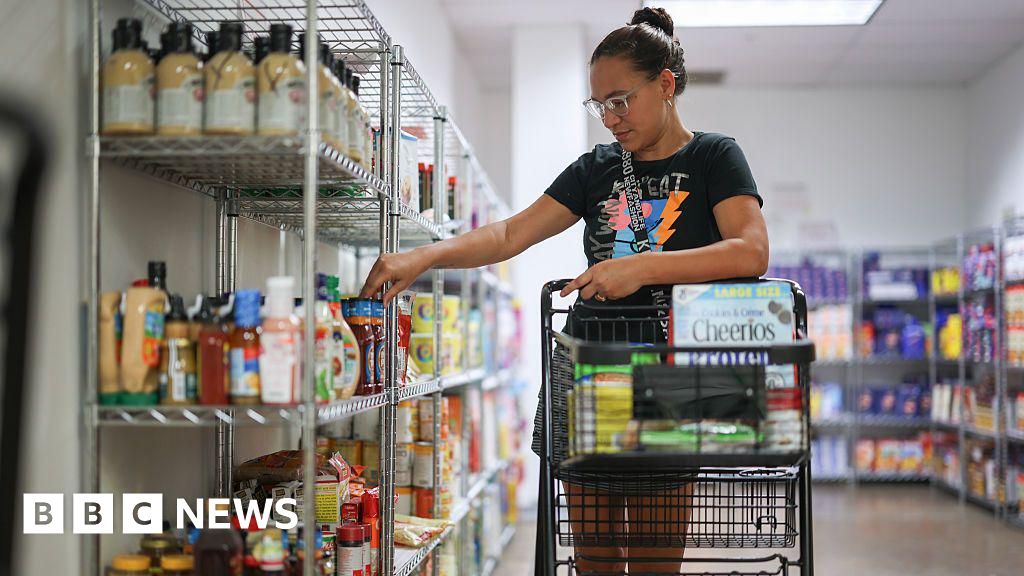
- Core Development: The US government shutdown enters its fifth week, putting food assistance for millions of Americans and military paycheques at severe risk.
- Beat Context: Categorized under Culture with independent corroboration.
- Reporting Depth: 4 minute analytical read synthesized from verified newsroom sources.
The US government shutdown has entered its fifth week, plunging millions of Americans into acute economic distress as food assistance programs face imminent collapse and essential service workers go without pay. According to reporting from the BBC, the ongoing legislative deadlock on Capitol Hill between Democrats and Republicans over passing a spending plan to reopen federal agencies threatens basic provisions for vulnerable households, while simultaneously forcing federal employees, air traffic controllers, and active-duty military personnel to shoulder severe financial burdens. As the crisis deepens, state governors are declaring emergencies and federal agencies are scrambling to repurpose emergency accounts to avert total systemic failure.
The most immediate crisis centers on the Supplemental Nutrition Assistance Program (Snap), which supports more than 40 million Americans, according to the BBC. While funding sustained operations through the first four weeks, the Trump administration stated that the money will run out, risking a lapse in food stamps for the first time in the program's history. Snap is a critical lifeline that keeps families out of poverty,
Hannah Garth, a Princeton University professor who studies food insecurity, told the BBC. Food banks and pantries nationwide are already reporting severe strain from an influx of federal workers and families seeking emergency provisions. In response to the impending freeze, New York Governor Kathy Hochul declared a state of emergency on a Thursday to assist millions of affected residents, while half of US states and the District of Columbia filed lawsuits against the administration over the halted aid. Some states, such as Virginia, stated they can make up for the shortfall in November, whereas Massachusetts reported it cannot cover the gap.
Media additions


Military families are absorbing a parallel blow. More than a million service members face missed paycheques, compounding a reality where a quarter of military families are considered food insecure, and 15% rely on Snap or food pantries, according to research cited by the BBC from the research firm Rand. Furthermore, the Military Family Advisory Network estimates that 27% of military families have minimal emergency savings. Although the Pentagon accepted a private financial gift from a wealthy donor to help pay salaries, it only amounts to a fraction for each active-duty service member expecting to be paid. To cover payroll, the White House planned to draw from a military housing fund, a research-and-development account, and a defence procurement fund, moving money from military research as it did earlier in the month. Numerous military families reported to the National Military Family Association that they have been underpaid by varying amounts during the shutdown. Similar strains affect energy assistance initiatives like the Low Income Home Energy Assistance Program, where households relying on heating oil and propane face severe weather conditions without guaranteed utility support as temperatures drop.
| Impacted Sector | Affected Population | Source Estimate / Detail |
|---|---|---|
| Food Aid (Snap) | 40+ million Americans | Funding exhausted by November; first-ever potential historical lapse |
| Military Personnel | 1+ million service members | Missed paycheques averted partially via internal account transfers and donor funds |
| Federal Civilian Workers | Millions of employees | Wages withheld, with billions in missing pay projected if prolonged |
Civilian federal employees are experiencing a slow burn of financial pressure as the shutdown drags on, with congressional aides on Capitol Hill among those going without pay. According to the Bipartisan Policy Center, if the shutdown continues until 1 December, about 4.5 million paycheques will be withheld from federal civilian employees, totaling approximately $21bn in missing wages. Simultaneously, thousands of air traffic controllers missed their first paycheques and must continue working without pay as essential personnel. Transportation Secretary Sean Duffy warned that flight delays stem from controller absences, and cautioned that workers could be fired if they fail to show up, even as controllers report taking on second jobs. Nick Daniels, president of the National Air Traffic Controllers Association, stated at a press conference that problems are mounting daily.
What happens next remains dependent on political negotiations in Washington, as lawmakers must reach a bipartisan spending agreement to reopen federal agencies and restore normal appropriations for nutrition, military, and civilian payrolls.
How significant is this development?
Contribute your assessment to the aggregated reader sentiment ledger.
Frequently Asked Questions
Key questions answered in this reportWhat is the key development in: US government shutdown threatens food aid and military pay as crisis enters fifth week?
The US government shutdown enters its fifth week, putting food assistance for millions of Americans and military paycheques at severe risk.
Why is this Culture development significant for the UK?
This report covers critical events in our Culture beat. Independent reporting monitors related UK statements, regulatory shifts, and public responses as further verified details emerge.
How was this reporting corroborated and verified?
Newsarchy UK compiles and cross-references reporting from primary reporting from ca.news.yahoo.com and cross-checked wire reports. All coverage adheres to published editorial standards.
When was this report published?
This briefing was published on October 25, 2026 and is permanently cataloged in the Newsarchy UK Culture archives.