France arrests nearly 1,000 as protests turn violent in Paris, Marseille
France's streets saw mass protests turn violent, leading to nearly 1,000 arrests and the deployment of 70,000 police officers across multiple cities.
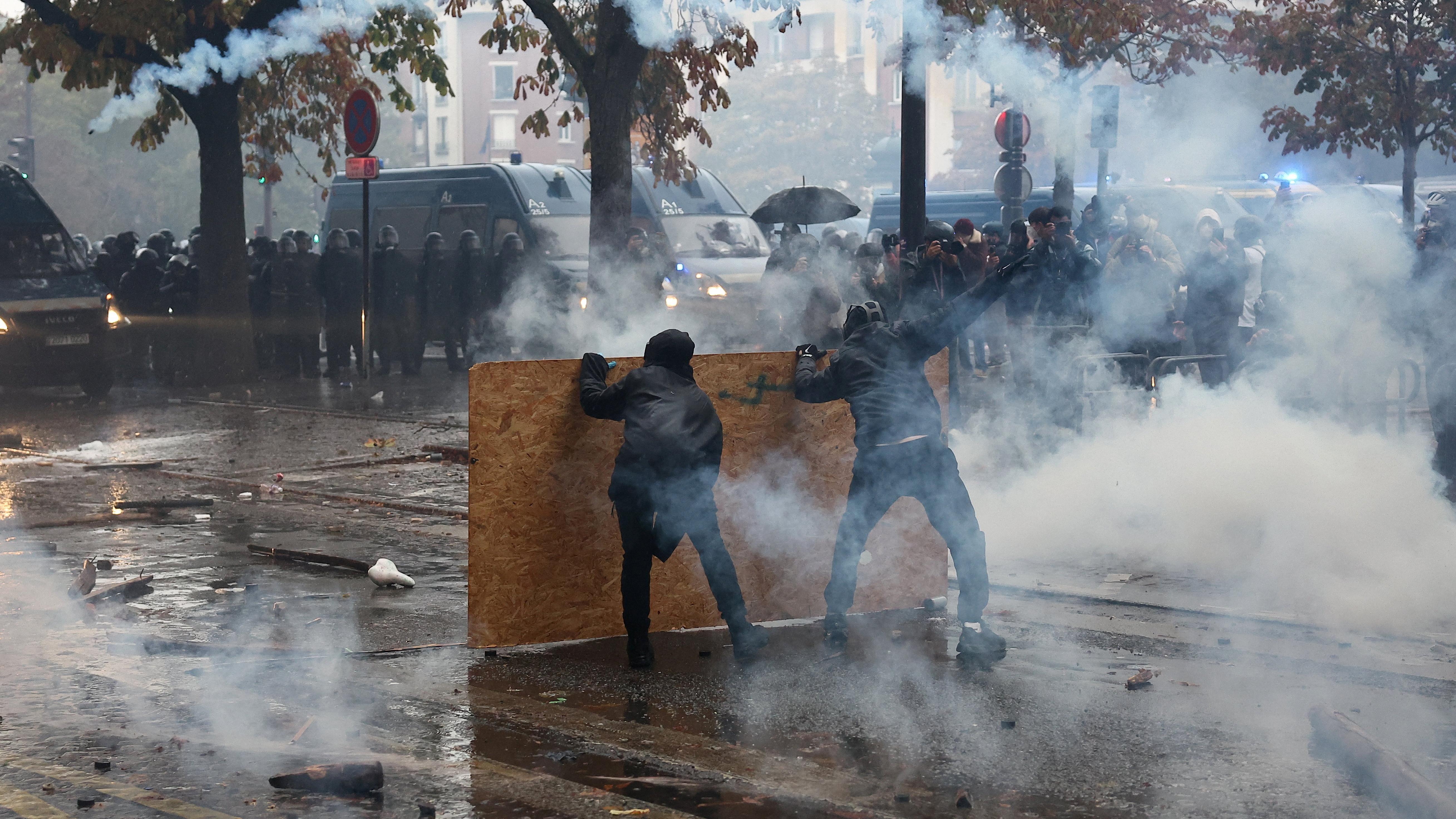
- Core Development: France's streets saw mass protests turn violent, leading to nearly 1,000 arrests and the deployment of 70,000 police officers across multiple cities.
- Beat Context: Categorized under World with independent corroboration.
- Reporting Depth: 4 minute analytical read synthesized from verified newsroom sources.
On Saturday, 24 October 2026, France’s streets erupted in a second wave of mass protests that turned violent in Paris, Marseille and other cities. Nearly 1,000 people were arrested, tear gas and water cannon were deployed, and barricades were set alight. The events are a stark reminder that the country is still in the throes of a protest movement that could shape the May 2027 presidential election.
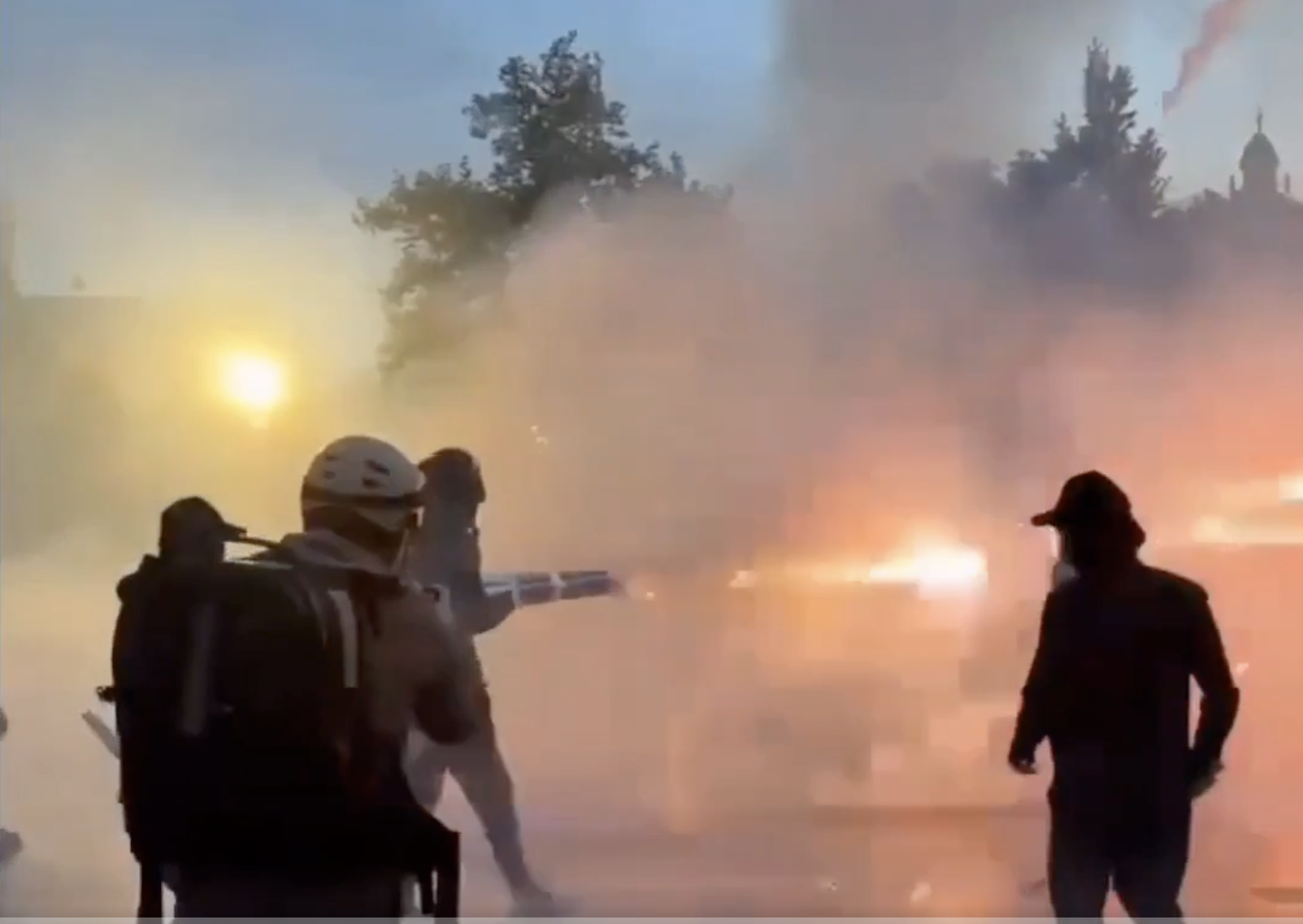
The day began with a largely peaceful march that started at Porte d’Italie and ended near Porte de Vincennes. As the procession entered the city’s southeastern edge, police moved in with riot gear and began firing tear gas. Protesters in black clothing threw projectiles and some set fire to rubbish bins in Marseille. In Lyon, a crowd of about 150 students was dispersed by tear gas near Place Jean Macé. In Bordeaux, demonstrators ripped boards from a shop to build a barricade and were later met with tear gas from the police.
Media additions


Interior Minister Laurent Nuñez said the police had made nearly 1,000 arrests across the country, a figure he expected would rise as more were counted. He added that the number of officers deployed had reached 70 000, a 20 percent increase over the previous weekend, and that the elite RAID unit had been on standby to support the operation. The ministry’s figures placed 110 000 protesters in Paris, while the CGT union claimed almost 250 000 had marched in the capital.
In Marseille, the police reported 17 000 participants, whereas the union estimated 100 000. The city’s authorities allowed a march under strict conditions, but clashes erupted near the endpoint where water cannon and tear gas were used. Lyon’s protest was banned in the city centre, but a smaller gathering outside the prohibited zone was still dispersed with tear gas. In Bordeaux, the authorities closed 24 metro stations and shut major cultural institutions, including the Louvre and Musée d’Orsay, to protect the public.
The protests were not limited to the capital. In the south‑west city of Toulouse, 26 500 people joined the demonstrations, and two individuals were seriously injured there. In Clermont‑Ferrand, another serious injury was reported. In Nice and Nantes, water cannon were fired to break up smaller gatherings. In Paris, the police also used a water cannon to disperse a crowd in the eastern suburbs, and a law‑enforcement vehicle was seen driving through a burning barricade in Marseille.
While the violence was contained compared with the previous weekend’s riots that saw more than 2 500 arrests and widespread looting, the authorities were cautious. The Interior Ministry said the measures were aimed at preventing a repeat of the “worst scenes of disorder in France’s modern history.” The ministry’s statement echoed President Emmanuel Macron’s earlier decree that only demonstrations organised by recognised trade unions would be permitted.
Amid the unrest, the far‑right National Rally held a two‑day congress in Orléans. The party’s re‑election of Jordan Bardella as president, with 98 % of the vote, was announced on Saturday. The congress drew a peaceful protest of 13 000 people who opposed the party’s platform. The protest was organised by anti‑fascist groups and was held in the city’s northern outskirts.
In addition to the domestic unrest, protests in other European capitals were reported. In Tirana, Albania, riot police fired tear gas to disperse thousands of anti‑government demonstrators. In Brussels, Belgium, clashes were also reported. The unrest in Spain’s Madrid was largely peaceful, focusing on pension reform, and there were no reports of widespread violence.
| Metric | Interior Ministry | Union/Other Sources |
|---|---|---|
| Nationwide turnout | 410 000 | ≈800 000 (CGT) |
| Paris turnout | 110 000 | ≈250 000 (CGT) |
| Arrests in Paris | ≈500 | ≈64 (Paris prosecutor’s office) |
| Total arrests nationwide | ≈1 000 | ≈1 000 (reported by minister) |
| Police officers deployed | 70 000 | ≈70 000 (minister’s statement) |
French authorities are monitoring the situation closely as the country approaches the presidential election. Macron’s popularity has dipped to its lowest since 2017, and the protests have amplified calls for policy changes and a new political direction. The government’s response to the protests has been under scrutiny, with some officials offering to resign over the loss of control in certain cities during last weekend’s unrest.
What to watch next:
- In the coming days, the Interior Ministry will publish a detailed list of arrests, including the number of minors detained.
- The National Assembly is expected to debate measures to strengthen policing and to address the underlying causes of the protests, particularly school funding and living costs.
- Political parties are likely to use the unrest to rally supporters ahead of the May 2027 election, with the National Rally poised to launch a full campaign in the months ahead.
As the protests continue, the French public remains divided. Some see the demonstrations as a necessary challenge to an unresponsive government; others view the violent incidents as a threat to public order. The outcome of this turmoil will shape France’s political landscape for years to come.
How significant is this development?
Contribute your assessment to the aggregated reader sentiment ledger.
Frequently Asked Questions
Key questions answered in this reportWhat is the key development in: France arrests nearly 1,000 as protests turn violent in Paris, Marseille?
France's streets saw mass protests turn violent, leading to nearly 1,000 arrests and the deployment of 70,000 police officers across multiple cities.
Why is this World development significant for the UK?
This report covers critical events in our World beat. Independent reporting monitors related UK statements, regulatory shifts, and public responses as further verified details emerge.
How was this reporting corroborated and verified?
Newsarchy UK compiles and cross-references reporting from primary reporting from BBC and cross-checked wire reports. All coverage adheres to published editorial standards.
When was this report published?
This briefing was published on October 24, 2026 and is permanently cataloged in the Newsarchy UK World archives.


