Andrew receives £302,000 pay-off for leaving Royal Lodge early
Andrew Mountbatten-Windsor has officially surrendered his lease on the Royal Lodge mansion, triggering a £302,000 compensation payout.
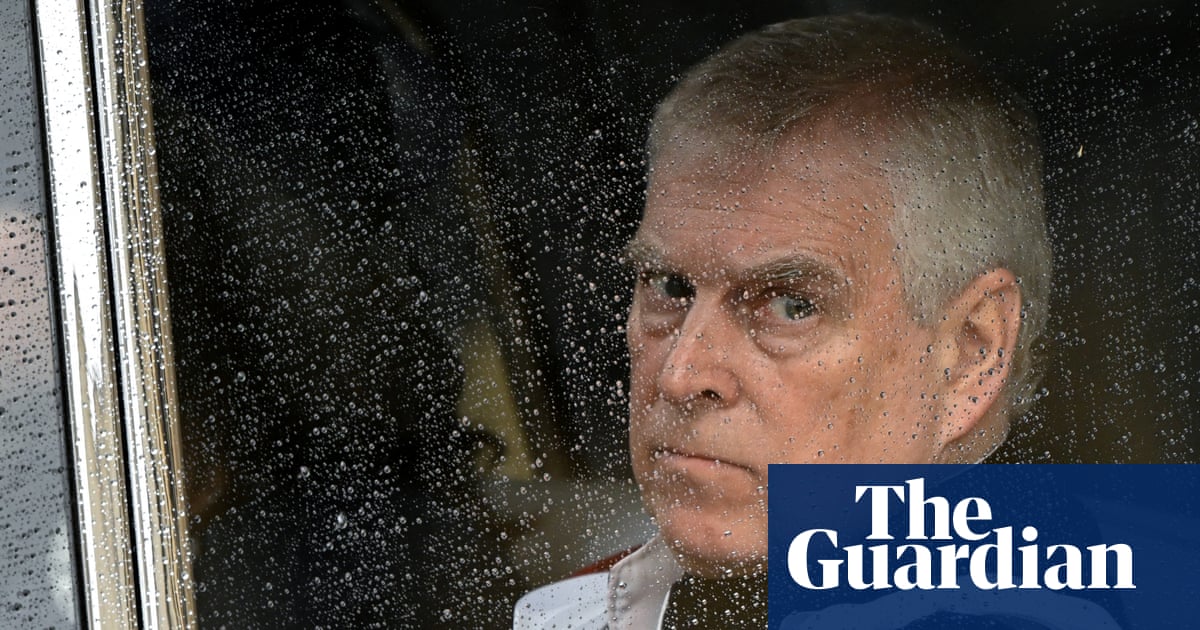
- Core Development: Andrew Mountbatten-Windsor has officially surrendered his lease on the Royal Lodge mansion, triggering a £302,000 compensation payout.
- Beat Context: Categorized under News with independent corroboration.
- Reporting Depth: 5 minute analytical read synthesized from verified newsroom sources.
Andrew Mountbatten-Windsor has officially surrendered his lease on the Royal Lodge mansion in Windsor, triggering a compensation payout that has immediately reignited fierce public debate over royal property privileges and taxpayer funds. According to The i Paper, the former duke has been granted £302,000 in compensation for ending the 30-room property agreement more than half a century ahead of schedule. The financial settlement concludes a controversial chapter for the residence, which has sat vacant since the occupant vacated the premises earlier in the year amid intense public scrutiny over his associations with the late sex offender Jeffrey Epstein.
The formal surrender was confirmed on Friday, 9 October 2026, by the Crown Estate, which manages public property for the nation and returns its profits to the Treasury. Under the complex financial clauses built into the original agreement signed decades ago, the former prince was legally entitled to compensation because the lease was terminated within its first 25 years. This clause was originally inserted due to the substantial initial investment made when he first moved in.
Media additions


Financial disclosures from the Crown Estate outline a net transaction where the former royal paid £1.8 million for required repair and restoration work to address the dilapidated state of the property. When offset against the £302,000 early-termination compensation, his total financial obligation for the departure settled at £1.5 million. Earlier statements provided to MPs on the Commons Public Accounts Committee had suggested that end-of-tenancy dilapidation costs might completely wipe out any payout entitlement, making the final compensation figure a surprise to parliamentary observers.
| Financial Metric | Amount | Details |
|---|---|---|
| Initial Refurbishment | £7.5 million | Invested when Andrew first moved into the 30-room property over two decades ago. |
| Lease Cost | £1 million | Original sum paid for the lease agreement designed to run until 2078. |
| Repair and Restoration Bill | £1.8 million | Paid by the former prince upon handing back the mansion. |
| Early Surrender Compensation | £302,000 | Granted by the Crown Estate for terminating the lease more than 50 years early. |
| Net Repair Obligation | £1.5 million | Final amount after deducting the compensation from the restoration costs. |
The arrangement has drawn immediate condemnation from transparency campaigners and anti-monarchy groups, who argue that the public purse is unfairly subsidising a disgraced figure. Graham Smith, chief executive of the anti-monarchy group Republic, criticised the terms of the departure.
Smith called for a formal inquiry into the operational relationship between the Crown Estate and the royal family."If Andrew had exclusive access to Crown Estate property by virtue of being royal then losing that position should mean losing the benefits without it costing the taxpayer £302,000,"
Graham Smith, chief executive of Republic, via The i Paper
Similar outrage was expressed by Norman Baker, a former minister and author of Royal Mint: National Debt, who told The i Paper that it was outrageous for public money to flow toward the royal. Baker also pointed to earlier revelations from a National Audit Office investigation, which uncovered that the former duke had collected undisclosed private income by subletting three adjacent cottages on the estate while paying only a nominal peppercorn rent for the grand mansion itself. Royal commentator Richard Fitzwilliams echoed these concerns, telling reporters that the deal left the distinct impression that taxpayers were shortchanged by legacy lease structures that also affect other royal residences such as Bagshot Park.
The controversy surrounding the property surrender unfolds concurrently with separate legal battles. According to reporting by The Guardian, the former prince has pursued legal action against Thames Valley Police and the central criminal court regarding search warrants executed in February on both Royal Lodge and his new residence at Marsh Farm on the King's Sandringham estate in Norfolk. Thames Valley Police arrested him on his birthday on suspicion of misconduct in public office following document disclosures from the Jeffrey Epstein files, though he denies any wrongdoing and remains released under investigation.
While the High Court recently determined that police search warrants executed against his properties were unlawful and must be quashed, investigators are locked in a separate battle to retain the seized evidence. A private High Court hearing before Mr Justice Hilliard was scheduled to determine whether documents concerning the judicial review can be made public, with police and the court opposing publication. Buckingham Palace sources have indicated that the King has made it clear that private funds from the royal stipend should not be utilised to finance his brother's ongoing legal defence, leaving questions as to how the mounting legal bills will be settled.
Following the formal conclusion of the tenancy, The Crown Estate stated that its primary focus has shifted entirely to the future of the Windsor estate. The property empire must now navigate complex statutory requirements under section 5 of the Crown Estate Act 1961, which mandates that the Windsor Estate maintain its character as a Royal Park. Officials will decide whether the mansion can be let to a private individual or must be allocated within the royal household, with the estate planning to market the property through two nationally recognised agents to maximize financial returns for the nation.
As the Crown Estate begins marketing Royal Lodge to prospective tenants, the public and parliamentarians will be watching closely to see whether future estate agreements eliminate peppercorn leases entirely.
How significant is this development?
Contribute your assessment to the aggregated reader sentiment ledger.
Frequently Asked Questions
Key questions answered in this reportWhat is the key development in: Andrew receives £302,000 pay-off for leaving Royal Lodge early?
Andrew Mountbatten-Windsor has officially surrendered his lease on the Royal Lodge mansion, triggering a £302,000 compensation payout.
Why is this News development significant for the UK?
This report covers critical events in our News beat. Independent reporting monitors related UK statements, regulatory shifts, and public responses as further verified details emerge.
How was this reporting corroborated and verified?
Newsarchy UK compiles and cross-references reporting from primary reporting from inews.co.uk and cross-checked wire reports. All coverage adheres to published editorial standards.
When was this report published?
This briefing was published on October 9, 2026 and is permanently cataloged in the Newsarchy UK News archives.