Prisoner early release scheme paused by Andy Burnham may still go ahead
Prime Minister Andy Burnham has paused the prison early-release scheme to conduct an urgent review, leaving staff and victims' families awaiting a decision.
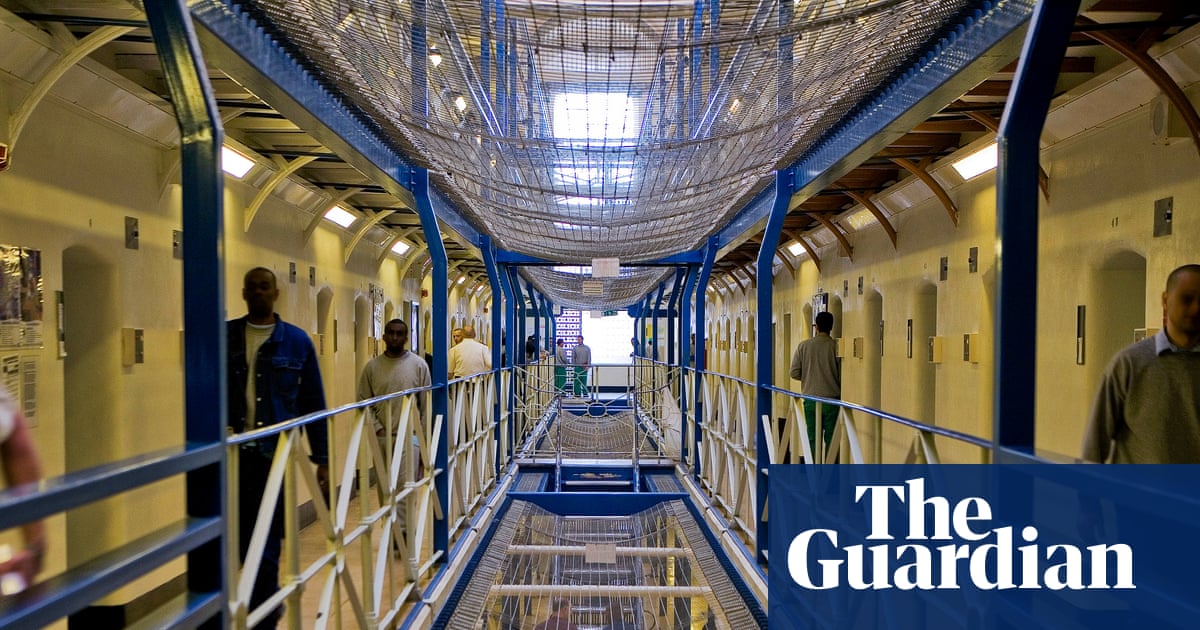
- Core Development: Prime Minister Andy Burnham has paused the prison early-release scheme to conduct an urgent review, leaving staff and victims' families awaiting a decision.
- Beat Context: Categorized under News with independent corroboration.
- Reporting Depth: 3 minute analytical read synthesized from verified newsroom sources.
Burnham’s decision arrives in the middle of his first week in No 10, a week that has also seen announcements on business rates, bus fares and a cut to electricity‑VAT. The early‑release pause, reported by the BBC, is the latest illustration of the new premier’s attempt to give people “breathing space” while juggling a prison system that officials say is “near capacity”.
Victims’ families have been vocal. Debbie Adlam, whose son Officer Andrew Harper was killed in 2020, called the inclusion of two of the killers – Jessie Cole and Albert Bowers – “another letdown” for her family. After the pause was announced, she told ITV News that it was “not enough”, but welcomed the move as a starting point for “sensible alternatives”.
Media additions
"I am working closely with the new justice secretary and have instructed my team to put a pause on the changes that were due to start in September. No prisoners will be let out under this policy until we have conducted an urgent review and done everything we can to minimise risk to the public. Where changes are needed, we will not hesitate to make them."
Andy Burnham, Prime Minister, via The Guardian
Justice Secretary Alex Norris echoed the prime minister’s caution, stressing the need for “time to get it right”. He said the pause provides an “important” window to ensure “the best” outcomes for both the public and offenders.
"We’ve put an important pause on this policy. It gives us a little bit of time to look at this, to make sure we do our best by you."
Alex Norris, Justice Secretary, via The Guardian
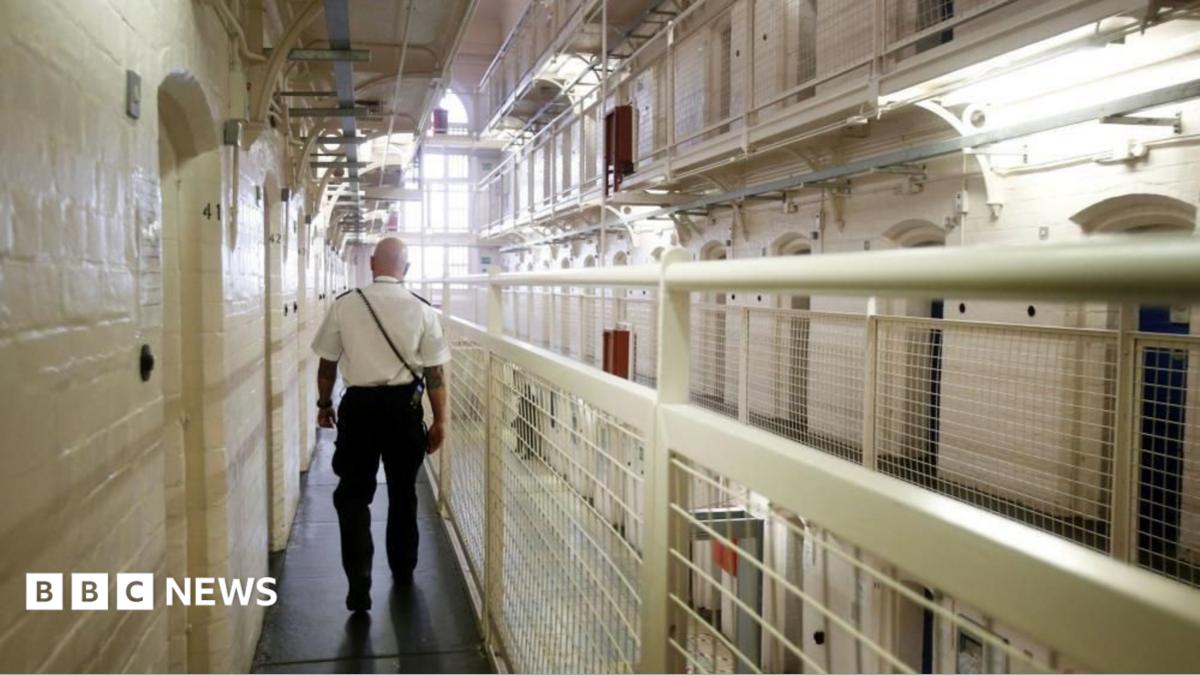
Behind the political rhetoric lies a logistical nightmare. The Prison Officers’ Association (Napo) warned that staff have been left “in a sense of chaos” after the scheme was halted. National officer Tania Bassett described a situation where probation officers, who normally need six to eight weeks to complete risk assessments, accommodation referrals, home visits and tagging arrangements, are now unsure whether to continue work that was slated for release dates beginning 2 September.
"Napo’s concern is this will mean probation staff stop doing pre‑release work. Whatever the prime minister’s final decision is, he has created a delay as well as confusion amongst the staff tasked with dealing with this. He needs to be more decisive about critical public protection issues and we urge him to treat this situation with the utmost urgency."
Tania Bassett, Napo national officer, via The Guardian
The underlying legislation is the Sentencing Act 2026, which replaces the automatic halfway release for standard determinate sentences with a tiered model based on behaviour. Most prisoners would become eligible after serving a third of their term rather than 50 percent, with the balance served under supervision and electronic tagging. For sexual or violent offences, the automatic release point is set at two‑thirds, but can be reduced to the halfway mark if the offender has not committed serious breaches.
The plan’s critics argue that, given the “near capacity” status of prisons, the scheme was a gamble. Government officials have warned that without the early releases, the system could run out of space by November. Yet officials have not ruled out amending the scheme to bar offenders convicted of attacks on emergency workers – such as Harper’s killers – or crimes against women and girls.
Ministerial sources confirmed that Henry Long, the main perpetrator in Harper’s case, will not be eligible for early release, while Cole and Bowers remain on the list under the new rules. The decision to exclude Long was communicated alongside the broader pause, underscoring the government’s selective approach.
How significant is this development?
Contribute your assessment to the aggregated reader sentiment ledger.
Frequently Asked Questions
Key questions answered in this reportWhat is the key development in: Prisoner early release scheme paused by Andy Burnham may still go ahead?
Prime Minister Andy Burnham has paused the prison early-release scheme to conduct an urgent review, leaving staff and victims' families awaiting a decision.
Why is this News development significant for the UK?
This report covers critical events in our News beat. Independent reporting monitors related UK statements, regulatory shifts, and public responses as further verified details emerge.
How was this reporting corroborated and verified?
Newsarchy UK compiles and cross-references reporting from primary reporting from theguardian.com and cross-checked wire reports. All coverage adheres to published editorial standards.
When was this report published?
This briefing was published on July 23, 2026 and is permanently cataloged in the Newsarchy UK News archives.