Kemi Badenoch unveils £36bn Conservative welfare cut plan
Conservative Party leader Kemi Badenoch has outlined a detailed roadmap to reduce the annual welfare budget, targeting areas such as disability and child benefits.
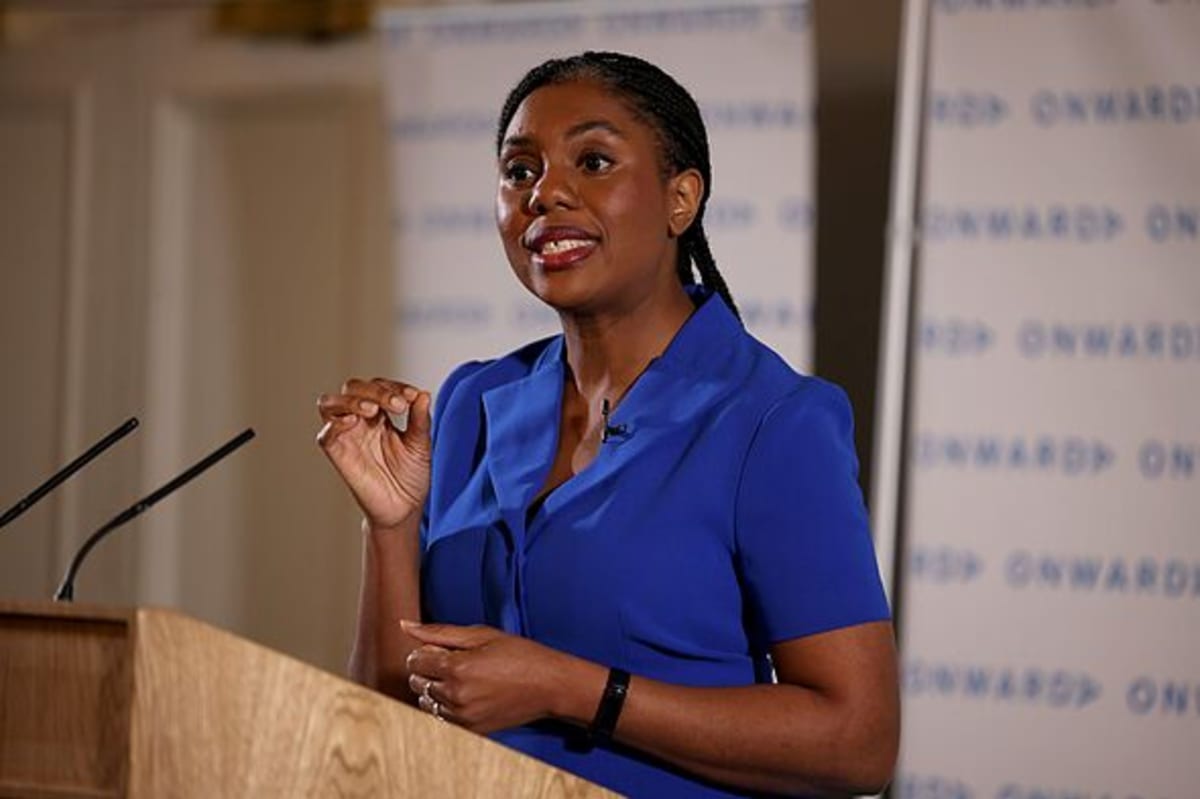
Kemi Badenoch has unveiled a sweeping Conservative plan to slash billions from public benefits amid fierce political clashes over fiscal sustainability and government spending.
According to Aol, the Conservative Party leader outlined a detailed roadmap on Tuesday to achieve a multi-billion pound reduction in the annual welfare budget, building on an initial announcement made at the party conference. Reporting from The Independent noted that the comprehensive savings package targets multiple areas of state support, including disability allowances, child benefits, and migrant eligibility criteria.
Media additions

Party figures insist that the soaring cost of public assistance is actively damaging the national economy. In remarks prepared for an event on Tuesday, Mrs Badenoch argued that the scale of the welfare budget exceeds the entire economic output of Ukraine. The Conservative leader described the current system as destructive, asserting that telling struggling individuals they cannot work fosters a damaging culture of dependency.
"The question of whether we should cut welfare goes to the heart of what sort of country we want to be. It exposes a fundamental difference between Labour and the Conservatives. Labour MPs think cutting welfare is always cruel. They believe the kindest thing you can do for someone who is struggling is to tell them it's okay not to look after themselves. That there's nothing wrong with a life of dependency."
Kemi Badenoch, Conservative Party Leader, via AOL
While maintaining that a safety net must remain in place for individuals who genuinely cannot work, the Conservative leader emphasized human capability. She pointed to examples including double amputees running marathons and individuals with autism leading global technology firms. She cautioned that convincing young people their attention deficit hyperactivity disorder renders them incapable of achievement is more harmful than the condition itself.
The proposed measures target several distinct sectors of public spending to reach the total savings target. Reforming sickness and disability allowances forms the largest single component of the package, while other cuts focus on restricting foreign national access, reinstating previous child benefit caps, altering disability living allowances for children, and combating fraud.
| Proposed Measure | Projected Annual Savings |
|---|---|
| Sickness and disability benefit reforms (ending payments for mild mental health, routine back and joint pain) | £13.7 billion |
| Withdrawing welfare access for foreign nationals without EU settled status | £9.5 billion |
| Reimposing the two-child limit on child benefit | £3.1 billion |
| Replacing cash transfers with support for mild learning and behavioural conditions under disability living allowance | £2.8 billion |
| Tackling welfare fraud and administrative errors | £1 billion |
The wider debate unfolds against a backdrop of mounting fiscal pressure. Official forecasts from the Office for Budget Responsibility project that total welfare expenditure will climb to £431 billion by the financial year 2031-32, driven primarily by health-related and pensioner entitlements. Government officials are also anticipating upcoming findings from independent inquiries into disability benefits and the high proportion of young people classified as NEETs, which are led by Stephen Timms and Alan Milburn respectively.
The opposition Labour Party strongly rejected the Conservative proposals, pointing the finger backward at the previous administration's record in office. A Labour Party spokesperson accused the Tories of hypocrisy, stating that the opposition designed and implemented the benefit system that allowed spending to soar in the first place, citing a record increase in the welfare bill during the Conservatives' final year in government.
Labour highlighted its own ongoing efforts to address the crisis, pointing to initiatives designed to fix face-to-face assessments, provide personalised employment support for sick and disabled individuals, and create opportunities for young people through the Youth Guarantee. Meanwhile, shadow work and pensions secretary Helen Whately defended the Conservative approach by arguing that the current administration has avoided difficult decisions and conceded that spending will not fall under their watch.
What to Watch Next
- Upcoming publication of the Stephen Timms review into disability benefits.
- Independent findings from the Alan Milburn review concerning young people not in employment, education, or training.
- Further parliamentary debates on welfare reform and government spending projections as the 2031-32 fiscal horizon approaches.


