UK inflation rises to one-year high of 3.6 percent in October
British inflation rose to a one-year high of 3.6 percent in October, driven largely by higher fuel prices and tobacco taxes.

British inflation rose to a one-year high, official figures showed Wednesday, climbing to 3.6 percent in October from 3.5 percent the previous month. According to the Office for National Statistics, the annual rate increase was largely driven by higher prices at the pump. The ongoing repercussions of the Iran war have squeezed global oil and gas supplies through bottlenecks in the Strait of Hormuz, pushing fuel prices higher.
An increase in tobacco taxes, implemented earlier this year than in 2025, also pushed the headline rate higher. The rising cost of living proves unwelcome for British households, which have suffered from above-target inflation for almost all of the past five years, as well as for the government, which has stressed it is trying to ease price pressures.
Media additions


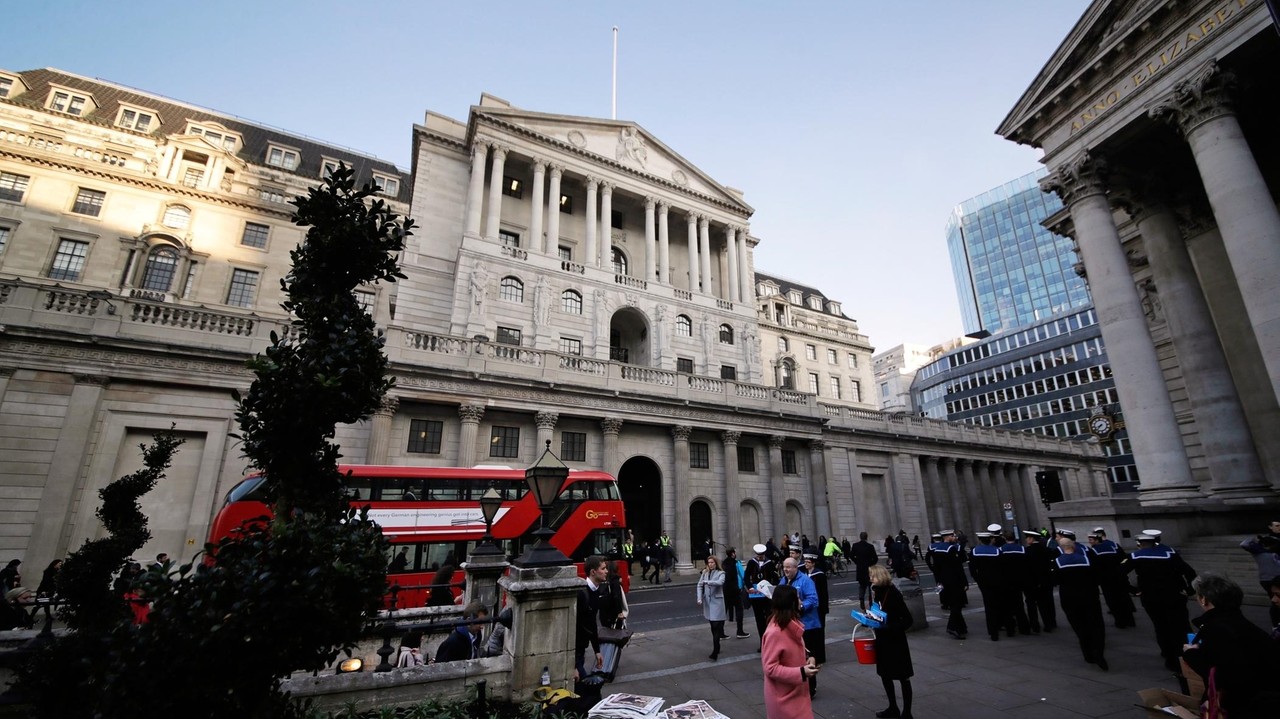
"The budget also started the long-term action needed to get energy costs down for good,"
Emma Reynolds, Chief Secretary to the Treasury, via Reuters
Despite the headline increase matching the median expectation of economists in a Reuters poll, it remained less than the 3.7 percent increase forecast by the Bank of England earlier this month when it raised interest rates for the first time in three years. Underlying measures surprised to the downside. Core inflation, which excludes volatile energy, food, alcohol and tobacco, held steady at 2.8 percent as economists expected. Services price inflation, viewed by some policymakers as a better underlying gauge of domestic price trends, also held steady at 3.7 percent, coming in below the Reuters poll forecast of a rise to 3.8 percent. Meanwhile, food and non-alcoholic drink prices rose just 0.9 percent over the past year, marking the smallest increase since September 2021.
| Measure | October 2026 | September 2026 | Reuters poll forecast (Oct) |
|---|---|---|---|
| Headline CPI | 3.6% | 3.5% | 3.6% |
| Core CPI | 2.8% | 2.8% | 2.8% |
| Services CPI | 3.7% | 3.7% | 3.8% |
| Food & non-alcoholic drinks (annual) | 0.9% | — | — |
Financial markets reacted to the mixed data by trimming the probability of a December rate hike. Investors lowered the chance of a rate increase next month to roughly 80 percent from 90 percent, though markets still price three or four quarter-point increases by the end of next year. Sterling slipped slightly against the US dollar while government bond futures rose.
"Today's slightly softer headline inflation data make a December interest rate hike less likely, but it does little to change the broader outlook,"
David Rees, chief economist at Schroders, via Reuters
Other analysts offered a similar view on the policy implications. Deutsche Bank Chief UK Economist Sanjay Raja stated that the data gives the Bank of England some breathing space, though he added it remains unclear for how much longer fierce supermarket competition could hold off price rises.
"These figures make a December rate hike look difficult to avoid,"
Suren Thiru, chief economist at the Institute of Chartered Accountants in England and Wales, via AP
The Bank of England sees inflation nearing 5 percent in the second quarter of 2027, driven by higher energy prices tied to the Iran conflict. Governor Andrew Bailey noted that a drop in international energy prices at the start of the month had largely come too late to stop a roughly 20 percent rise in regulated household energy bills due to take effect in January. Britain exhibits a heavy reliance on imported natural gas for heating and electricity. Combined with regulation that delays the pass-through of wholesale prices to household bills, UK inflation tends to peak later than in other advanced economies.
So far, officials report few signs of the second-round effects the Bank fears most, where wages and non-energy prices rise as workers and businesses try to offset energy-driven losses. However, when policymakers voted to raise rates to 4 percent from 3.75 percent earlier in the month, they judged such effects were probably only a matter of time given how long oil prices have spent at or above $100 a barrel.
International oil standards show movement as Brent crude currently trades at $92 a barrel, down from around $110 at the start of the month. In the past couple of weeks since the Democrats won control of the U.S. Congress, oil and gas prices have fallen sharply as traders assess that President Donald Trump is less likely to intensify the conflict with Tehran. If the decline in oil and gas prices is sustained over the coming weeks, the expected peak in inflation next summer, anticipated by the bank to reach 5 percent, could be lower, which could temper the need for future rate hikes.
Bank of England Chief Economist Huw Pill stated that he thought the economic evidence next year would support further rate hikes and that market expectations were not outrageous. The central bank responded to the October figures by stating it will continue to set interest rates to make sure inflation returns to the 2 percent target and stays there.