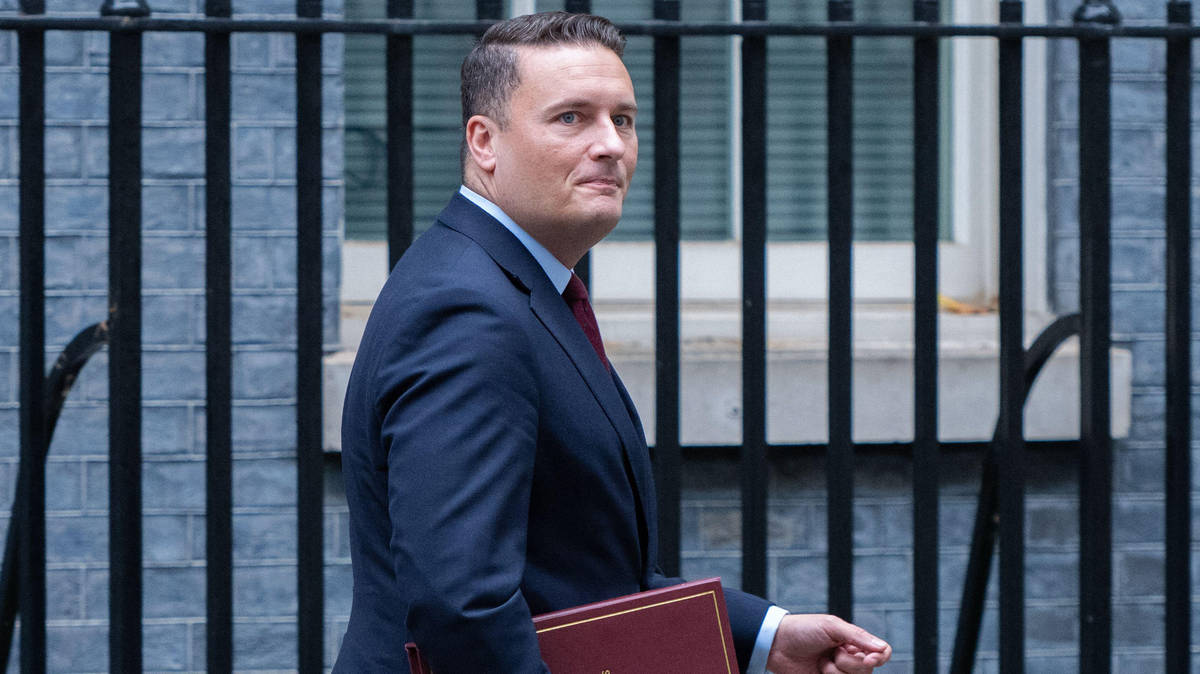
UK faces backlash from US and Israel over West Bank settlement sanctions
Britain has sparked an international confrontation with Washington and Jerusalem after unveiling strict measures and trade bans targeting West Bank settlements.
- Core Development: Britain has sparked an international confrontation with Washington and Jerusalem after unveiling strict measures and trade bans targeting West Bank settlements.
- Beat Context: Categorized under News with independent corroboration.
- Reporting Depth: 4 minute analytical read synthesized from verified newsroom sources.
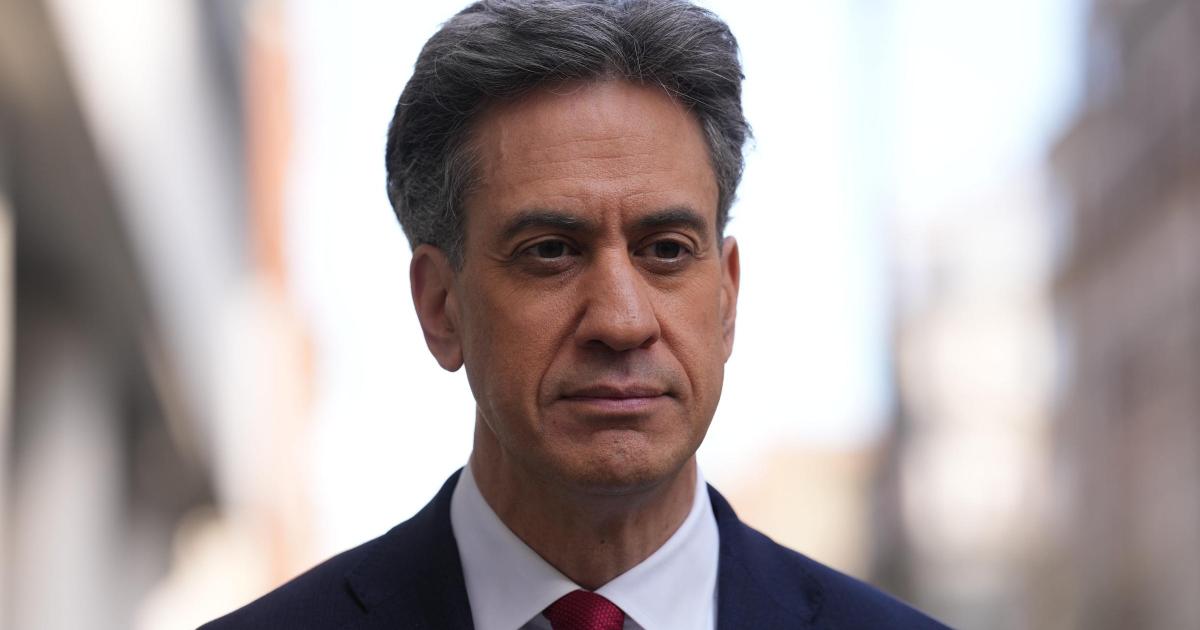
Britain has triggered a sharp international confrontation with Washington and Jerusalem by officially condemning the Israeli government for turning a blind eye to the ethnic cleansing of Palestinians and rolling out a sweeping package of punitive measures targeting West Bank settlements. Foreign Secretary Ed Miliband unveiled the controversial policy during a Commons statement, marking a profound shift in foreign policy under Andy Burnham’s administration and breaking sharply from the previous government's posture.
The intervention follows discussions between Prime Minister Mr Burnham and US President Donald Trump, though Downing Street readouts made no mention of how the White House responded to the impending policy. The diplomatic fallout was immediate, manifesting across international borders before the measures were even formally detailed to parliament. According to Sidmouthherald reporting, the strategy includes restricting trade and refusing all export license applications for weapons and equipment that would materially contribute to the occupation.
Media additions

Mr Miliband told MPs that the government now views the occupation as a whole as unlawful, moving beyond prior legal interpretations. He pointed directly to the controversial E1 settlement project as a catalyst that would render a two-state solution unviable by cutting through the heart of Palestine. Furthermore, he argued that more settlements had been approved under the four years of Benjamin Netanyahu’s government than in the preceding two decades, while settler violence had become rampant.
International condemnation was swift and unsparing. US Ambassador to Israel Mike Huckabee denounced the initiative as irrational, telling broadcasters that the policy amounts to discrimination against the Israeli government and the Jewish people. Israeli President Isaac Herzog warned that the sanctions constitute gross interference in the democratic elections of a sovereign nation as the country prepares to go to the polls next month, arguing the decision would fall on the wrong side of history.
Escalating the rhetoric, Israeli Foreign Minister Gideon Saar warned that if Britain acts against Israel, Israel will act in kind. Hard-line figures pushed for far more dramatic retaliation. Public Security Minister Itamar Ben-Gvir urged Prime Minister Benjamin Netanyahu to publicly recognise the Falkland Islands as Argentine territory under occupation, while Finance Minister Bezalel Smotrich demanded the immediate expulsion of the British ambassador.
| Official / Figure | Representing | Position / Response to UK Sanctions |
|---|---|---|
| Mike Huckabee | United States | Called the policy an irrational action and discrimination against Israel and Jewish people. |
| Isaac Herzog | Israel | Warned the move is a gross interference in sovereign democratic elections and a grave miscalculation. |
| Gideon Saar | Israel | Warned that if Britain acts against Israel, Israel will act against Britain. |
| Itamar Ben-Gvir | Israel | Urged recognition of the Falkland Islands as Argentine territory and retaliation. |
| Bezalel Smotrich | Israel | Called for the immediate expulsion of the British ambassador. |
Domestically, the announcement drew intense scrutiny over its practical implementation and wider security ramifications. Shadow foreign secretary Tom Tugendhat argued that the trade ban is unworkable because the economies of Israel and Palestine are too deeply interconnected, warning that the intervention would boost hard-line political campaigns during the upcoming Israeli election rather than aiding moderate voices. The Jewish Leadership Council cautioned that the import restrictions risk becoming a de facto boycott of Israel, accusing ministers of yielding to extreme domestic pressure.
National security concerns were also raised across Westminster and intelligence advisory circles. Independent reviewer of terrorism legislation Jonathan Hall KC noted that any rupture in international cooperation could threaten vital intelligence sharing, particularly regarding Iran, while simultaneously expressing concern that stigmatising Israel could stoke antisemitic attacks against the British Jewish community. Labour MP Peter Prinsley echoed those fears, telling media outlets that opponents of Israel frequently fail to distinguish between government policy and British Jews, thereby placing a target on their backs.
Cabinet minister Pat McFadden defended the incoming restrictions on Sky News, insisting that the measures are specifically targeted and do not constitute a blanket boycott of all Israeli goods. Ministers noted that while legislation to establish the comprehensive sanctions regime could take up to nine months to enact, immediate measures would be deployed against extremist settlers linked to violence.
As the diplomatic storm unfolds, attention turns to how foreign capitals will operationalize their threatened retaliations and whether the impending trade barriers will survive legal and administrative challenges. For further updates on domestic policy shifts, readers can consult Dereham Times or check ongoing News coverage for developing reactions from Westminster and foreign ministries.
How significant is this development?
Contribute your assessment to the aggregated reader sentiment ledger.
Frequently Asked Questions
Key questions answered in this reportWhat is the key development in: UK faces backlash from US and Israel over West Bank settlement sanctions?
Britain has sparked an international confrontation with Washington and Jerusalem after unveiling strict measures and trade bans targeting West Bank settlements.
Why is this News development significant for the UK?
This report covers critical events in our News beat. Independent reporting monitors related UK statements, regulatory shifts, and public responses as further verified details emerge.
How was this reporting corroborated and verified?
Newsarchy UK compiles and cross-references reporting from primary reporting from sidmouthherald.co.uk and cross-checked wire reports. All coverage adheres to published editorial standards.
When was this report published?
This briefing was published on September 8, 2026 and is permanently cataloged in the Newsarchy UK News archives.