Angela Constance letter sparks anger among NHS chiefs over peer policing
A confidential directive from Health Secretary Angela Constance has triggered anger among NHS chiefs who argue they are being forced to act as peer regulators.

- Core Development: A confidential directive from Health Secretary Angela Constance has triggered anger among NHS chiefs who argue they are being forced to act as peer regulators.
- Beat Context: Categorized under NHS with independent corroboration.
- Reporting Depth: 3 minute analytical read synthesized from verified newsroom sources.
A confidential directive issued by Health Secretary Angela Constance has ignited fierce backlash among senior health figures, who claim the government is improperly attempting to enlist top executives to police their peers over spiralling waiting lists. The controversy erupts as acute care services grapple with mounting pressures, including thousands of patients facing multi-year delays for routine procedures across boards.
The secret missive, dispatched on September 4, specifically targeted Caroline Hiscox, chief executive of NHS Lothian, and Jann Gardner, chief executive of NHS Greater Glasgow and Clyde. According to reporting by The Herald, Ms Constance expressed significant concern regarding deteriorating performance across NHS Tayside, NHS Highland, and NHS Ayrshire and Arran regarding waits exceeding one year. She instructed Professors Hiscox and Gardner—who lead Sub-National Planning and Delivery Committees—to establish a formal performance and support framework for struggling boards, raising eyebrows over accountability boundaries.
Media additions
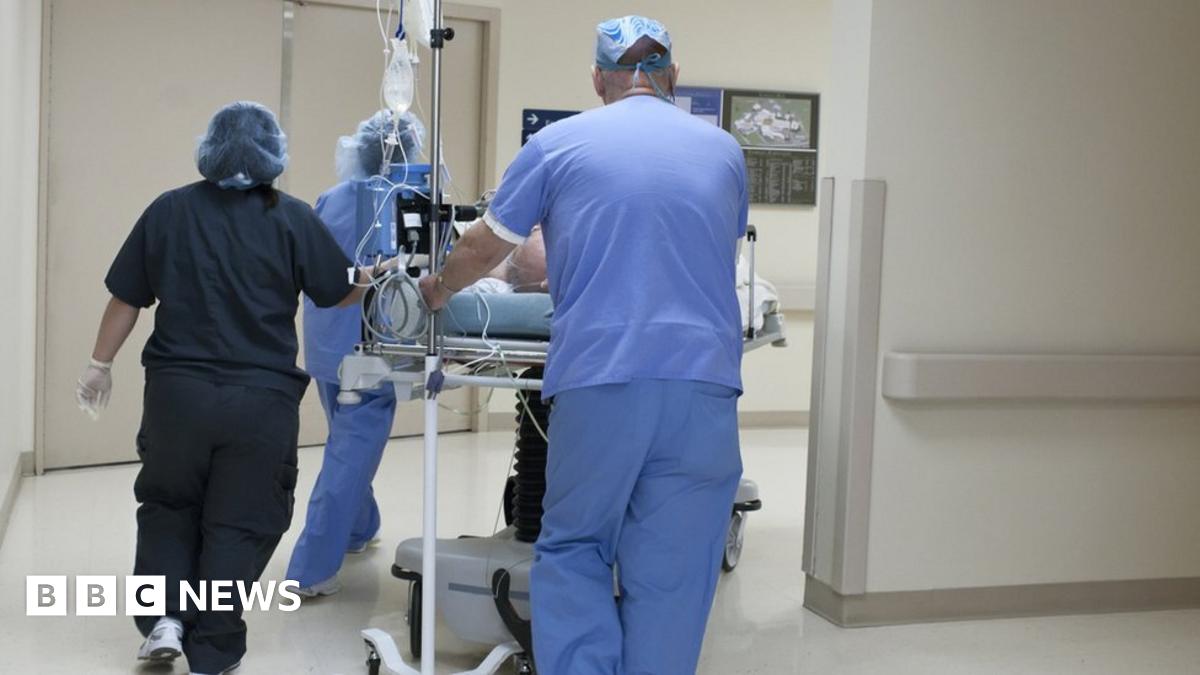
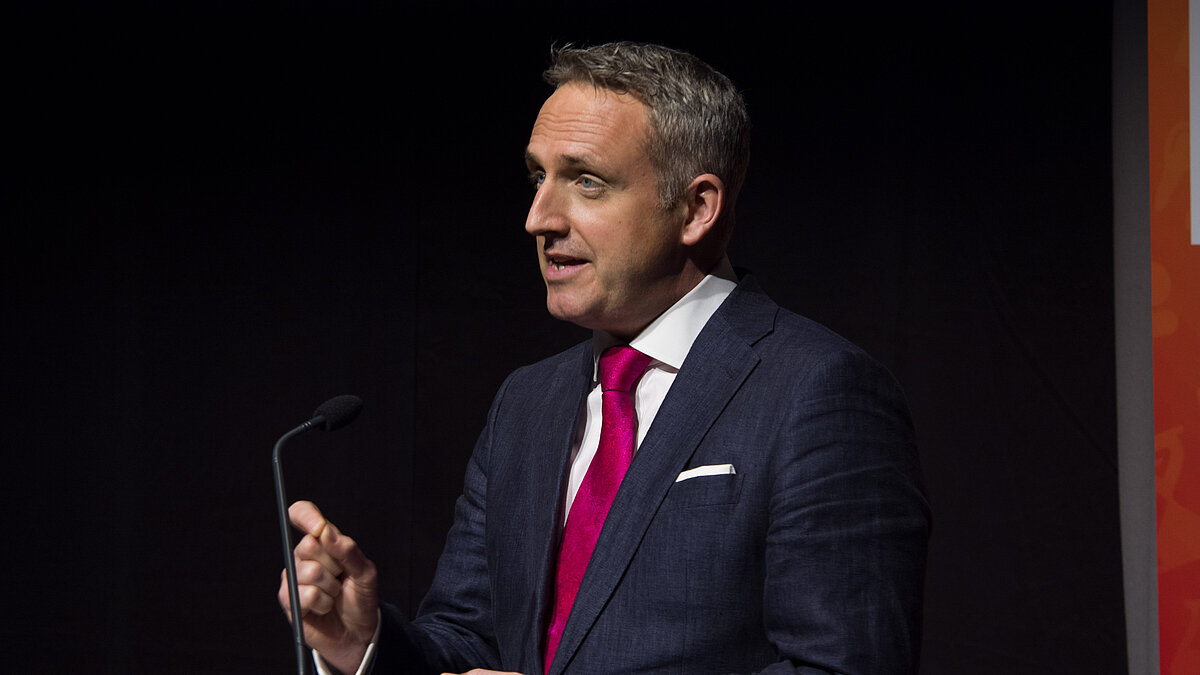

Critics argue that pushing chief executives to hold their counterparts accountable exceeds their designated remit. Insiders noted that the committees lack statutory guidance or legal authority to enforce compliance over autonomous health boards. Fiona Davies, chief executive of NHS Highland, explicitly reminded stakeholders that her organisation remains a statutory body with unchanged responsibilities amid wider government plans to slash territorial boards from 14 down to two.
The administrative dispute plays out against a backdrop of severe clinical delays. Official figures highlighted by BBC News previously showed thousands waiting over two years for hospital treatment, while freedom of information requests uncovered by Scottish Liberal Democrats revealed extreme outliers, such as a 1,253-day wait for cataract surgery in NHS Grampian. Orthopaedics, general surgery, and dermatology remain among the most congested specialties.
| Health Board / Metric | Reported Wait or Patient Figure | Specialty or Context |
|---|---|---|
| NHS Grampian | 1,253 days | Longest wait for cataract surgery |
| NHS Tayside | 2,508 patients | Waiting over a year for first outpatient appointment |
| NHS Greater Glasgow and Clyde | 345 patients | Moved to private sector for hip and knee replacements in a single year |
| National Data | 6,810 additional people | Joined dermatology outpatient waiting lists between 2023 and 2024 |
Financial strain is driving desperate patients toward alternative solutions. Inverclyde MP Martin McCluskey slammed the Scottish Government after Greenock Telegraph revealed that over 1,000 patients in the Greater Glasgow and Clyde area had been removed from waiting lists after funding their own operations privately, with more than 200 dying while waiting for hip or knee replacements since 2020. Labour and Conservative representatives condemned the executive oversight as mismanagement, while government spokespersons insisted that additional funding and surgical investments are beginning to yield results.
Amid structural friction, technological interventions are being deployed to alleviate pressure on primary and secondary care interfaces. As reported by Healthandcare, a new digital dermatology pathway allows GPs to capture and securely share skin condition images via a mobile app for rapid specialist triage. Developed through the Accelerated National Innovation Adoption pathway, the tool is expanding nationally to streamline referrals and reduce outpatient queues.
Further developments on the disputed peer-policing framework and the proposed health board structural reforms are expected as trade unions and health boards press ministers for formal consultation clarity.
How significant is this development?
Contribute your assessment to the aggregated reader sentiment ledger.
Frequently Asked Questions
Key questions answered in this reportWhat is the key development in: Angela Constance letter sparks anger among NHS chiefs over peer policing?
A confidential directive from Health Secretary Angela Constance has triggered anger among NHS chiefs who argue they are being forced to act as peer regulators.
Why is this NHS development significant for the UK?
This report covers critical events in our NHS beat. Independent reporting monitors related UK statements, regulatory shifts, and public responses as further verified details emerge.
How was this reporting corroborated and verified?
Newsarchy UK compiles and cross-references reporting from primary reporting from HealthandCare.scot and cross-checked wire reports. All coverage adheres to published editorial standards.
When was this report published?
This briefing was published on November 7, 2026 and is permanently cataloged in the Newsarchy UK NHS archives.


