Burnham pledges accelerated military aid to Zelenskyy at Downing Street
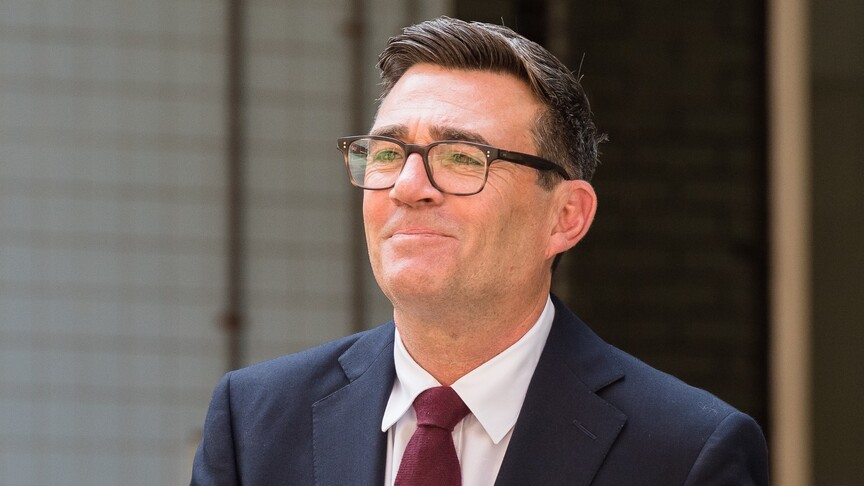
Prime Minister Andy Burnham has welcomed Ukrainian President Volodymyr Zelenskyy to Downing Street, pledging expedited military aid and new sanctions against Moscow.
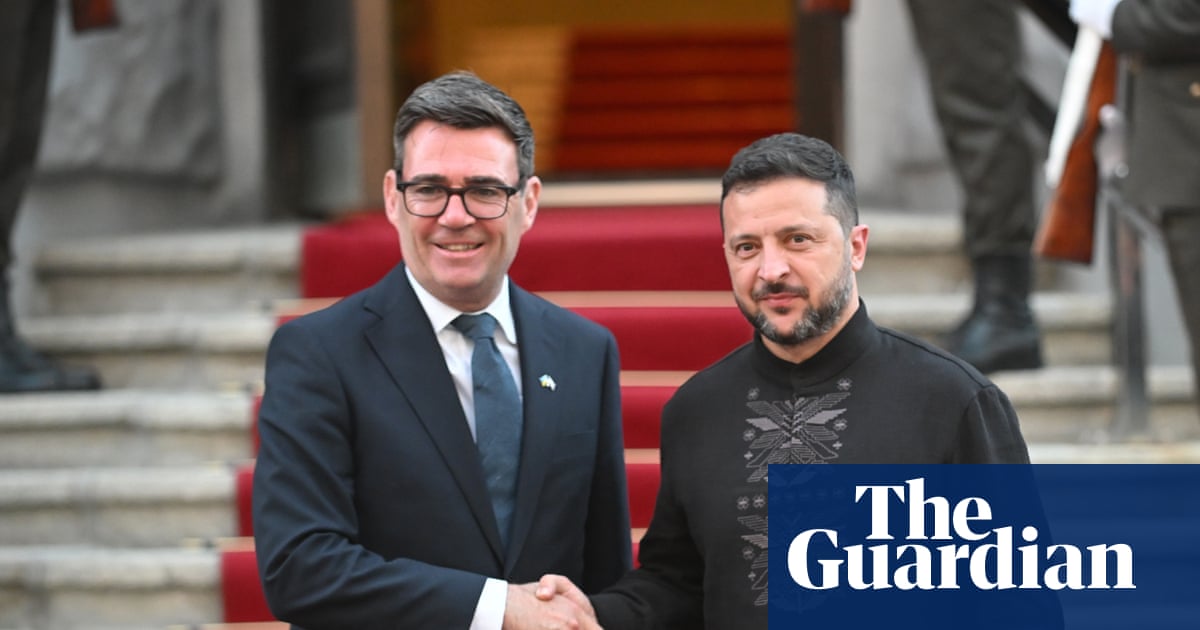
- Core Development: Prime Minister Andy Burnham has welcomed Ukrainian President Volodymyr Zelenskyy to Downing Street, pledging expedited military aid and new sanctions against Moscow.
- Beat Context: Categorized under NHS with independent corroboration.
- Reporting Depth: 3 minute analytical read synthesized from verified newsroom sources.
Prime Minister Andy Burnham has welcomed Ukrainian President Volodymyr Zelenskyy to Downing Street, using the high-profile visit to pledge accelerated military aid and fresh sanctions against Moscow just days after a controversial fuel agreement brokered by Washington according to V2 Radio reports. The diplomatic engagement is designed to signal unshakeable British backing for Kyiv at a time of mounting transatlantic friction, following US President Donald Trump’s decision to ease trade restrictions on Russian diesel and his subsequent public suggestion that the Ukrainian leadership should be replaced.
The discussions at Number 10 follow a turbulent period in international diplomacy. Foreign Secretary Ed Miliband acknowledged a very difficult few days in relations with Washington after the White House moved to permit the import of Russian diesel ahead of domestic midterm elections influenced by rising fuel prices. The move drew sharp condemnation from a bipartisan group of senators who denounced the policy shift as a betrayal of international allies. Tensions were further exacerbated when President Zelenskyy reported receiving no advanced warning from Western partners regarding consecutive Russian ballistic missile strikes, including one that hit a major power plant in Kyiv, prompting fears over the continuity of allied intelligence sharing.
Media additions

Despite these strains, The Guardian notes that Downing Street has moved quickly to solidify ties through tangible military commitments. Part of an ongoing £1.6bn package is being fast-tracked to deliver thousands of lightweight multirole missiles to Ukrainian forces. These munitions have proved vital in defending civilian and energy infrastructure against a new generation of high-flying, jet-powered Russian drones that are significantly harder to intercept than older propeller-driven models. Parallel economic measures are also underway, with Chancellor John Healey pressing international counterparts at the International Monetary Fund summit in Bangkok to enact a strict global ban on Russian liquefied natural gas exports.
The unfolding diplomatic alignment builds upon earlier engagements between the two leaders reported by Al Jazeera, which included a visit to a naval base where British military personnel train Ukrainian forces in Black Sea mine counter-measures. During those initial meetings, the UK administration committed to sharing the intellectual property for its tablet-sized "Stone Cloak" electronic warfare jammers, allowing Ukrainian forces to manufacture the detection-blocking technology domestically at scale. British defense officials confirmed that this technology is also slated for integration into future UK long-range weaponry, including the low-cost cruise missile initiative known as Project Brakestop.
| Support Measure | Details / Scope | Strategic Objective |
|---|---|---|
| Lightweight Multirole Missiles (LMMs) | Accelerated delivery schedule from an existing £1.6bn package exceeding 5,000 units. | Countering advanced, jet-powered Russian drones targeting civilian areas. |
| Stone Cloak Electronic Warfare | Transfer of intellectual property for tablet-sized jamming devices. | Enabling domestic scale production to blind Russian air defences and drones. |
| Sanctions and Fiscal Pressure | Lobbying international partners for a global ban on Russian liquefied natural gas (LNG). | Curtailing revenue streams funding the Kremlin's military operations. |
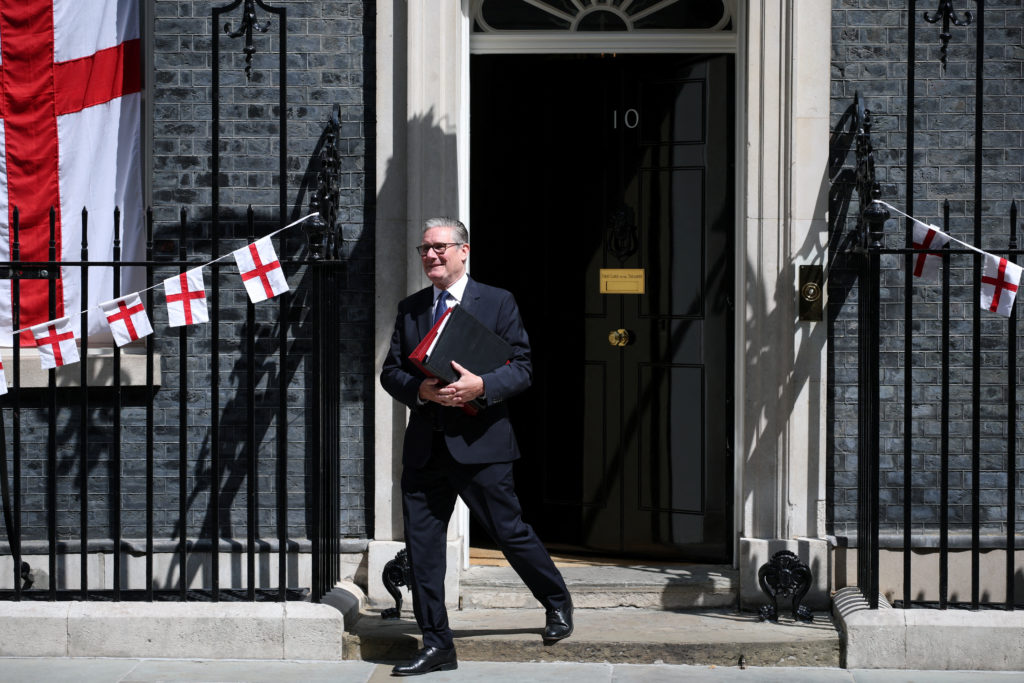
The contrast between London and Washington’s current postures highlights a broader realignment in European security detailed by HuffPost UK. While the White House has pursued controversial energy accommodations and advanced a disputed narrative regarding peace negotiations, British ministers have insisted that European security requires absolute steadfastness. The BBC highlights that total UK funding for Ukraine's defense efforts has reached £25bn since the full-scale invasion began, maintaining an unbroken continuity of state policy across successive administrations following the departure of former leader Keir Starmer.
What to Watch Next
- Ministers are expected to formally table additional packages encompassing further sanctions, military equipment, and fiscal assistance in the coming weeks.
- Chancellor John Healey will continue multilateral lobbying at global economic summits to secure broad international adoption of the proposed liquefied natural gas embargo.
- Prime Minister Burnham has indicated an intention to travel to Kyiv for a face-to-face visit in the near future to oversee bilateral defense cooperation on the ground.
How significant is this development?
Contribute your assessment to the aggregated reader sentiment ledger.
Frequently Asked Questions
Key questions answered in this reportWhat is the key development in: Burnham pledges accelerated military aid to Zelenskyy at Downing Street?
Prime Minister Andy Burnham has welcomed Ukrainian President Volodymyr Zelenskyy to Downing Street, pledging expedited military aid and new sanctions against Moscow.
Why is this NHS development significant for the UK?
This report covers critical events in our NHS beat. Independent reporting monitors related UK statements, regulatory shifts, and public responses as further verified details emerge.
How was this reporting corroborated and verified?
Newsarchy UK compiles and cross-references reporting from primary reporting from The Guardian and cross-checked wire reports. All coverage adheres to published editorial standards.
When was this report published?
This briefing was published on October 14, 2026 and is permanently cataloged in the Newsarchy UK NHS archives.